


Gifting Made Simple
Give the Gift of ChoiceClick below to purchase a Prairie Mall eGift Card that can be used at participating retailers at Prairie Mall.Buy Gift CardHome
Nanotechnologies and Nanomaterials Applied to Chemical Sensors Biosensors: Applications the Environment, Medicine Health
Coles
Loading Inventory...
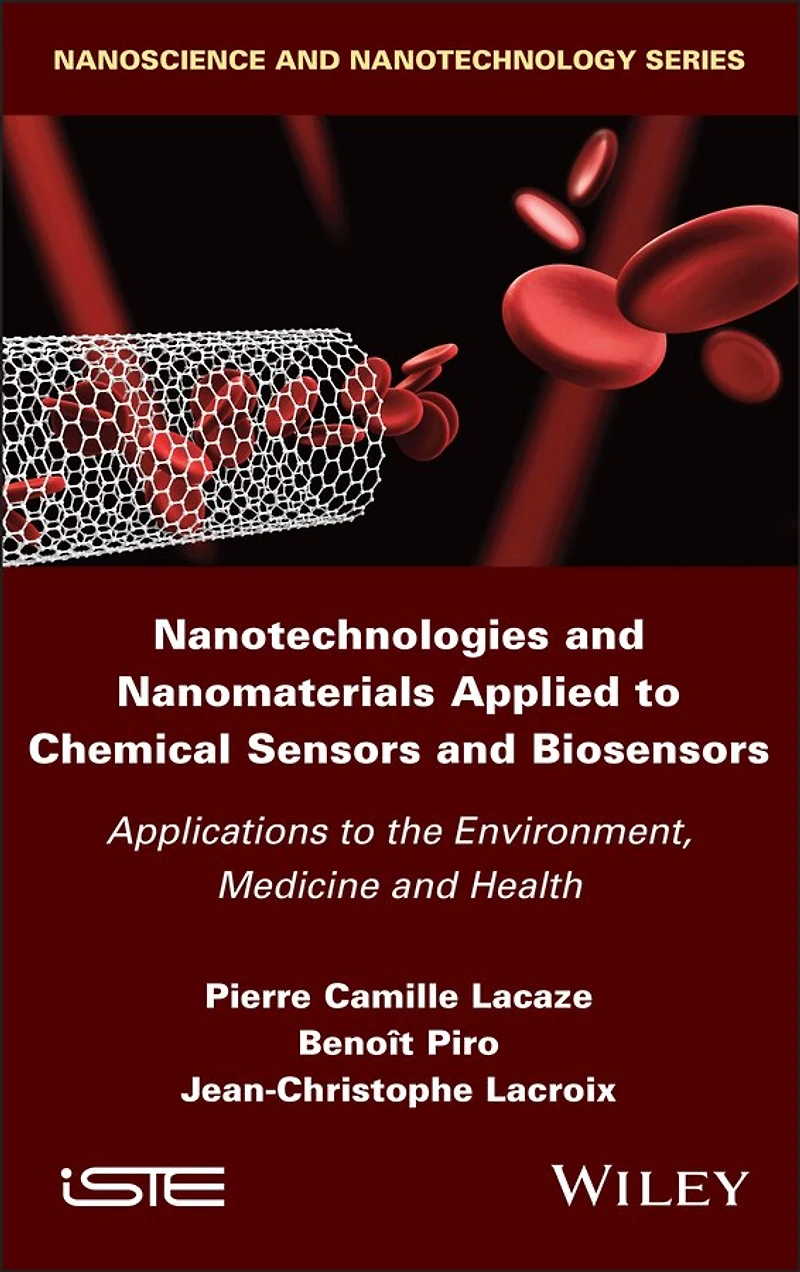
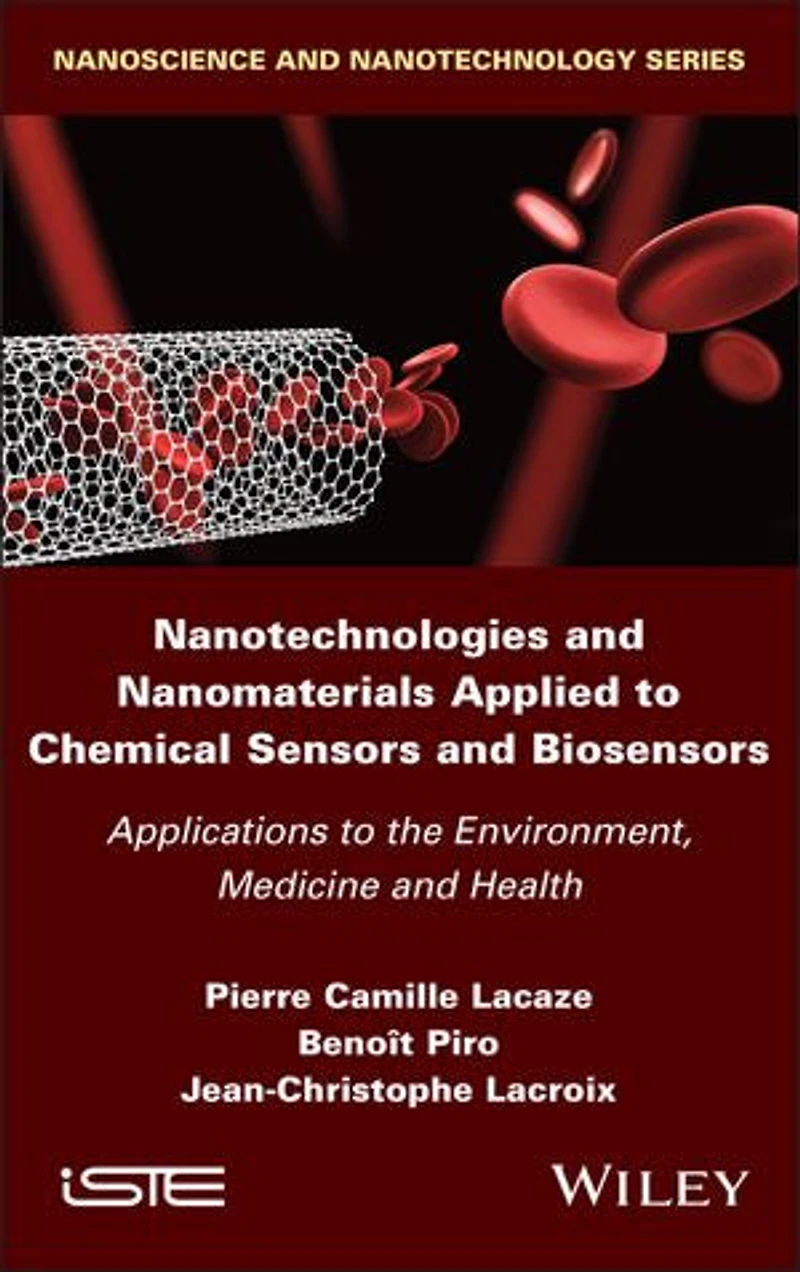
Nanotechnologies and Nanomaterials Applied to Chemical Sensors Biosensors: Applications the Environment, Medicine Health in Grande Prairie, AB
Current price: $235.00
Coles
Nanotechnologies and Nanomaterials Applied to Chemical Sensors Biosensors: Applications the Environment, Medicine Health in Grande Prairie, AB
Current price: $235.00
Loading Inventory...
Size: Hardcover
*Product information and pricing may vary - to confirm current pricing, availability, shipping, and return information please contact Coles. In the event of a pricing discrepancy, the retailer's price will apply.
The key social issues of health, medicine, the environment, food and safety cannot be addressed without the support of chemical sensors and biosensors, whose performance is constantly improving in terms of reliability and cost, particularly in the production of autonomous devices connected to the Internet.
Obtaining high-intensity transduction signals arising from the interaction of an analyte and a sensor, enabling the identification and dosage of a given compound, requires the selection of suitable physical measurement methods and the creation of structures that react specifically to different types of analyte.
Nanotechnologies and Nanomaterials Applied to Chemical Sensors and Biosensors details recent advances in the field of sensor design using carbon-based nanomaterials (graphene, carbon nanotubes, carbon quantum dots, etc.) and inorganic nanomaterials (metallic nanoparticles, nanocrystals, transition metal dichalcogenides, etc.), as well as a variety of physical sensing methods (electrochemical, piezoelectric, electromagnetic, optic, optoelectronic, etc.).
The key social issues of health, medicine, the environment, food and safety cannot be addressed without the support of chemical sensors and biosensors, whose performance is constantly improving in terms of reliability and cost, particularly in the production of autonomous devices connected to the Internet.
Obtaining high-intensity transduction signals arising from the interaction of an analyte and a sensor, enabling the identification and dosage of a given compound, requires the selection of suitable physical measurement methods and the creation of structures that react specifically to different types of analyte.
Nanotechnologies and Nanomaterials Applied to Chemical Sensors and Biosensors details recent advances in the field of sensor design using carbon-based nanomaterials (graphene, carbon nanotubes, carbon quantum dots, etc.) and inorganic nanomaterials (metallic nanoparticles, nanocrystals, transition metal dichalcogenides, etc.), as well as a variety of physical sensing methods (electrochemical, piezoelectric, electromagnetic, optic, optoelectronic, etc.).
You May Also Like















Find at Prairie Mall in Grande Prairie, AB
Visit at Prairie Mall in Grande Prairie, AB