


Gifting Made Simple
Give the Gift of ChoiceClick below to purchase a Prairie Mall eGift Card that can be used at participating retailers at Prairie Mall.Buy Gift CardHome
N-Heterocyclic Carbenes: From Laboratory Curiosities to Efficient Synthetic Tools
Coles
Loading Inventory...
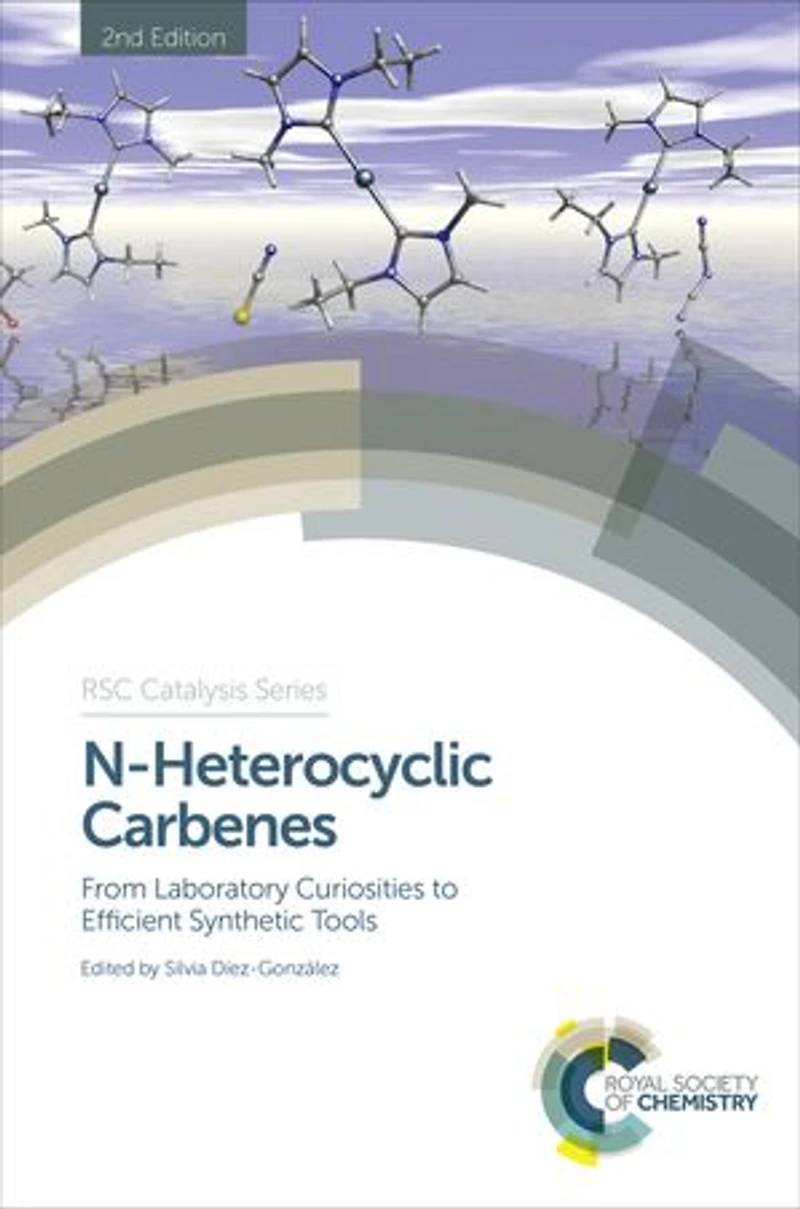
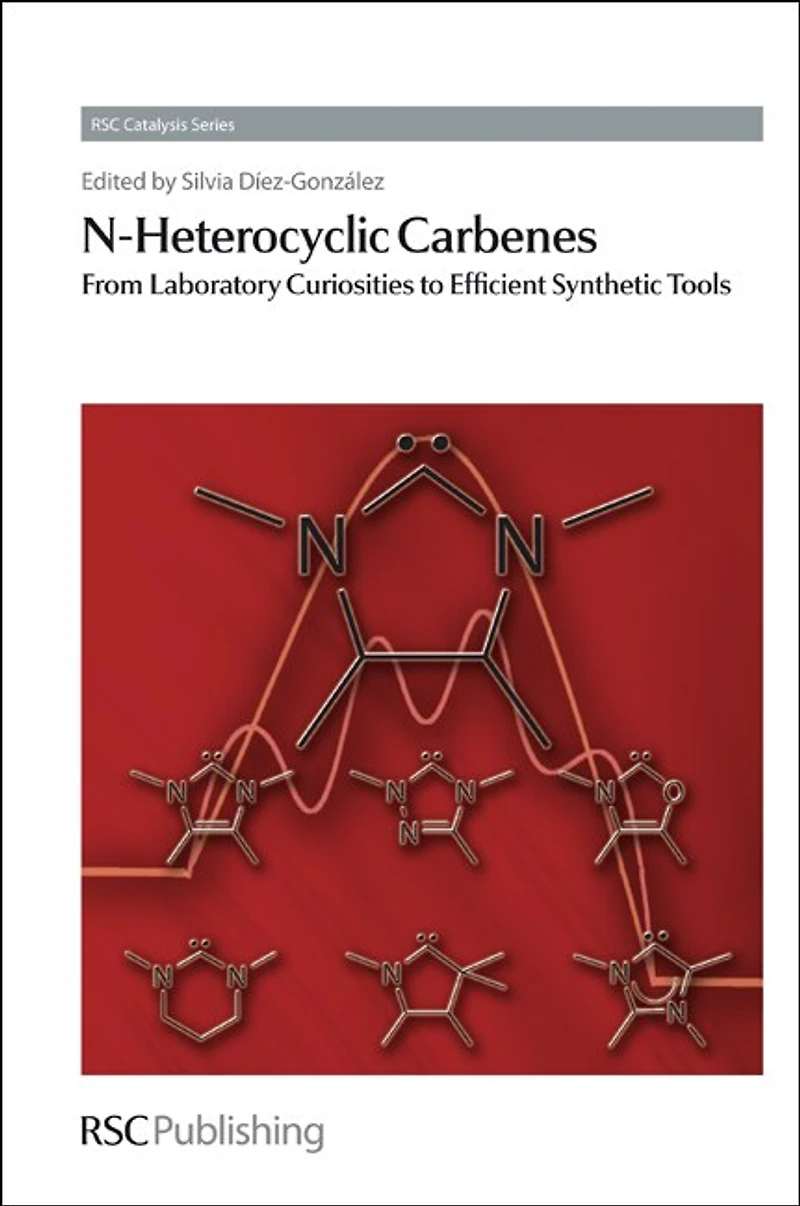
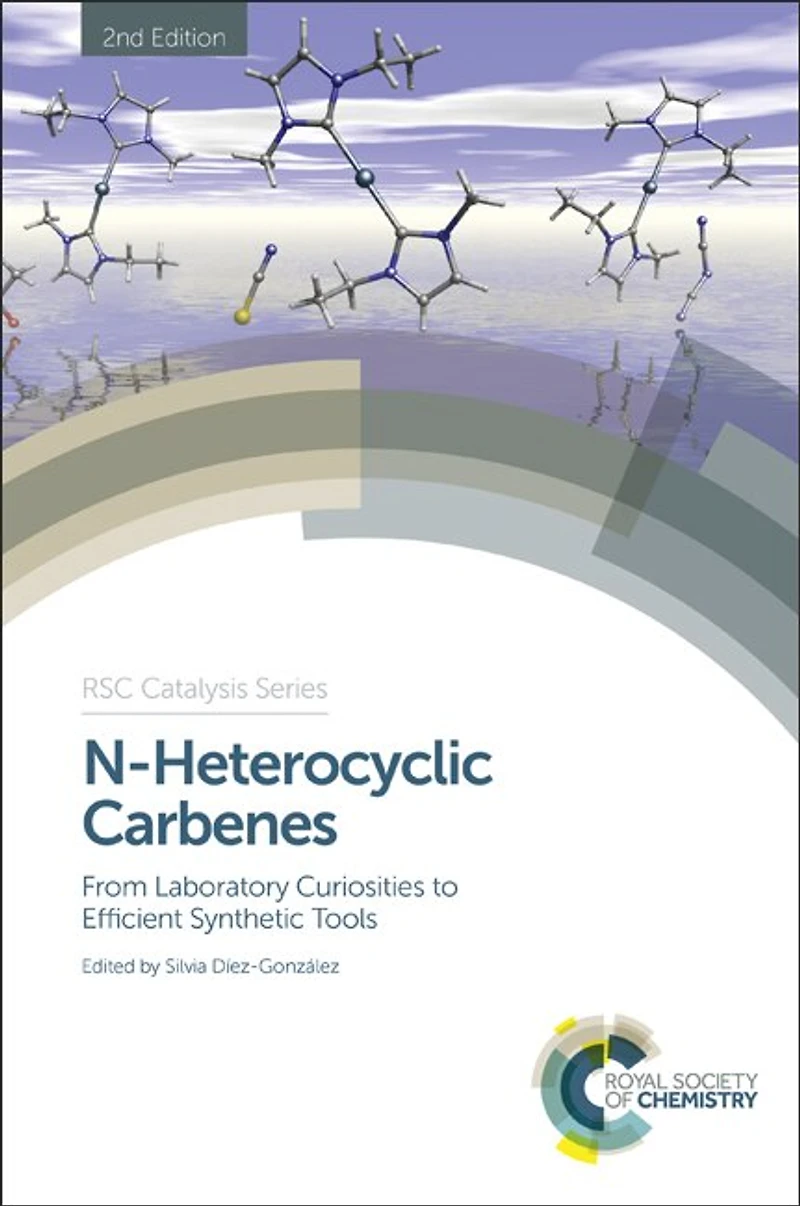
N-Heterocyclic Carbenes: From Laboratory Curiosities to Efficient Synthetic Tools in Grande Prairie, AB
Current price: $4,500.00
Coles
N-Heterocyclic Carbenes: From Laboratory Curiosities to Efficient Synthetic Tools in Grande Prairie, AB
Current price: $4,500.00
Loading Inventory...
Size: Boxed Set
*Product information and pricing may vary - to confirm current pricing, availability, shipping, and return information please contact Coles. In the event of a pricing discrepancy, the retailer's price will apply.
In less than 20 years N-heterocyclic carbenes (NHCs) have become well-established ancillary ligands for the preparation of transition metal-based catalysts. This is mainly due to the fact that NHCs tend to bind strongly to metal centres, avoiding the need of excess ligand in catalytic reactions. Also, NHC‒metal complexes are often insensitive to air and moisture, and have proven remarkably resistant to oxidation. This book showcases the wide variety of applications of NHCs in different chemistry fields beyond being simple phosphine mimics. This second edition has been updated throughout, and now includes a new chapter on NHC‒main group element complexes. It covers the synthesis of NHC ligands and their corresponding metal complexes, as well as their bonding and stereoelectronic properties and applications in catalysis. This is complemented by related topics such as organocatalysis and biologically active complexes. Written for organic and inorganic chemists, this book is ideal for postgraduates, researchers and industrialists.
In less than 20 years N-heterocyclic carbenes (NHCs) have become well-established ancillary ligands for the preparation of transition metal-based catalysts. This is mainly due to the fact that NHCs tend to bind strongly to metal centres, avoiding the need of excess ligand in catalytic reactions. Also, NHC‒metal complexes are often insensitive to air and moisture, and have proven remarkably resistant to oxidation. This book showcases the wide variety of applications of NHCs in different chemistry fields beyond being simple phosphine mimics. This second edition has been updated throughout, and now includes a new chapter on NHC‒main group element complexes. It covers the synthesis of NHC ligands and their corresponding metal complexes, as well as their bonding and stereoelectronic properties and applications in catalysis. This is complemented by related topics such as organocatalysis and biologically active complexes. Written for organic and inorganic chemists, this book is ideal for postgraduates, researchers and industrialists.
You May Also Like














Find at Prairie Mall in Grande Prairie, AB
Visit at Prairie Mall in Grande Prairie, AB