


Gifting Made Simple
Give the Gift of ChoiceClick below to purchase a Prairie Mall eGift Card that can be used at participating retailers at Prairie Mall.Buy Gift CardHome
Mycoremediation and Environmental Sustainability: Volume 2
Coles
Loading Inventory...
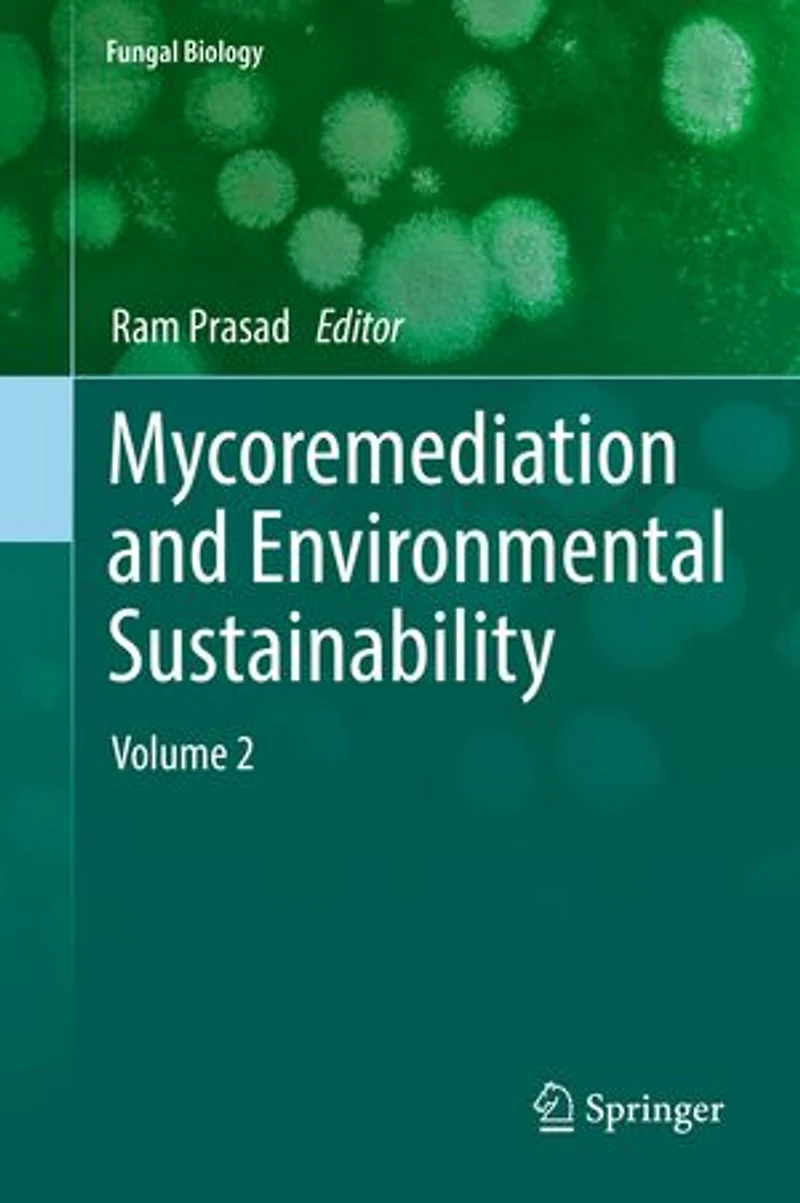
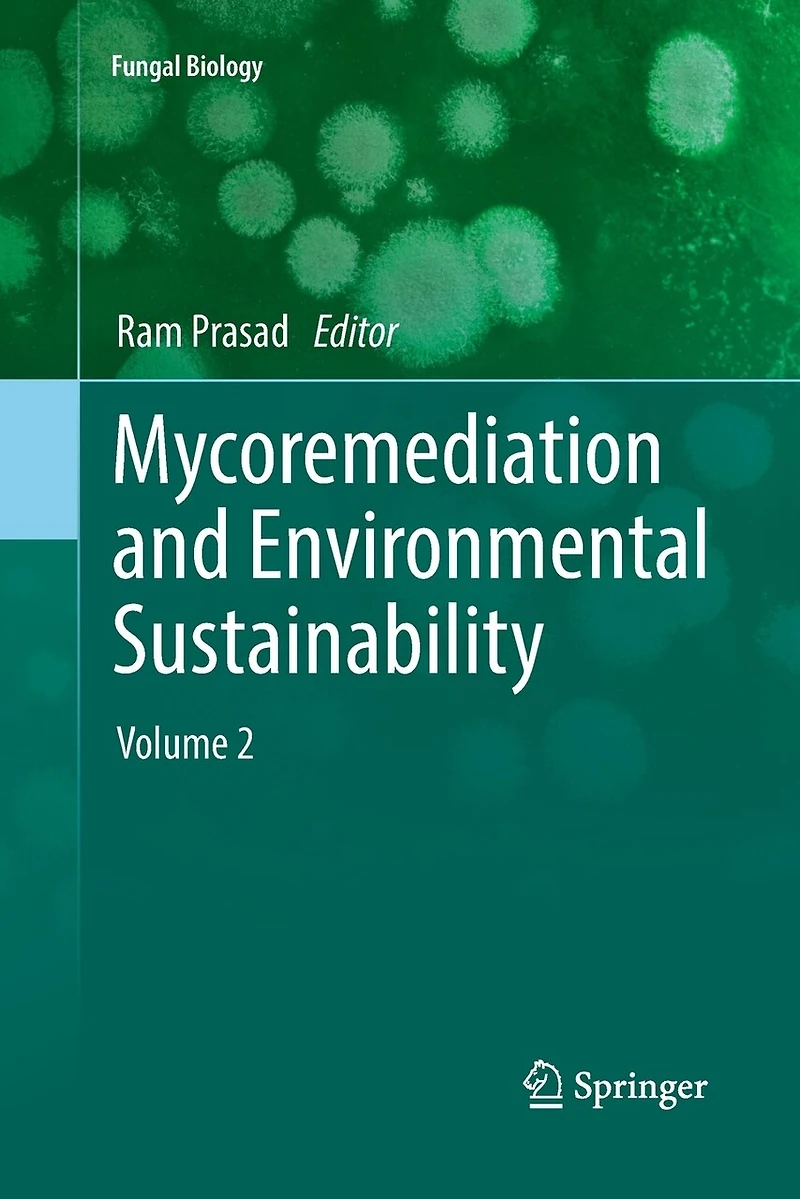
Mycoremediation and Environmental Sustainability: Volume 2 in Grande Prairie, AB
Current price: $180.69
Original price: $225.75
Coles
Mycoremediation and Environmental Sustainability: Volume 2 in Grande Prairie, AB
Current price: $180.69
Original price: $225.75
Loading Inventory...
Size: Kobo eBook
*Product information and pricing may vary - to confirm current pricing, availability, shipping, and return information please contact Coles. In the event of a pricing discrepancy, the retailer's price will apply.
Bioremediation is the use of microorganisms' metabolism to degrade waste contaminants (sewage, domestic, and industrial effluents) into non-toxic or less toxic materials by natural biological processes. Volume 2 offers new discussion of remediation through fungi-or mycoremediation-and its multifarious possibilities in applied remediation engineering and the future of environmental sustainability. Fungi have the biochemical and ecological capability to degrade environmental organic chemicals and to decrease the risk associated with metals, semi-metals, noble metals, and radionuclides, either by chemical modification or by manipulating chemical bioavailability. Additional expanded texts shows the capability of these fungi to form extended mycelia networks, the low specificity of their catabolic enzymes, and their use against pollutants as a growth substrate, making these fungi well suited for bioremediation processes. Their mycelia exhibit the robustness of adapting to highly limiting environmental conditions often experienced in the presence of persistent pollutants, which makes them more useful compared to other microbes. Despite dominating the living biomass in soil and being abundant in aquatic ecosystems, however, fungi have not been exploited for the bioremediation of such environments until this added Volume 2. This book covers the various types of fungi and associated fungal processes used to clean up waste and wastewaters in contaminated environments and discusses future potential applications.
Bioremediation is the use of microorganisms' metabolism to degrade waste contaminants (sewage, domestic, and industrial effluents) into non-toxic or less toxic materials by natural biological processes. Volume 2 offers new discussion of remediation through fungi-or mycoremediation-and its multifarious possibilities in applied remediation engineering and the future of environmental sustainability. Fungi have the biochemical and ecological capability to degrade environmental organic chemicals and to decrease the risk associated with metals, semi-metals, noble metals, and radionuclides, either by chemical modification or by manipulating chemical bioavailability. Additional expanded texts shows the capability of these fungi to form extended mycelia networks, the low specificity of their catabolic enzymes, and their use against pollutants as a growth substrate, making these fungi well suited for bioremediation processes. Their mycelia exhibit the robustness of adapting to highly limiting environmental conditions often experienced in the presence of persistent pollutants, which makes them more useful compared to other microbes. Despite dominating the living biomass in soil and being abundant in aquatic ecosystems, however, fungi have not been exploited for the bioremediation of such environments until this added Volume 2. This book covers the various types of fungi and associated fungal processes used to clean up waste and wastewaters in contaminated environments and discusses future potential applications.
You May Also Like








Find at Prairie Mall in Grande Prairie, AB
Visit at Prairie Mall in Grande Prairie, AB