


Gifting Made Simple
Give the Gift of ChoiceClick below to purchase a Prairie Mall eGift Card that can be used at participating retailers at Prairie Mall.Buy Gift CardHome
Municipal Solid Waste Landfill Technology Japan
Coles
Loading Inventory...
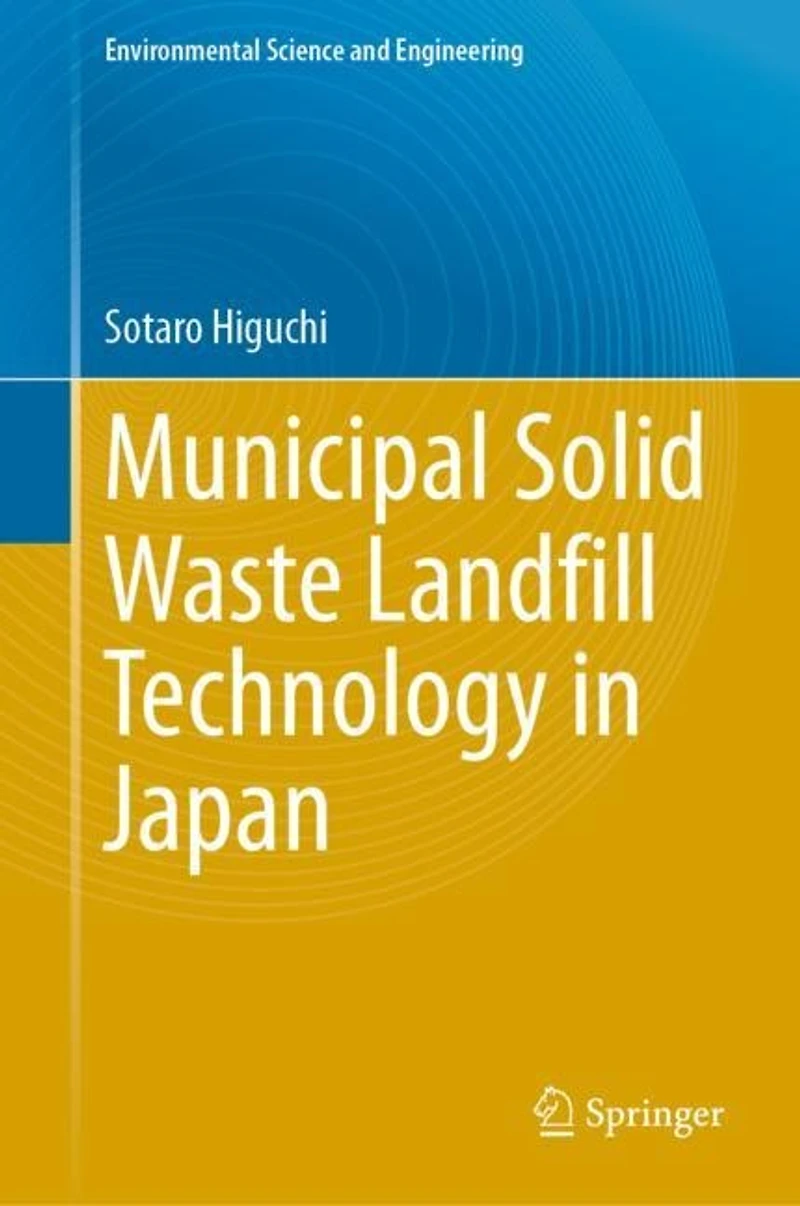
Municipal Solid Waste Landfill Technology Japan in Grande Prairie, AB
Current price: $248.50
Coles
Municipal Solid Waste Landfill Technology Japan in Grande Prairie, AB
Current price: $248.50
Loading Inventory...
Size: Hardcover
*Product information and pricing may vary - to confirm current pricing, availability, shipping, and return information please contact Coles. In the event of a pricing discrepancy, the retailer's price will apply.
Japan was ahead of the rest of the world when it introduced intermediate processing of municipal waste by such means as incineration in the 1960s. Owing to the small land area of the country and the difficulty in securing landfill sites, the incineration ratio of municipal combustible waste had reached 100% by the 1990s. Along with the landfill of incineration residues, proprietary technologies such as high salt leachate treatment, desalination treatment, by-product recycling, a focus on the resource of incineration residues, sea surface landfill sites, and covered type landfill sites have spread and developed since then. This book describes the introduction of incineration facilities starting in the 1960s, landfill technology, and issues arising after 1990 following the introduction of the facilities. The necessity of a total system from incineration to landfill is explained as well. The volume is a valuable resource for countries that plan to introduce intermediate processing such as incineration and for countries that are developing a waste management policy.
Japan was ahead of the rest of the world when it introduced intermediate processing of municipal waste by such means as incineration in the 1960s. Owing to the small land area of the country and the difficulty in securing landfill sites, the incineration ratio of municipal combustible waste had reached 100% by the 1990s. Along with the landfill of incineration residues, proprietary technologies such as high salt leachate treatment, desalination treatment, by-product recycling, a focus on the resource of incineration residues, sea surface landfill sites, and covered type landfill sites have spread and developed since then. This book describes the introduction of incineration facilities starting in the 1960s, landfill technology, and issues arising after 1990 following the introduction of the facilities. The necessity of a total system from incineration to landfill is explained as well. The volume is a valuable resource for countries that plan to introduce intermediate processing such as incineration and for countries that are developing a waste management policy.
You May Also Like









Find at Prairie Mall in Grande Prairie, AB
Visit at Prairie Mall in Grande Prairie, AB