


Gifting Made Simple
Give the Gift of ChoiceClick below to purchase a Prairie Mall eGift Card that can be used at participating retailers at Prairie Mall.Buy Gift CardHome
Multisensor Fusion Estimation Theory and Application
Coles
Loading Inventory...
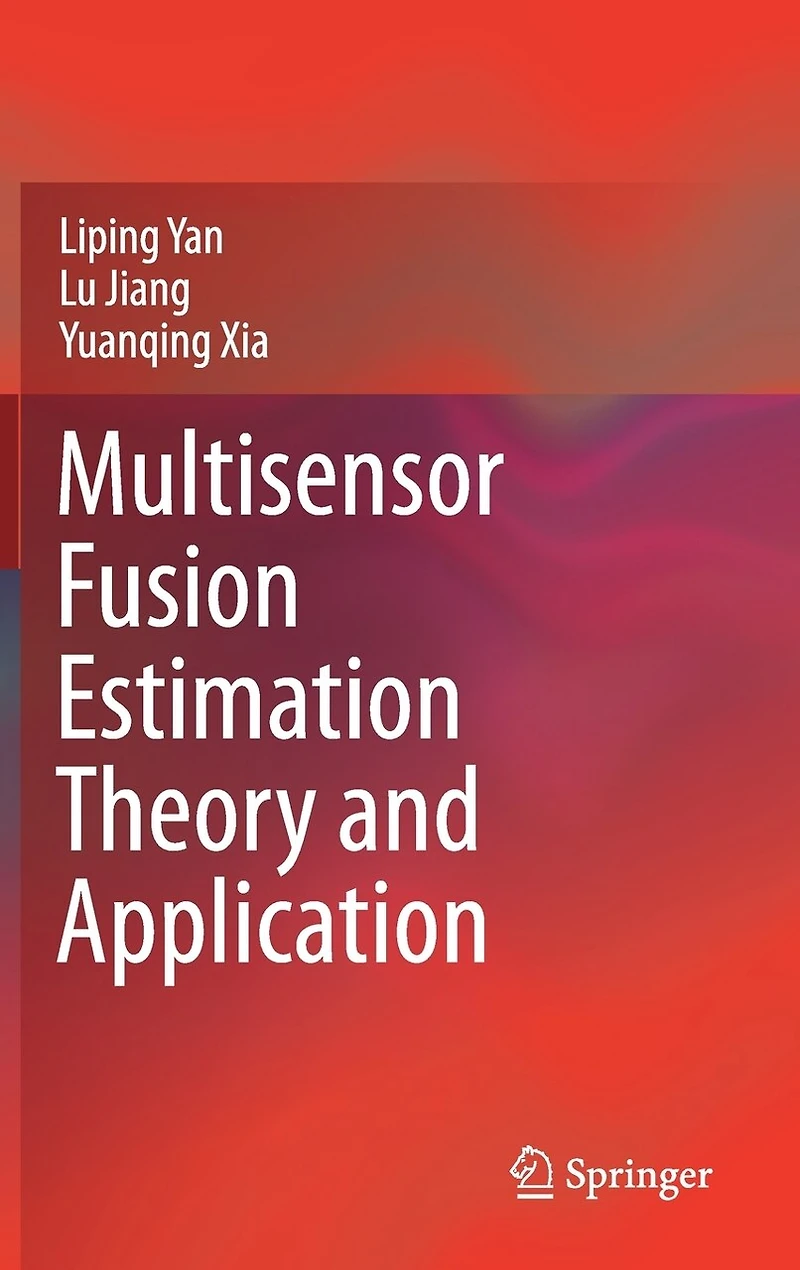
Multisensor Fusion Estimation Theory and Application in Grande Prairie, AB
Current price: $248.50
Coles
Multisensor Fusion Estimation Theory and Application in Grande Prairie, AB
Current price: $248.50
Loading Inventory...
Size: Hardcover
*Product information and pricing may vary - to confirm current pricing, availability, shipping, and return information please contact Coles. In the event of a pricing discrepancy, the retailer's price will apply.
This book focuses on the basic theory and methods of multisensor data fusion state estimation and its application. It consists of four parts with 12 chapters. In Part I, the basic framework and methods of multisensor optimal estimation and the basic concepts of Kalman filtering are briefly and systematically introduced. In Part II, the data fusion state estimation algorithms under networked environment are introduced. Part III consists of three chapters, in which the fusion estimation algorithms under event-triggered mechanisms are introduced. Part IV consists of two chapters, in which fusion estimation for systems with non-Gaussian but heavy-tailed noises are introduced. The book is primarily intended for researchers and engineers in the field of data fusion and state estimation. It also benefits for both graduate and undergraduate students who are interested in target tracking, navigation, networked control, etc.
This book focuses on the basic theory and methods of multisensor data fusion state estimation and its application. It consists of four parts with 12 chapters. In Part I, the basic framework and methods of multisensor optimal estimation and the basic concepts of Kalman filtering are briefly and systematically introduced. In Part II, the data fusion state estimation algorithms under networked environment are introduced. Part III consists of three chapters, in which the fusion estimation algorithms under event-triggered mechanisms are introduced. Part IV consists of two chapters, in which fusion estimation for systems with non-Gaussian but heavy-tailed noises are introduced. The book is primarily intended for researchers and engineers in the field of data fusion and state estimation. It also benefits for both graduate and undergraduate students who are interested in target tracking, navigation, networked control, etc.
You May Also Like








Find at Prairie Mall in Grande Prairie, AB
Visit at Prairie Mall in Grande Prairie, AB