


Gifting Made Simple
Give the Gift of ChoiceClick below to purchase a Prairie Mall eGift Card that can be used at participating retailers at Prairie Mall.Buy Gift CardHome
Mühlenpfordt – Neue Zeitkunst: Reformarchitektur und Hochschullehre
Coles
Loading Inventory...
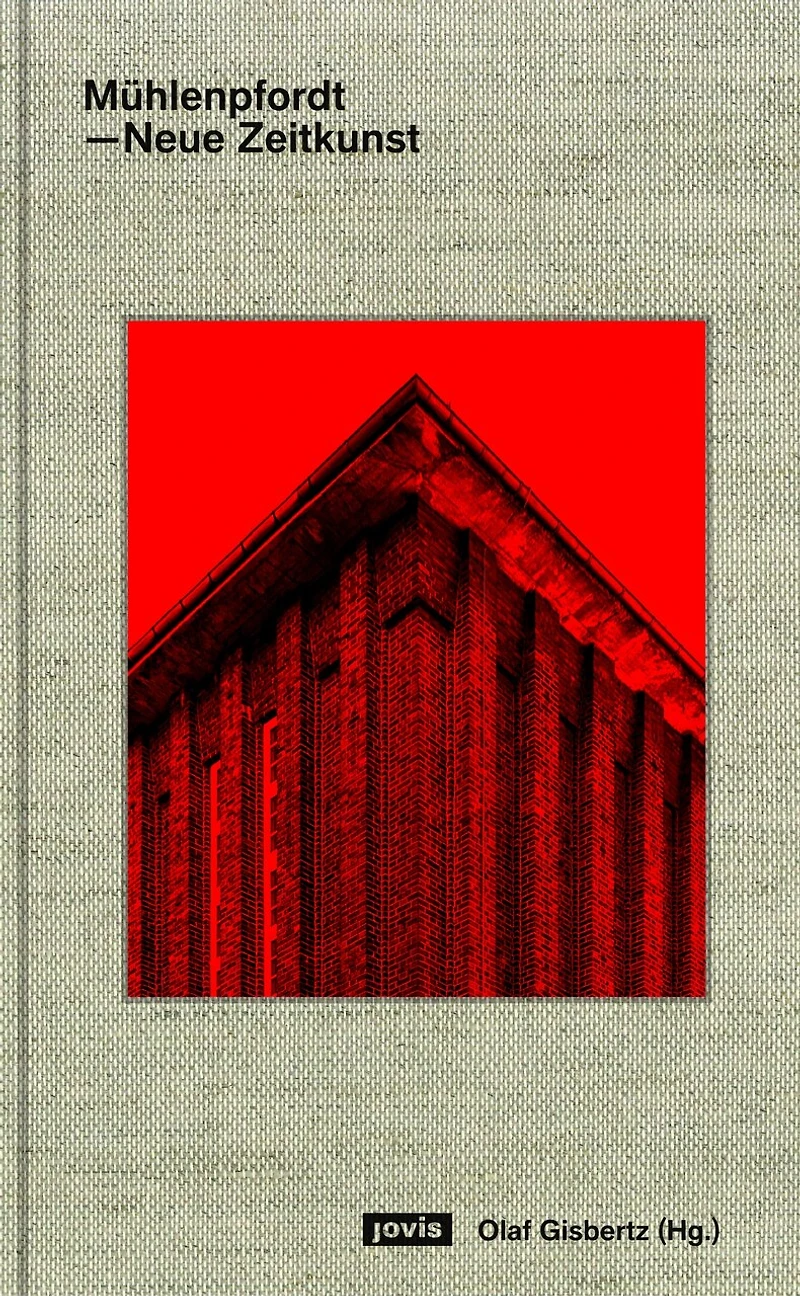
Mühlenpfordt – Neue Zeitkunst: Reformarchitektur und Hochschullehre in Grande Prairie, AB
Current price: $53.99
Coles
Mühlenpfordt – Neue Zeitkunst: Reformarchitektur und Hochschullehre in Grande Prairie, AB
Current price: $53.99
Loading Inventory...
Size: Hardcover
*Product information and pricing may vary - to confirm current pricing, availability, shipping, and return information please contact Coles. In the event of a pricing discrepancy, the retailer's price will apply.
Carl Mühlenpfordt (1878–1944) had already left his mark on Lübeck before he was appointed by the Braun-schweig Polytechnic in 1914. His reforms turned the architecture faculty into a well-known educational establishment, which later caused a stir through his student network as the “Braunschweig School.” Today the architect and university teacher is largely unknown. He had demanded a “New Contemporary Art” for the imperial era and Weimar Republic with Verve, which went beyond programmatic Bauhaus, but was led by a belief in continuity and a will to reform.
This book offers a multilayered contextualization of the life and work of the architect, illuminating aspects of architectural and life reform, as well as questions about the mood among reform architects in the early twentieth century. The consideration of Mühlenpfordt indicates the contemporary relevance of his search for identity in the built environment in current debates about the city and architecture of the future.
Carl Mühlenpfordt (1878–1944) had already left his mark on Lübeck before he was appointed by the Braun-schweig Polytechnic in 1914. His reforms turned the architecture faculty into a well-known educational establishment, which later caused a stir through his student network as the “Braunschweig School.” Today the architect and university teacher is largely unknown. He had demanded a “New Contemporary Art” for the imperial era and Weimar Republic with Verve, which went beyond programmatic Bauhaus, but was led by a belief in continuity and a will to reform.
This book offers a multilayered contextualization of the life and work of the architect, illuminating aspects of architectural and life reform, as well as questions about the mood among reform architects in the early twentieth century. The consideration of Mühlenpfordt indicates the contemporary relevance of his search for identity in the built environment in current debates about the city and architecture of the future.
You May Also Like













Find at Prairie Mall in Grande Prairie, AB
Visit at Prairie Mall in Grande Prairie, AB