


Gifting Made Simple
Give the Gift of ChoiceClick below to purchase a Prairie Mall eGift Card that can be used at participating retailers at Prairie Mall.Buy Gift CardHome
Mozambique Culture and Art, The History: Mozambicans People, Tradition, and Tourism
Coles
Loading Inventory...
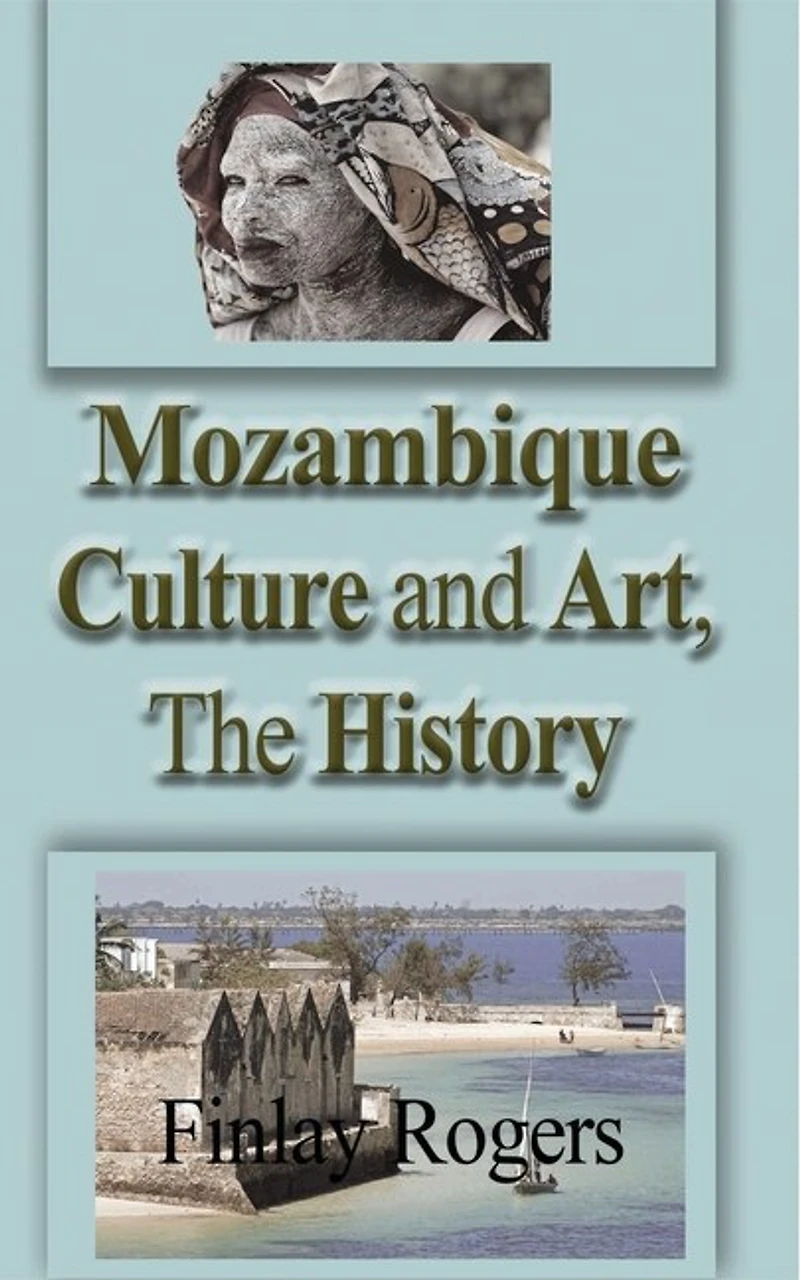
Mozambique Culture and Art, The History: Mozambicans People, Tradition, and Tourism in Grande Prairie, AB
Current price: $41.58
Coles
Mozambique Culture and Art, The History: Mozambicans People, Tradition, and Tourism in Grande Prairie, AB
Current price: $41.58
Loading Inventory...
Size: Paperback
*Product information and pricing may vary - to confirm current pricing, availability, shipping, and return information please contact Coles. In the event of a pricing discrepancy, the retailer's price will apply.
Mozambique Culture and Art, The History. Mozambicans People, Tradition, and Tourism. The people of Mozambique are ethnically diverse, but ethnic categories are fluid and reflect the country's colonial history. All inhabitants of the country were designated Portuguese in 1961, and some ethnic classifications such as Makua-Lomwe were created by colonial Portuguese officials themselves. Within the country, in addition to the Makua-Lomwe, live the Tsonga, Sena, Ndau (see Shona), Chopi, Chewa, Yao, Makonde, and Ngoni. In terms of cultural organization, the Zambezi valley again provides Mozambique's key marker, roughly dividing groups that trace their heritage according to principles of matrilineality to the north and groups that order themselves along patrilineal lines to the south. In matrilineal groups, authority rests in the senior male of the extended family traced through the female line, whereas in patrilineal groups the senior male is identified through the male line. Throughout the 20th century, however, many matrilineal groups adopted patrilineality and virilocal settlement, with new families settling in a household of the husband's lineage rather than the wife's
Mozambique Culture and Art, The History. Mozambicans People, Tradition, and Tourism. The people of Mozambique are ethnically diverse, but ethnic categories are fluid and reflect the country's colonial history. All inhabitants of the country were designated Portuguese in 1961, and some ethnic classifications such as Makua-Lomwe were created by colonial Portuguese officials themselves. Within the country, in addition to the Makua-Lomwe, live the Tsonga, Sena, Ndau (see Shona), Chopi, Chewa, Yao, Makonde, and Ngoni. In terms of cultural organization, the Zambezi valley again provides Mozambique's key marker, roughly dividing groups that trace their heritage according to principles of matrilineality to the north and groups that order themselves along patrilineal lines to the south. In matrilineal groups, authority rests in the senior male of the extended family traced through the female line, whereas in patrilineal groups the senior male is identified through the male line. Throughout the 20th century, however, many matrilineal groups adopted patrilineality and virilocal settlement, with new families settling in a household of the husband's lineage rather than the wife's
You May Also Like








Find at Prairie Mall in Grande Prairie, AB
Visit at Prairie Mall in Grande Prairie, AB