


Gifting Made Simple
Give the Gift of ChoiceClick below to purchase a Prairie Mall eGift Card that can be used at participating retailers at Prairie Mall.Buy Gift CardHome
Mourning the Anthropocene: Ecological Grief and Earthly Coexistence
Coles
Loading Inventory...
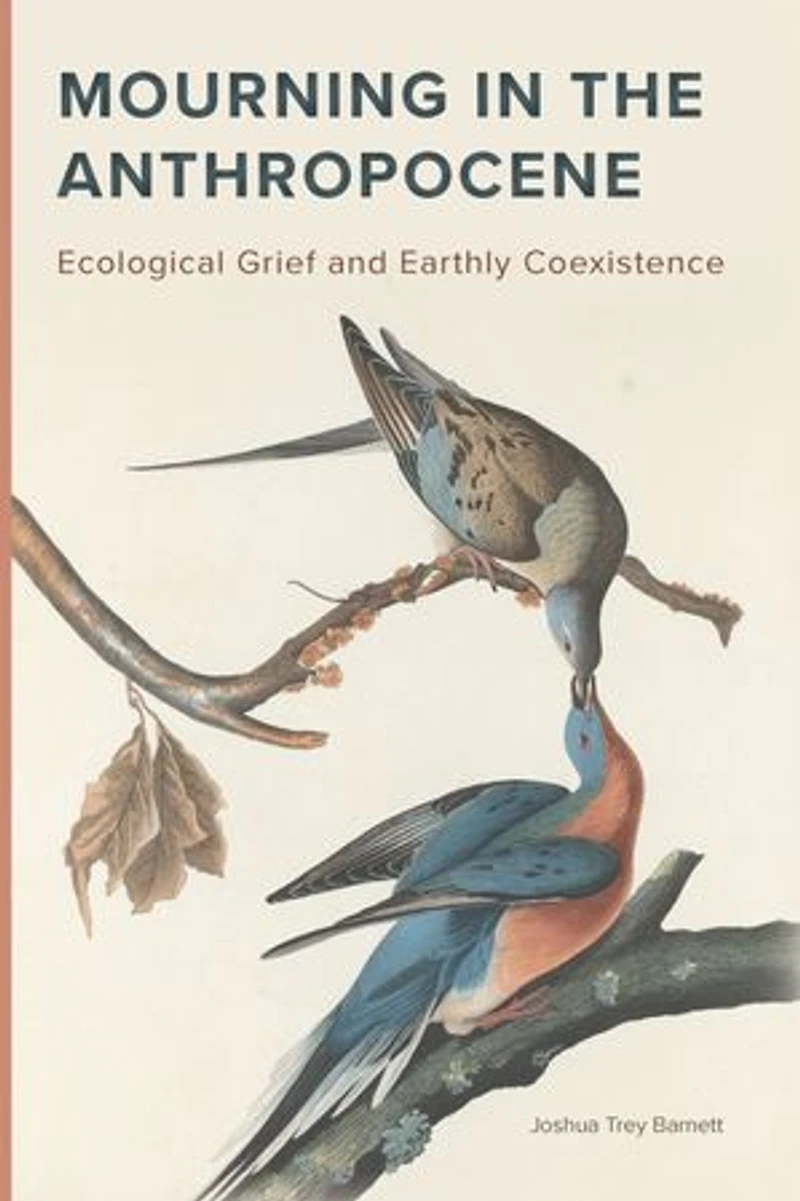
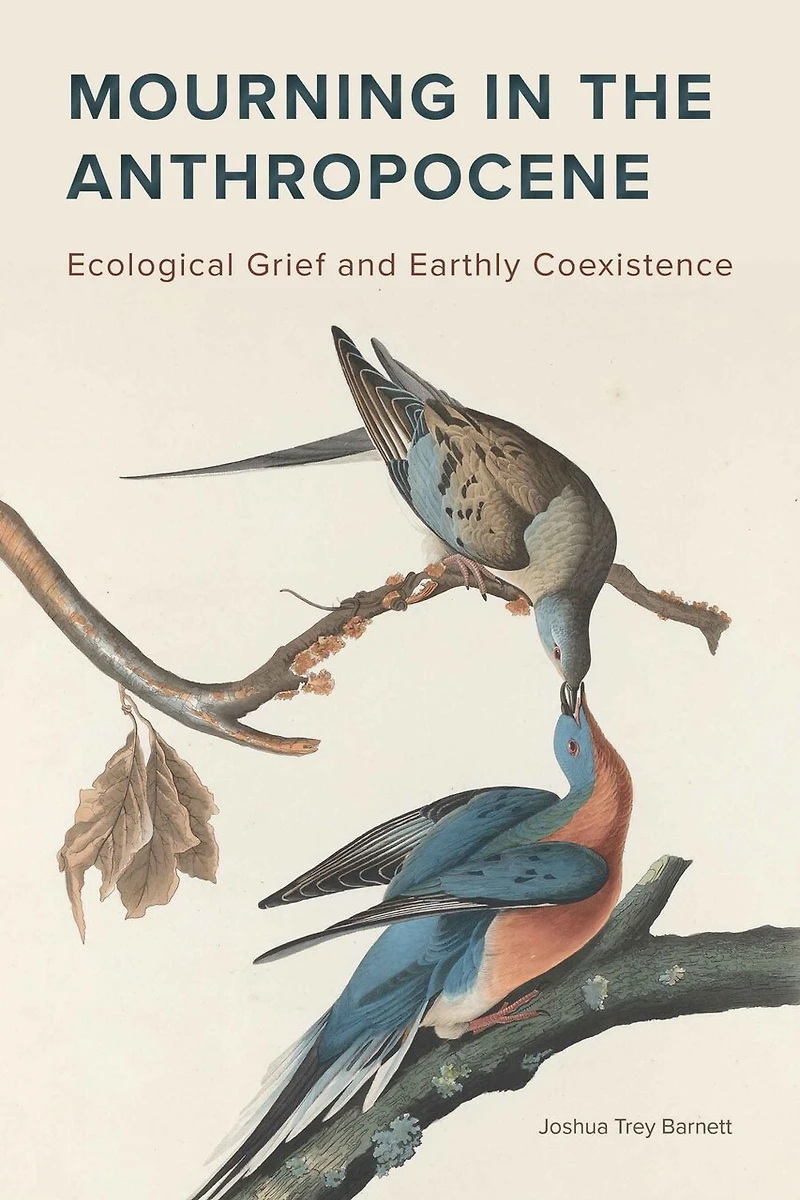
Mourning the Anthropocene: Ecological Grief and Earthly Coexistence in Grande Prairie, AB
Current price: $39.09
Original price: $48.79
Coles
Mourning the Anthropocene: Ecological Grief and Earthly Coexistence in Grande Prairie, AB
Current price: $39.09
Original price: $48.79
Loading Inventory...
Size: Kobo eBook
*Product information and pricing may vary - to confirm current pricing, availability, shipping, and return information please contact Coles. In the event of a pricing discrepancy, the retailer's price will apply.
Enormous ecological losses and profound planetary transformations mean that ours is a time to grieve beyond the human. Yet, Joshua Trey Barnett argues in this eloquent and urgent book, our capacity to grieve for more-than-human others is neither natural nor inevitable. Weaving together personal narratives, theoretical meditations, and insightful readings of cultural artifacts, he suggests that ecological grief is best understood as a rhetorical achievement. As a collection of worldmaking practices, rhetoric makes things matter, bestows value, directs attention, generates knowledge, and foments feelings. By dwelling on three rhetorical practices—naming, archiving, and making visible—Barnett shows how they prepare us to grieve past, present, and future ecological losses. Simultaneously diagnostic and prescriptive, this book reveals rhetorical practices that set our ecological grief into motion and illuminates pathways to more connected, caring earthly coexistence.
Enormous ecological losses and profound planetary transformations mean that ours is a time to grieve beyond the human. Yet, Joshua Trey Barnett argues in this eloquent and urgent book, our capacity to grieve for more-than-human others is neither natural nor inevitable. Weaving together personal narratives, theoretical meditations, and insightful readings of cultural artifacts, he suggests that ecological grief is best understood as a rhetorical achievement. As a collection of worldmaking practices, rhetoric makes things matter, bestows value, directs attention, generates knowledge, and foments feelings. By dwelling on three rhetorical practices—naming, archiving, and making visible—Barnett shows how they prepare us to grieve past, present, and future ecological losses. Simultaneously diagnostic and prescriptive, this book reveals rhetorical practices that set our ecological grief into motion and illuminates pathways to more connected, caring earthly coexistence.
You May Also Like













Find at Prairie Mall in Grande Prairie, AB
Visit at Prairie Mall in Grande Prairie, AB