


Gifting Made Simple
Give the Gift of ChoiceClick below to purchase a Prairie Mall eGift Card that can be used at participating retailers at Prairie Mall.Buy Gift CardHome
Moderate Liberalism and the Scottish Enlightenment: Montesquieu, Hume, Smith Ferguson
Coles
Loading Inventory...
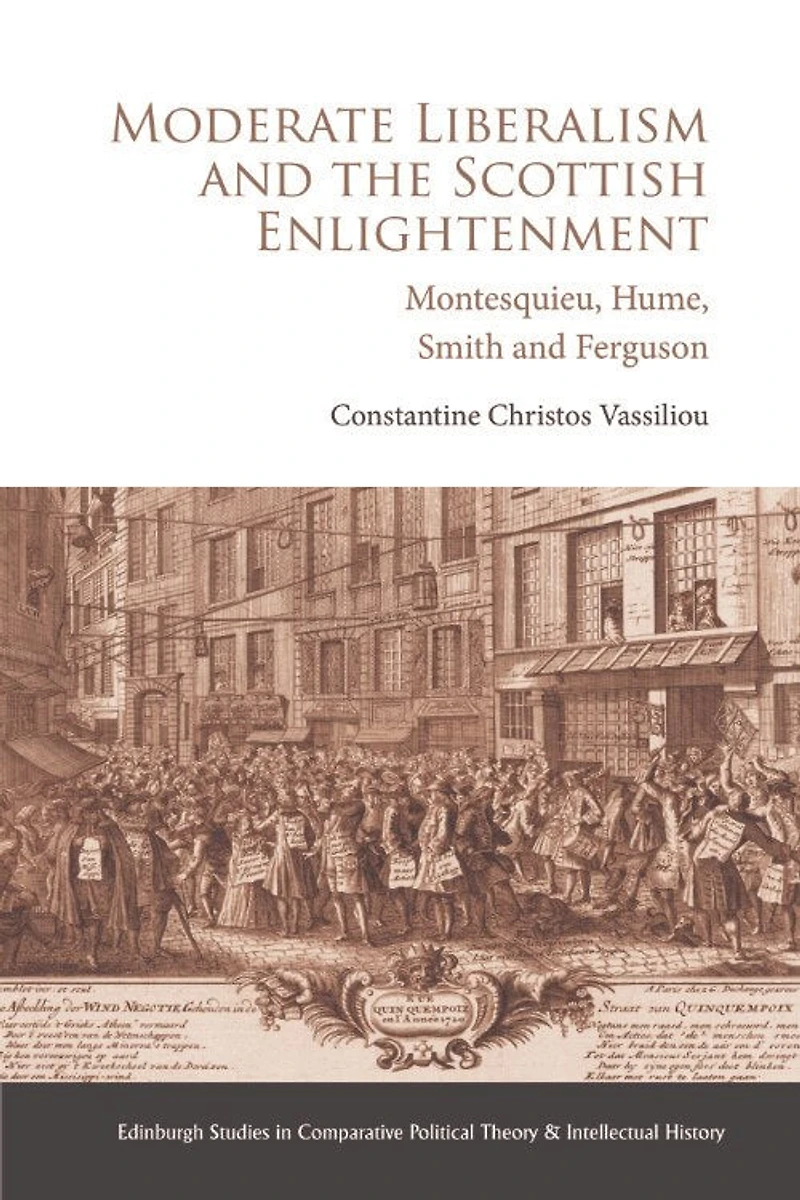
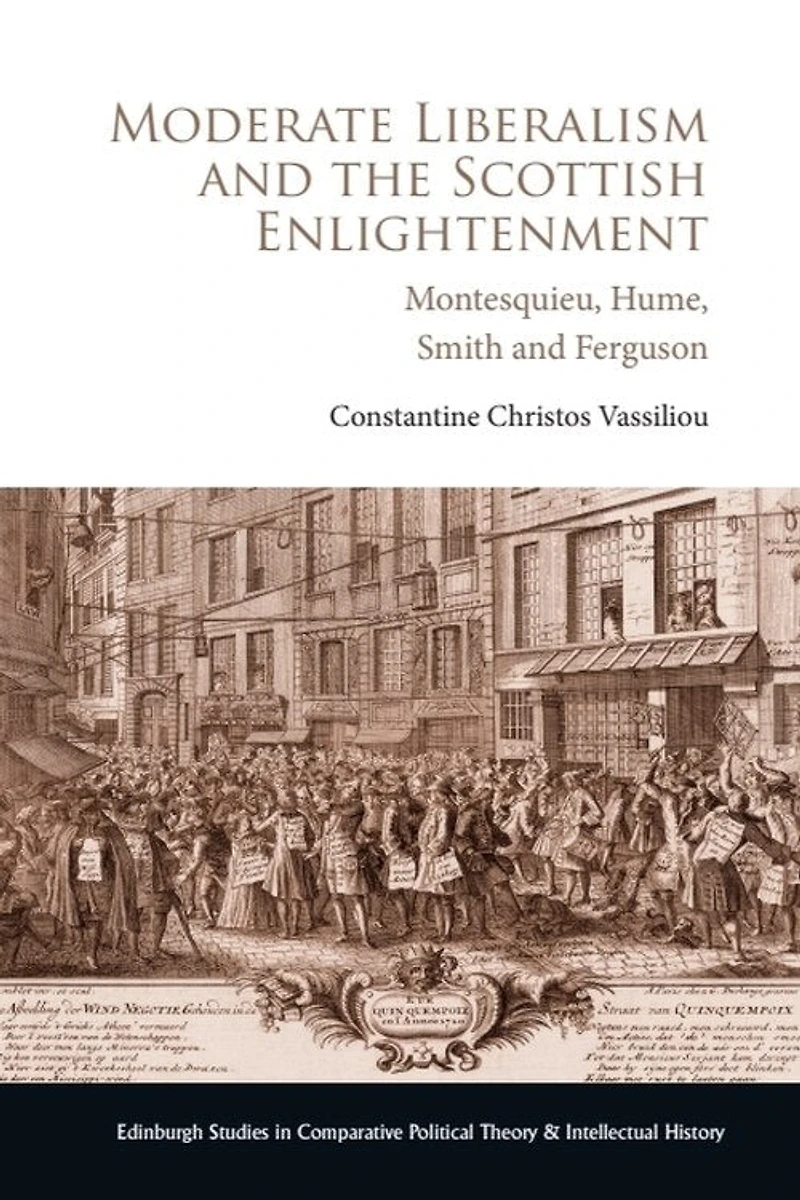
Moderate Liberalism and the Scottish Enlightenment: Montesquieu, Hume, Smith Ferguson in Grande Prairie, AB
Current price: $151.83
Coles
Moderate Liberalism and the Scottish Enlightenment: Montesquieu, Hume, Smith Ferguson in Grande Prairie, AB
Current price: $151.83
Loading Inventory...
Size: Hardcover
*Product information and pricing may vary - to confirm current pricing, availability, shipping, and return information please contact Coles. In the event of a pricing discrepancy, the retailer's price will apply.
Moderate Liberalism and the Scottish Enlightenment responds to a perennial problem in political theory: how to balance commercial considerations with the public good. It investigates this dilemma through the lenses of Enlightenment thinkers whose liberal theories responded to the hazards of commercial innovation during capitalism’s nascent stages. Vassiliou argues that Montesquieu, David Hume, Adam Smith, and Adam Ferguson represent a moderate perspective in foundational liberal thought, which emphasizes the critical importance of honour. He compares how their liberal theories uniquely channel human beings’ desire for honour to nourish a sense of interpersonal magnanimity within an inward-looking, liberal commercial world. In an age of polarized extremes, we have witnessed restive democracies flirting with populist, illiberal responses for managing the hazards of capitalist innovation. Montesquieu and his Scottish counterparts’ foundational liberal theories offer us more viable, middle-ground prescriptions which are sensitive to the emotional constitution of a liberal society.
Moderate Liberalism and the Scottish Enlightenment responds to a perennial problem in political theory: how to balance commercial considerations with the public good. It investigates this dilemma through the lenses of Enlightenment thinkers whose liberal theories responded to the hazards of commercial innovation during capitalism’s nascent stages. Vassiliou argues that Montesquieu, David Hume, Adam Smith, and Adam Ferguson represent a moderate perspective in foundational liberal thought, which emphasizes the critical importance of honour. He compares how their liberal theories uniquely channel human beings’ desire for honour to nourish a sense of interpersonal magnanimity within an inward-looking, liberal commercial world. In an age of polarized extremes, we have witnessed restive democracies flirting with populist, illiberal responses for managing the hazards of capitalist innovation. Montesquieu and his Scottish counterparts’ foundational liberal theories offer us more viable, middle-ground prescriptions which are sensitive to the emotional constitution of a liberal society.
You May Also Like











Find at Prairie Mall in Grande Prairie, AB
Visit at Prairie Mall in Grande Prairie, AB