


Gifting Made Simple
Give the Gift of ChoiceClick below to purchase a Prairie Mall eGift Card that can be used at participating retailers at Prairie Mall.Buy Gift CardHome
Migration of Labour India: The squatter settlements Delhi
Coles
Loading Inventory...
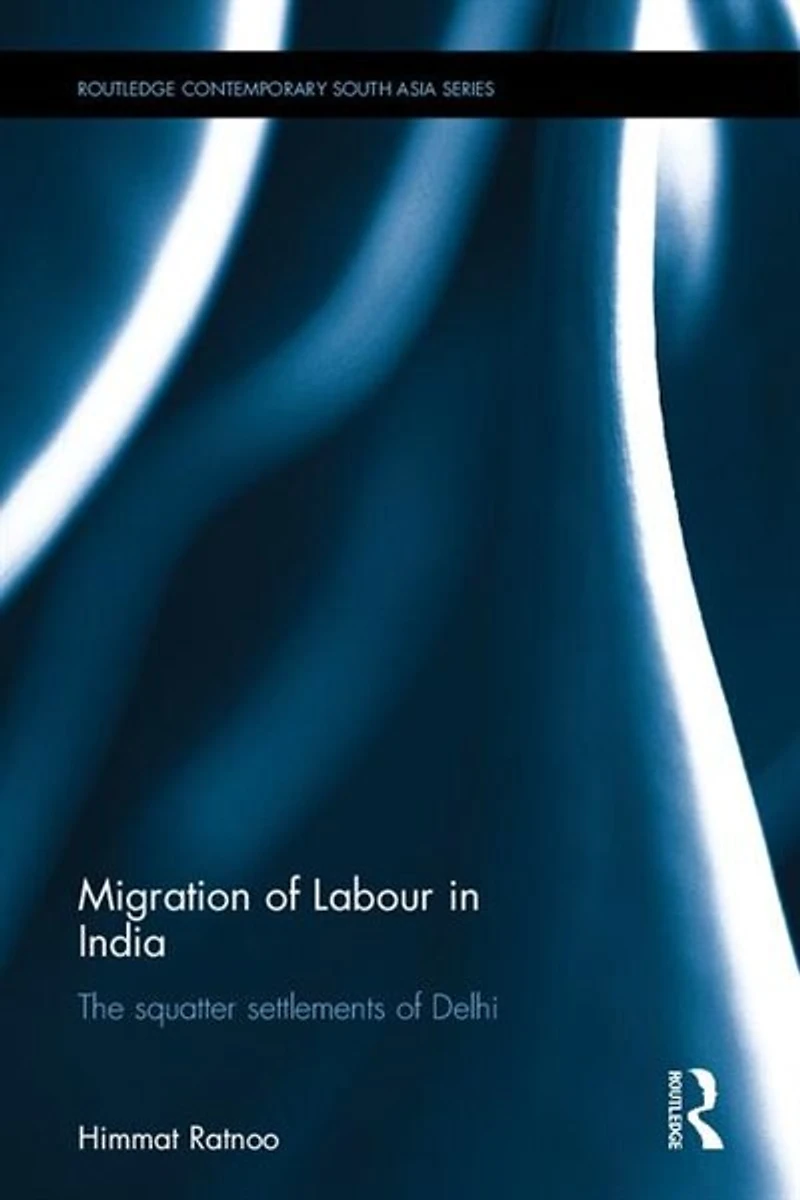

Migration of Labour India: The squatter settlements Delhi in Grande Prairie, AB
Current price: $333.50
Coles
Migration of Labour India: The squatter settlements Delhi in Grande Prairie, AB
Current price: $333.50
Loading Inventory...
Size: Hardcover
*Product information and pricing may vary - to confirm current pricing, availability, shipping, and return information please contact Coles. In the event of a pricing discrepancy, the retailer's price will apply.
Migration - both within and between countries - is increasingly one of the world's most important policy issues. The faster the Indian economy grows, the larger will be the geographical redistribution of the workforce from localities of low to those of high employment growth. Thus, territorial mobility is fundamental both to realizing the full economic potential of India's people and to allowing the population to escape from rural poverty.
The book analyses the decisive factors in labour migration. Based upon a thorough and robust examination of migrants to three slum localities of Delhi stretching over four decades, the author examines why people migrate, the circumstances of their decision and their experience at their destination. He investigates the myths of urban policy - that "rural development" will reduce migration to the cities, that "growth poles" can be created to divert migrant flows, and that government has the power to influence significantly migration scales and directions while pursuing essentially unpredictable market-driven economic growth.
Testing the essential theoretical basis for urban policy in India, the book is of interest to academics studying migration of labour and urbanization, and those interested in South Asian Studies.
Migration - both within and between countries - is increasingly one of the world's most important policy issues. The faster the Indian economy grows, the larger will be the geographical redistribution of the workforce from localities of low to those of high employment growth. Thus, territorial mobility is fundamental both to realizing the full economic potential of India's people and to allowing the population to escape from rural poverty.
The book analyses the decisive factors in labour migration. Based upon a thorough and robust examination of migrants to three slum localities of Delhi stretching over four decades, the author examines why people migrate, the circumstances of their decision and their experience at their destination. He investigates the myths of urban policy - that "rural development" will reduce migration to the cities, that "growth poles" can be created to divert migrant flows, and that government has the power to influence significantly migration scales and directions while pursuing essentially unpredictable market-driven economic growth.
Testing the essential theoretical basis for urban policy in India, the book is of interest to academics studying migration of labour and urbanization, and those interested in South Asian Studies.
You May Also Like












Find at Prairie Mall in Grande Prairie, AB
Visit at Prairie Mall in Grande Prairie, AB