


Gifting Made Simple
Give the Gift of ChoiceClick below to purchase a Prairie Mall eGift Card that can be used at participating retailers at Prairie Mall.Buy Gift CardHome
Migration Culture: A Comparative Perspective
Coles
Loading Inventory...
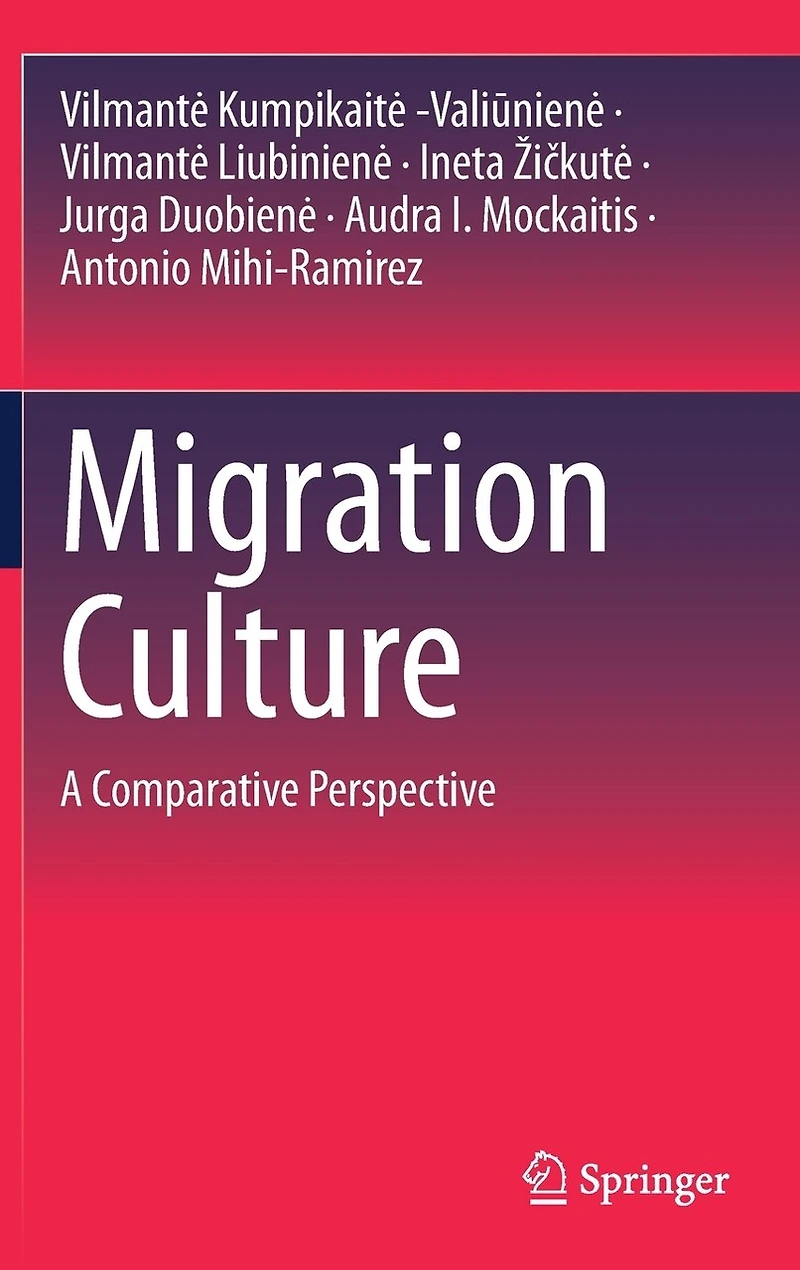
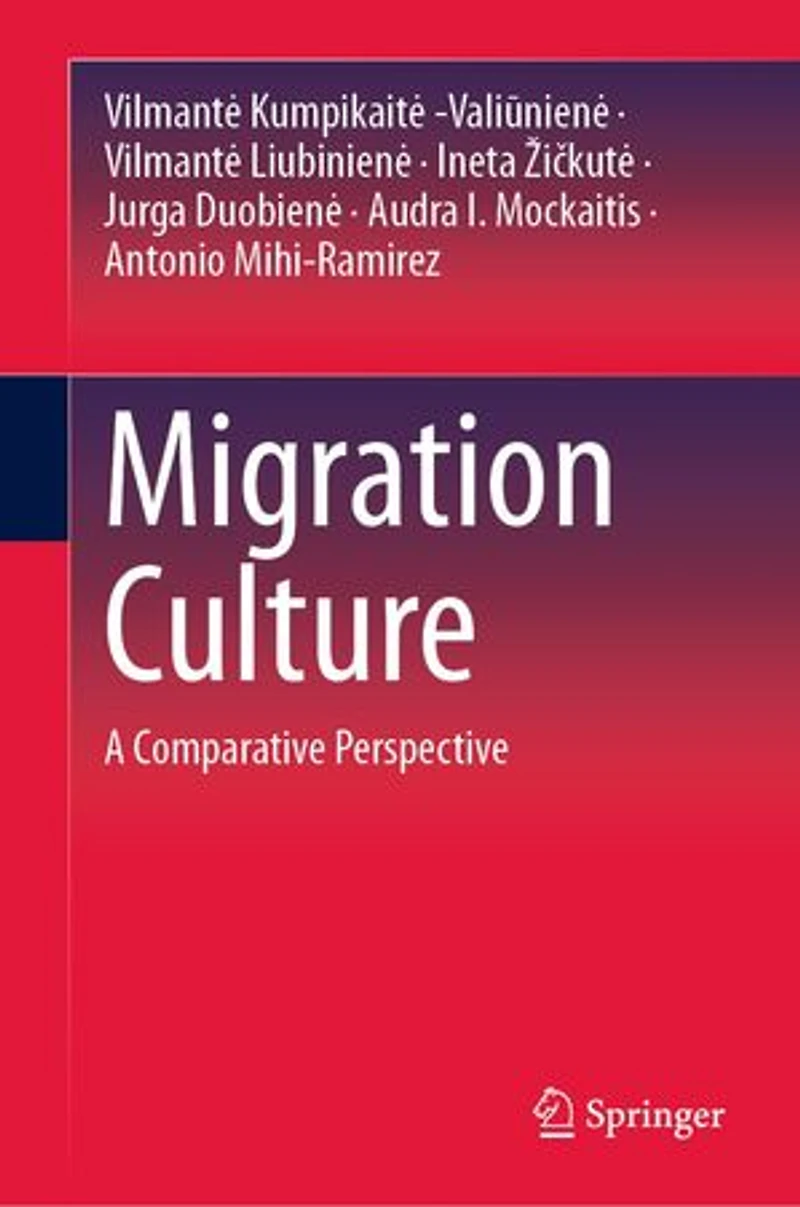
Migration Culture: A Comparative Perspective in Grande Prairie, AB
Current price: $189.95
Coles
Migration Culture: A Comparative Perspective in Grande Prairie, AB
Current price: $189.95
Loading Inventory...
Size: Hardcover
*Product information and pricing may vary - to confirm current pricing, availability, shipping, and return information please contact Coles. In the event of a pricing discrepancy, the retailer's price will apply.
This book examines the emergence of a culture of migration through outward migration as a country-specific phenomenon and analyzes it from different perspectives, covering various aspects such as the history of a country, its migration flows, migration push factors, social, economic, and political issues, as well as individual values.
In the first part, the authors present a theoretical background on migration culture formation. This is followed by an in-depth analysis of migration culture in Lithuania in the second part. The presented case study is based on a quantitative survey study of almost 5.400 respondents. Further, the results of this case study are compared and adapted to other classical migration countries in the European Union, such as Spain or Portugal.
The book, therefore, is a must-read for everybody interested in a better understanding of migration and the emergence of a culture of migration in different countries.
This book examines the emergence of a culture of migration through outward migration as a country-specific phenomenon and analyzes it from different perspectives, covering various aspects such as the history of a country, its migration flows, migration push factors, social, economic, and political issues, as well as individual values.
In the first part, the authors present a theoretical background on migration culture formation. This is followed by an in-depth analysis of migration culture in Lithuania in the second part. The presented case study is based on a quantitative survey study of almost 5.400 respondents. Further, the results of this case study are compared and adapted to other classical migration countries in the European Union, such as Spain or Portugal.
The book, therefore, is a must-read for everybody interested in a better understanding of migration and the emergence of a culture of migration in different countries.
You May Also Like














Find at Prairie Mall in Grande Prairie, AB
Visit at Prairie Mall in Grande Prairie, AB