


Gifting Made Simple
Give the Gift of ChoiceClick below to purchase a Prairie Mall eGift Card that can be used at participating retailers at Prairie Mall.Buy Gift CardHome
Mental Models and Their Dynamics, Adaptation, Control: A Self-Modeling Network Modeling Approach
Coles
Loading Inventory...
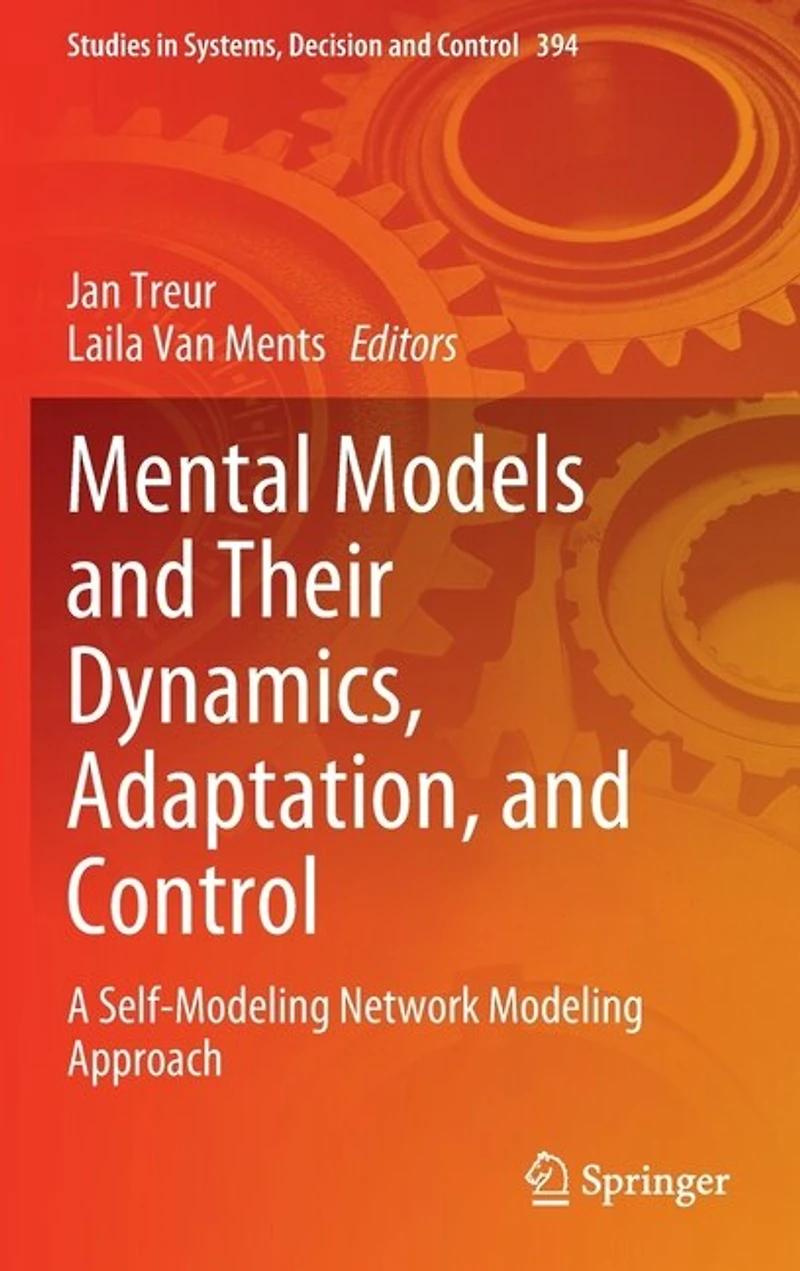
Mental Models and Their Dynamics, Adaptation, Control: A Self-Modeling Network Modeling Approach in Grande Prairie, AB
Current price: $291.95
Coles
Mental Models and Their Dynamics, Adaptation, Control: A Self-Modeling Network Modeling Approach in Grande Prairie, AB
Current price: $291.95
Loading Inventory...
Size: Hardcover
*Product information and pricing may vary - to confirm current pricing, availability, shipping, and return information please contact Coles. In the event of a pricing discrepancy, the retailer's price will apply.
This book introduces a generic approach to model the use and adaptation of mental models, including the control over this. In their mental processes, humans often make use of internal mental models as a kind of blueprints for processes that can take place in the world or in other persons. By internal mental simulation of such a mental model in their brain, they can predict and be prepared for what can happen in the future. Usually, mental models are adaptive: they can be learned, refined, revised, or forgotten, for example. Although there is a huge literature on mental models in various disciplines, a systematic account of how to model them computationally in a transparent manner is lacking. This approach allows for computational modeling of humans using mental models without a need for any algorithmic or programming skills, allowing for focus on the process of conceptualizing, modeling, and simulating complex, real-world mental processes and behaviors. The book is suitable for and is used as course material for multidisciplinary Master and Ph.D. students.
This book introduces a generic approach to model the use and adaptation of mental models, including the control over this. In their mental processes, humans often make use of internal mental models as a kind of blueprints for processes that can take place in the world or in other persons. By internal mental simulation of such a mental model in their brain, they can predict and be prepared for what can happen in the future. Usually, mental models are adaptive: they can be learned, refined, revised, or forgotten, for example. Although there is a huge literature on mental models in various disciplines, a systematic account of how to model them computationally in a transparent manner is lacking. This approach allows for computational modeling of humans using mental models without a need for any algorithmic or programming skills, allowing for focus on the process of conceptualizing, modeling, and simulating complex, real-world mental processes and behaviors. The book is suitable for and is used as course material for multidisciplinary Master and Ph.D. students.
You May Also Like










Find at Prairie Mall in Grande Prairie, AB
Visit at Prairie Mall in Grande Prairie, AB