


Gifting Made Simple
Give the Gift of ChoiceClick below to purchase a Prairie Mall eGift Card that can be used at participating retailers at Prairie Mall.Buy Gift CardHome
Media Politics and Democracy Palestine: Political Culture, Pluralism the Palestinian Authority
Coles
Loading Inventory...
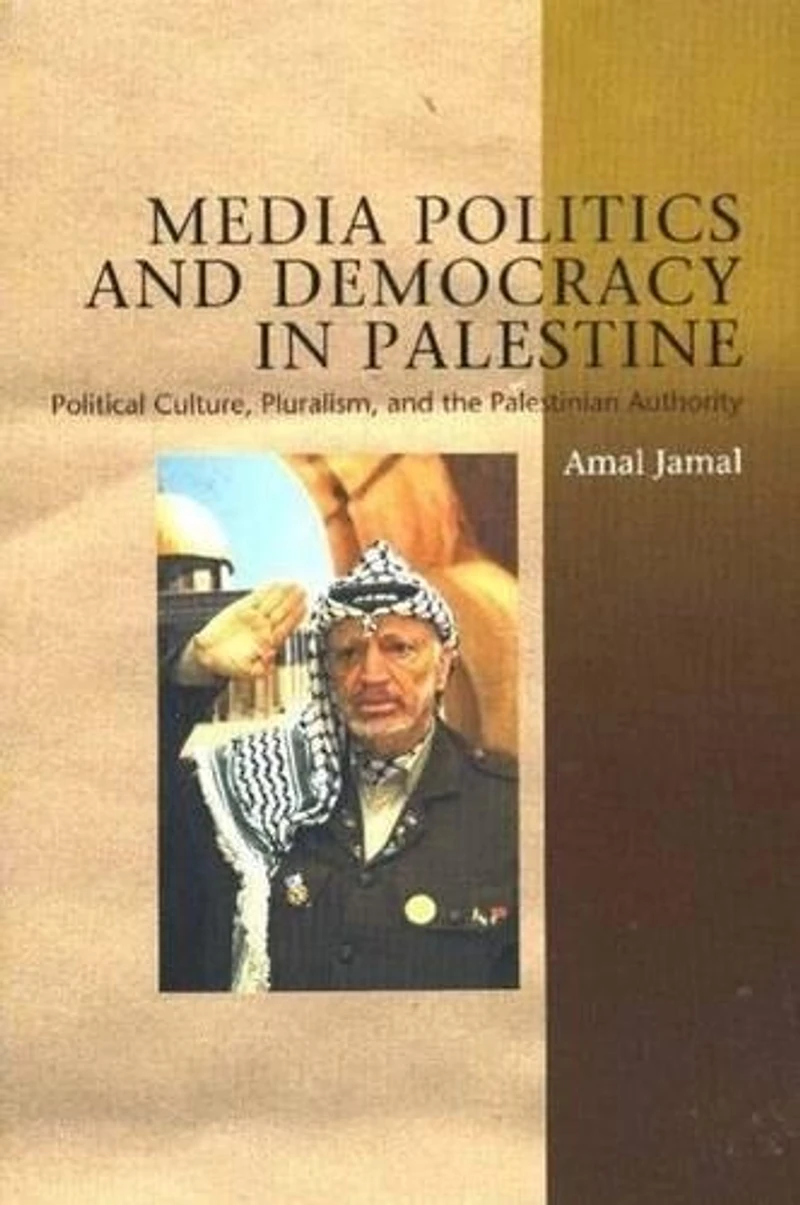
Media Politics and Democracy Palestine: Political Culture, Pluralism the Palestinian Authority in Grande Prairie, AB
Current price: $216.95
Coles
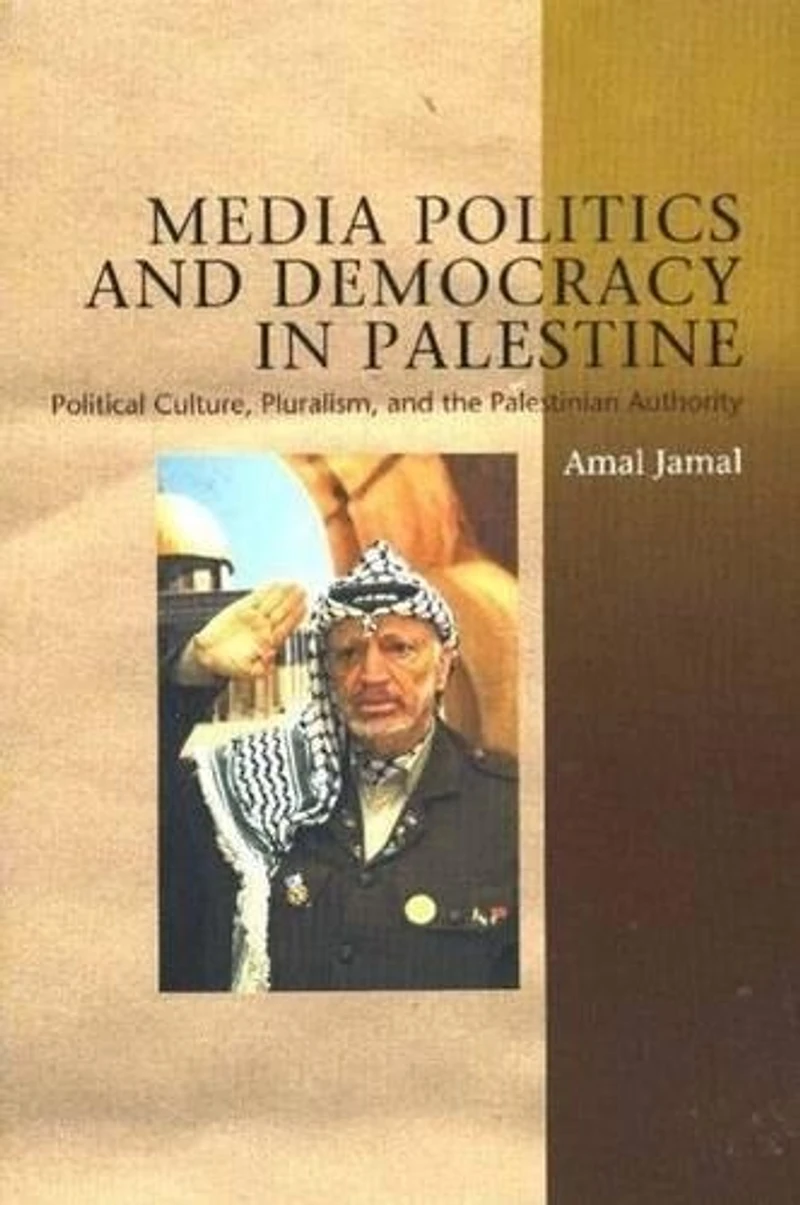
Media Politics and Democracy Palestine: Political Culture, Pluralism the Palestinian Authority in Grande Prairie, AB
Current price: $216.95
Loading Inventory...
Size: Hardcover
*Product information and pricing may vary - to confirm current pricing, availability, shipping, and return information please contact Coles. In the event of a pricing discrepancy, the retailer's price will apply.
In opposition to the PA, liberal as well as Islamic social forces promote policies of protest and resistance, through media tools, against the authoritarian policies of the PA. The media is viewed as a public sphere in which these forces compete. Media institutions play an important role in setting the parameters of communication in processes of state building: promoting public debate and forming public spheres influence the modes of statecivil society relations. Combining concepts of political communication with social movement theory, the author examines the extent to which public opinion plays a role in determining the character of the political regime. The rising tension between the Palestinian Authority's attempts to deepen its control over society and the reaction to this development by opposition groups informs the analysis of each civil institution: the role of NGOs, the Islamic movement, the women's movement and Palestinian feminism, and the liberal-democratic intellectual elite, are all assessed through their media institutions and communication policies, to reveal the character of the emerging Palestinian public sphere.
In opposition to the PA, liberal as well as Islamic social forces promote policies of protest and resistance, through media tools, against the authoritarian policies of the PA. The media is viewed as a public sphere in which these forces compete. Media institutions play an important role in setting the parameters of communication in processes of state building: promoting public debate and forming public spheres influence the modes of statecivil society relations. Combining concepts of political communication with social movement theory, the author examines the extent to which public opinion plays a role in determining the character of the political regime. The rising tension between the Palestinian Authority's attempts to deepen its control over society and the reaction to this development by opposition groups informs the analysis of each civil institution: the role of NGOs, the Islamic movement, the women's movement and Palestinian feminism, and the liberal-democratic intellectual elite, are all assessed through their media institutions and communication policies, to reveal the character of the emerging Palestinian public sphere.
You May Also Like









Find at Prairie Mall in Grande Prairie, AB
Visit at Prairie Mall in Grande Prairie, AB