


Gifting Made Simple
Give the Gift of ChoiceClick below to purchase a Prairie Mall eGift Card that can be used at participating retailers at Prairie Mall.Buy Gift CardHome
Meaning, Identity, and Interaction: Sociolinguistic Variation and Change in Game-Theoretic Pragmatics
Coles
Loading Inventory...
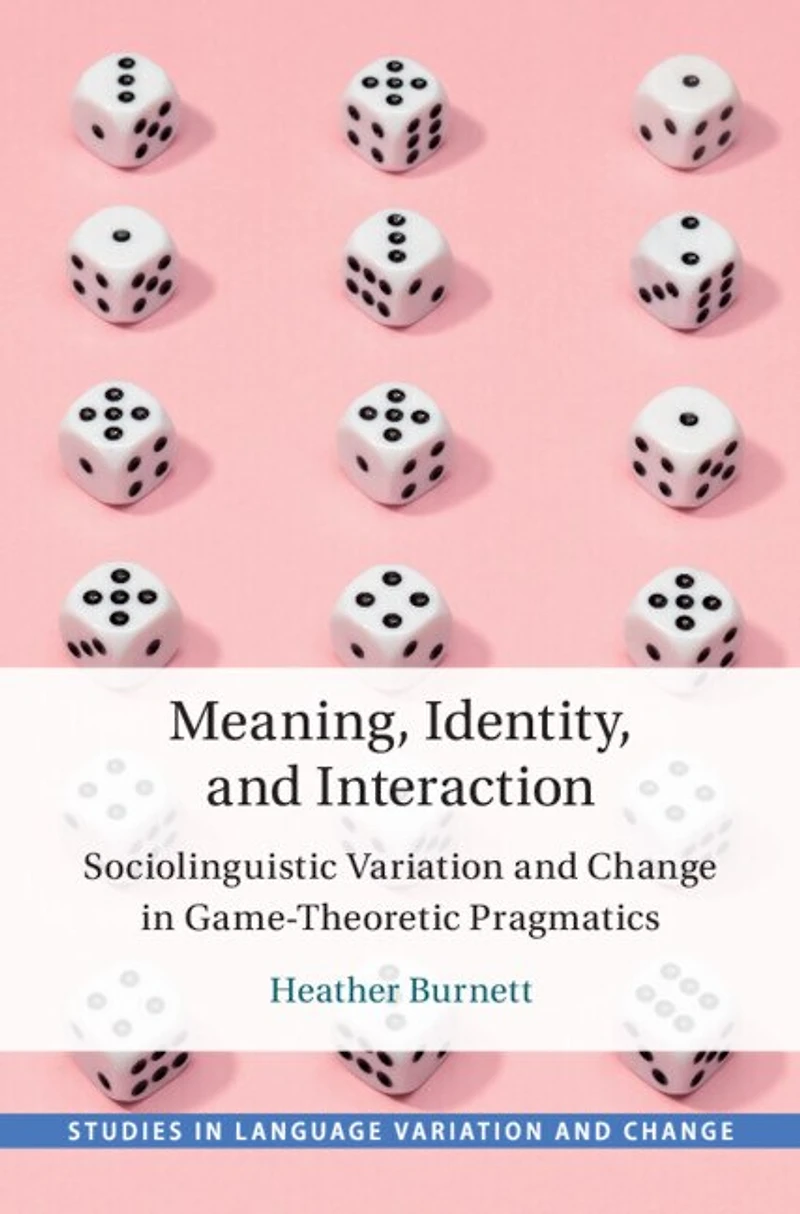
Meaning, Identity, and Interaction: Sociolinguistic Variation and Change in Game-Theoretic Pragmatics in Grande Prairie, AB
Current price: $150.95
Coles
Meaning, Identity, and Interaction: Sociolinguistic Variation and Change in Game-Theoretic Pragmatics in Grande Prairie, AB
Current price: $150.95
Loading Inventory...
Size: Hardcover
*Product information and pricing may vary - to confirm current pricing, availability, shipping, and return information please contact Coles. In the event of a pricing discrepancy, the retailer's price will apply.
Exciting parallel developments have been made in sociolinguistics and formal semantics, yet these two subfields have had very little contact in the past. This pioneering book bridges this gap, bringing together research and methodologies from both areas of study into a new framework for studying the relation between language, ideologies and the social world. It demonstrates how tools from semantics can be used to formalize theories from sociolinguistics, linguistic anthropology and gender studies, and also shows how tools from epistemic game theory can be used to bring those theories in closer line with empirical studies of sociolinguistic variation and identity construction through language. Engaging and accessible, it highlights how a cross-pollination of ideas in sociolinguistics and semantics can open up a completely new empirical domain of research. It is essential reading for sociolinguists interested in meaning, and semanticists and philosophers interested in language in its social context.
Exciting parallel developments have been made in sociolinguistics and formal semantics, yet these two subfields have had very little contact in the past. This pioneering book bridges this gap, bringing together research and methodologies from both areas of study into a new framework for studying the relation between language, ideologies and the social world. It demonstrates how tools from semantics can be used to formalize theories from sociolinguistics, linguistic anthropology and gender studies, and also shows how tools from epistemic game theory can be used to bring those theories in closer line with empirical studies of sociolinguistic variation and identity construction through language. Engaging and accessible, it highlights how a cross-pollination of ideas in sociolinguistics and semantics can open up a completely new empirical domain of research. It is essential reading for sociolinguists interested in meaning, and semanticists and philosophers interested in language in its social context.
You May Also Like










Find at Prairie Mall in Grande Prairie, AB
Visit at Prairie Mall in Grande Prairie, AB