


Gifting Made Simple
Give the Gift of ChoiceClick below to purchase a Prairie Mall eGift Card that can be used at participating retailers at Prairie Mall.Buy Gift CardHome
mathematics Unit planning a PLC at Work®, Grades 3--5: (A guide to collaborative teaching and lesson increase student understanding expected learning outcomes.)
Coles
Loading Inventory...
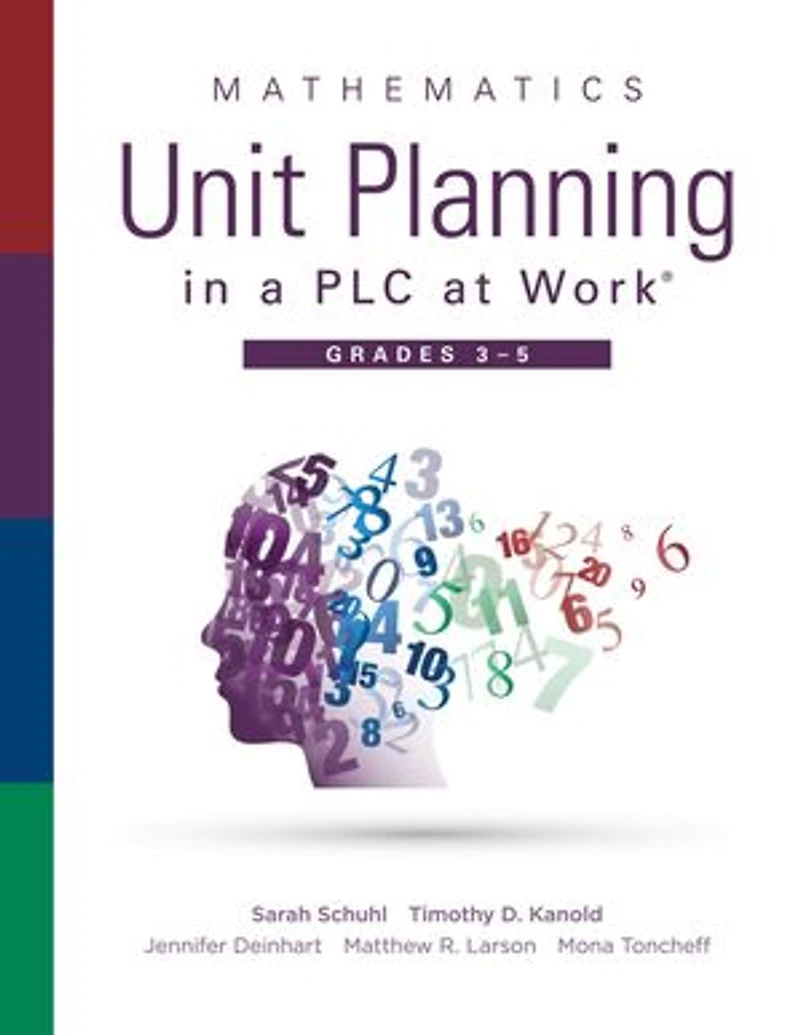
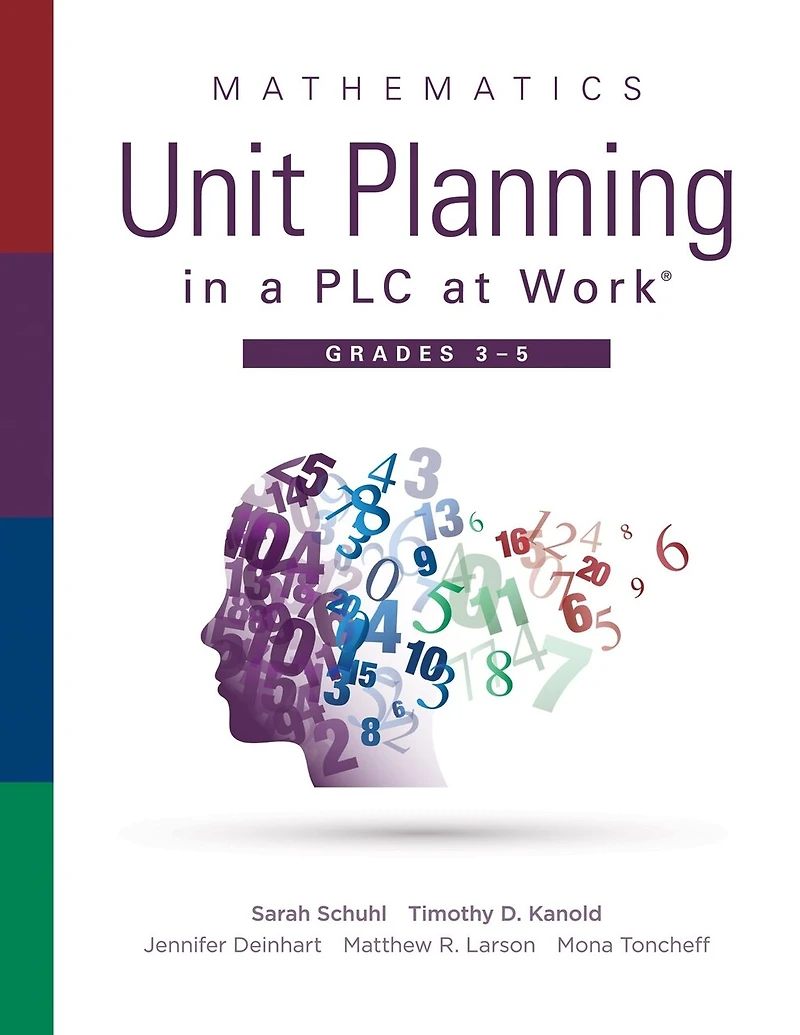
mathematics Unit planning a PLC at Work®, Grades 3--5: (A guide to collaborative teaching and lesson increase student understanding expected learning outcomes.) in Grande Prairie, AB
Current price: $43.99
Original price: $54.99
Coles
mathematics Unit planning a PLC at Work®, Grades 3--5: (A guide to collaborative teaching and lesson increase student understanding expected learning outcomes.) in Grande Prairie, AB
Current price: $43.99
Original price: $54.99
Loading Inventory...
Size: Kobo eBook
*Product information and pricing may vary - to confirm current pricing, availability, shipping, and return information please contact Coles. In the event of a pricing discrepancy, the retailer's price will apply.
Build collaborative teacher teams committed to fostering student self-efficacy and increasing achievement in mathematics. Part of the Every Student Can Learn Mathematics series, this practical resource provides a framework for collectively planning a unit of study in grades 3-5. Grade-level teams will learn how to work together to perform key tasks--from unwrapping standards and creating team unit calendars to determining academic vocabulary and designing robust fraction units. Help your team identify what students need to know by the end of each unit and build student self-efficacy:
Understand how to collaboratively plan thematic units in grades 3-5. Study the seven unit-planning elements and learn how to incorporate each in essential unit design. Review the role of the PLC at Work(R) process in enhancing collaborative student learning and teacher collaboration. Observe three model fraction units, one for each grade level. Receive tools and templates for effective unit planning.
Contents:
Introduction by Timothy D. Kanold
Part 1: Mathematics Unit Planning and Design Elements
Chapter 1: Planning for Student Learning of Mathematics in Grades 3-5
Chapter 2: Unit Planning as a Collaborative Mathematics Team
Part 2: Fraction Unit Examples, Grades 3-5
Chapter 3: Grade 3 Unit--Fraction Understanding
Chapter 4: Grade 4 Unit--Fraction Equivalence, Addition, and Subtraction
Chapter 5: Grade 5 Unit--Fraction Addition and Subtraction
Epilogue: Mathematics Team Organization
Appendix A: Create a Proficiency Map
Appendix B: Checklist and Questions for Mathematics Unit Planning
References and Resources
Build collaborative teacher teams committed to fostering student self-efficacy and increasing achievement in mathematics. Part of the Every Student Can Learn Mathematics series, this practical resource provides a framework for collectively planning a unit of study in grades 3-5. Grade-level teams will learn how to work together to perform key tasks--from unwrapping standards and creating team unit calendars to determining academic vocabulary and designing robust fraction units. Help your team identify what students need to know by the end of each unit and build student self-efficacy:
Understand how to collaboratively plan thematic units in grades 3-5. Study the seven unit-planning elements and learn how to incorporate each in essential unit design. Review the role of the PLC at Work(R) process in enhancing collaborative student learning and teacher collaboration. Observe three model fraction units, one for each grade level. Receive tools and templates for effective unit planning.
Contents:
Introduction by Timothy D. Kanold
Part 1: Mathematics Unit Planning and Design Elements
Chapter 1: Planning for Student Learning of Mathematics in Grades 3-5
Chapter 2: Unit Planning as a Collaborative Mathematics Team
Part 2: Fraction Unit Examples, Grades 3-5
Chapter 3: Grade 3 Unit--Fraction Understanding
Chapter 4: Grade 4 Unit--Fraction Equivalence, Addition, and Subtraction
Chapter 5: Grade 5 Unit--Fraction Addition and Subtraction
Epilogue: Mathematics Team Organization
Appendix A: Create a Proficiency Map
Appendix B: Checklist and Questions for Mathematics Unit Planning
References and Resources
You May Also Like













Find at Prairie Mall in Grande Prairie, AB
Visit at Prairie Mall in Grande Prairie, AB