


Gifting Made Simple
Give the Gift of ChoiceClick below to purchase a Prairie Mall eGift Card that can be used at participating retailers at Prairie Mall.Buy Gift CardHome
Material Culture and Queenship in 14th-century France: The Testament of Blanche of Navarre (1331-1398)
Coles
Loading Inventory...
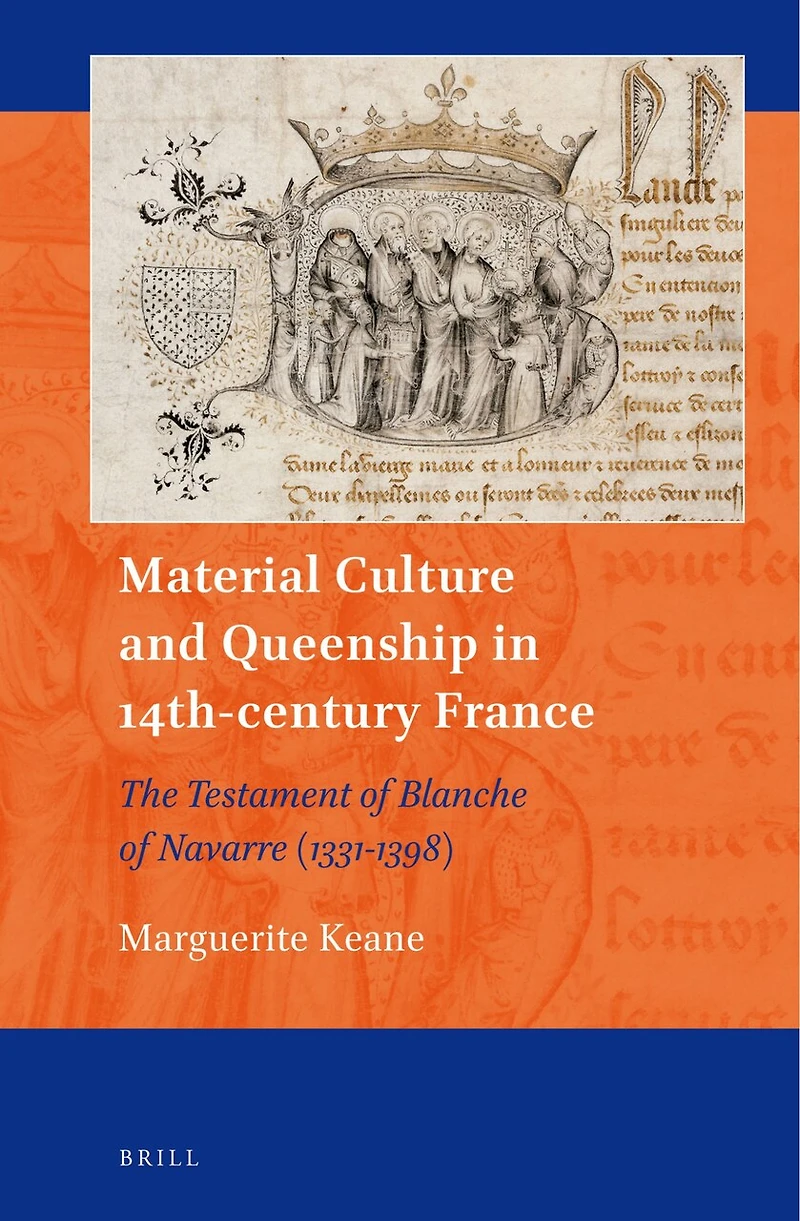
Material Culture and Queenship in 14th-century France: The Testament of Blanche of Navarre (1331-1398) in Grande Prairie, AB
Current price: $220.99
Coles
Material Culture and Queenship in 14th-century France: The Testament of Blanche of Navarre (1331-1398) in Grande Prairie, AB
Current price: $220.99
Loading Inventory...
Size: Hardcover
*Product information and pricing may vary - to confirm current pricing, availability, shipping, and return information please contact Coles. In the event of a pricing discrepancy, the retailer's price will apply.
In Material Culture and Queenship in 14th-century France: The Testament of Blanche of Navarre (1331-1398) Marguerite Keane considers the object collection of the long-lived fourteenth-century French queen Blanche of Navarre, the wife of Philip VI (d. 1350). This queen’s ownership of works of art (books, jewelry, reliquaries, and textiles, among others) and her perceptions of these objects is well -documented because she wrote detailed testaments in 1396 and 1398 in which she described her possessions and who she wished to receive them. Keane connects the patronage of Blanche of Navarre to her interest in her status and reputation as a dowager queen, as well as bringing to life the material, adornment, and devotional interests of a medieval queen and her household.
In Material Culture and Queenship in 14th-century France: The Testament of Blanche of Navarre (1331-1398) Marguerite Keane considers the object collection of the long-lived fourteenth-century French queen Blanche of Navarre, the wife of Philip VI (d. 1350). This queen’s ownership of works of art (books, jewelry, reliquaries, and textiles, among others) and her perceptions of these objects is well -documented because she wrote detailed testaments in 1396 and 1398 in which she described her possessions and who she wished to receive them. Keane connects the patronage of Blanche of Navarre to her interest in her status and reputation as a dowager queen, as well as bringing to life the material, adornment, and devotional interests of a medieval queen and her household.
You May Also Like











Find at Prairie Mall in Grande Prairie, AB
Visit at Prairie Mall in Grande Prairie, AB