


Gifting Made Simple
Give the Gift of ChoiceClick below to purchase a Prairie Mall eGift Card that can be used at participating retailers at Prairie Mall.Buy Gift CardHome
Marks she made: The art and architecture of Begum Samru
Coles
Loading Inventory...
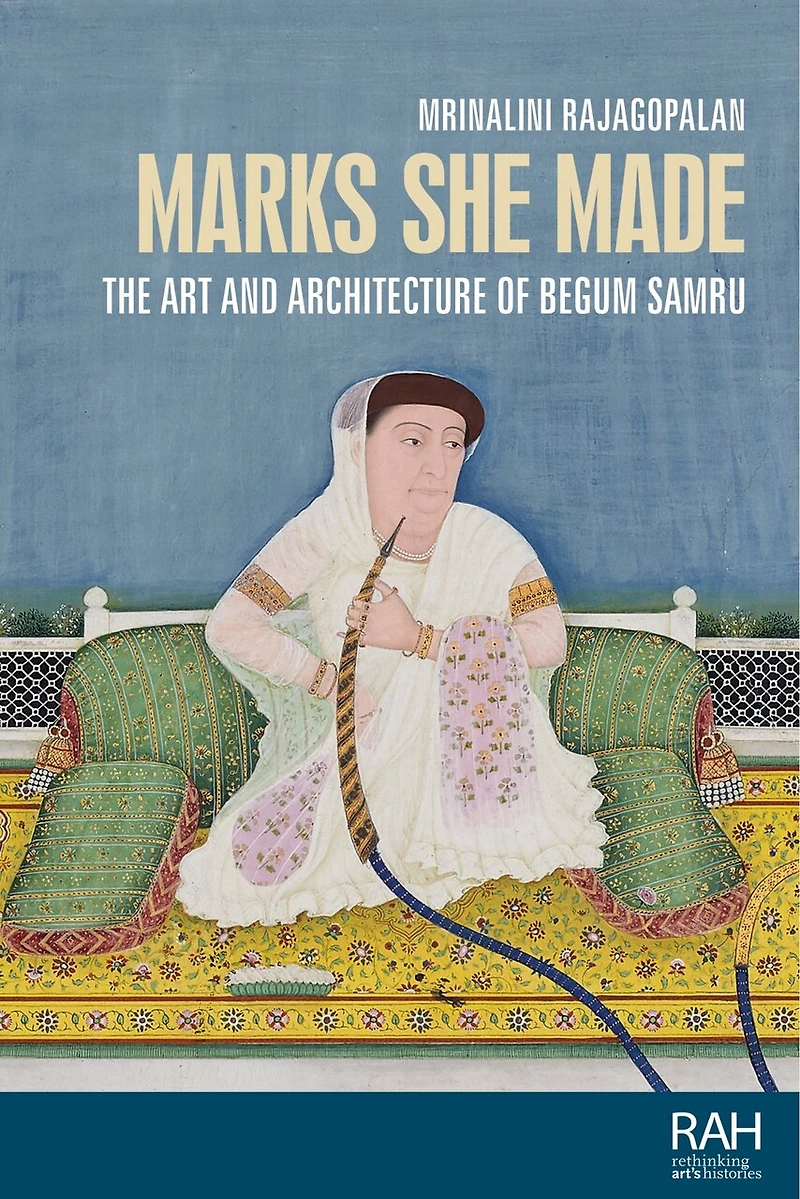
Marks she made: The art and architecture of Begum Samru in Grande Prairie, AB
Current price: $69.99
Coles
Marks she made: The art and architecture of Begum Samru in Grande Prairie, AB
Current price: $69.99
Loading Inventory...
Size: Hardcover
*Product information and pricing may vary - to confirm current pricing, availability, shipping, and return information please contact Coles. In the event of a pricing discrepancy, the retailer's price will apply.
Begum Samru (c.1750–1836) was a remarkable north Indian ruler who used art and architecture to consolidate her social, political, and financial power in early modern India. Rising from the courtesan households of Mughal Delhi, she became commander of her own mercenary army and later the sovereign of Sardhana, an independent territory near Delhi. A trusted ally of both the Mughal emperor and the English East India Company, she corresponded with two popes and with King Louis Philippe of France, exchanging portraits, letters, and architectural plans. Art and architecture were central to shaping her identity—as a powerful yet non-threatening ruler, a Catholic patron, and head of a cosmopolitan court. Her story illuminates how women outside hereditary privilege forged paths to recognition, authority, and even global visibility in nineteenth-century India.
Begum Samru (c.1750–1836) was a remarkable north Indian ruler who used art and architecture to consolidate her social, political, and financial power in early modern India. Rising from the courtesan households of Mughal Delhi, she became commander of her own mercenary army and later the sovereign of Sardhana, an independent territory near Delhi. A trusted ally of both the Mughal emperor and the English East India Company, she corresponded with two popes and with King Louis Philippe of France, exchanging portraits, letters, and architectural plans. Art and architecture were central to shaping her identity—as a powerful yet non-threatening ruler, a Catholic patron, and head of a cosmopolitan court. Her story illuminates how women outside hereditary privilege forged paths to recognition, authority, and even global visibility in nineteenth-century India.
You May Also Like


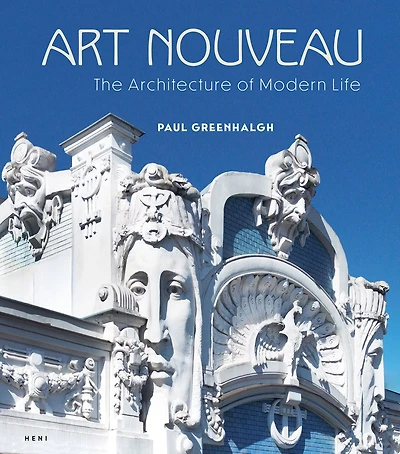
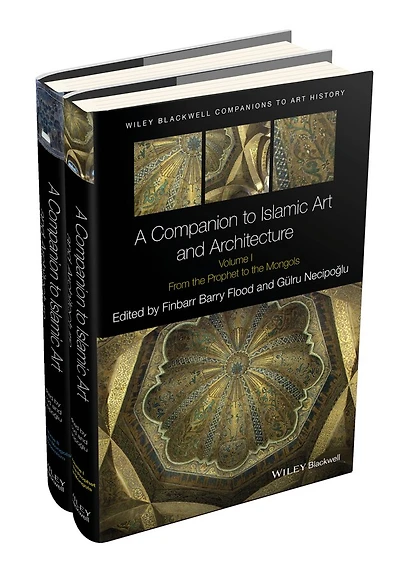








Find at Prairie Mall in Grande Prairie, AB
Visit at Prairie Mall in Grande Prairie, AB