


Gifting Made Simple
Give the Gift of ChoiceClick below to purchase a Prairie Mall eGift Card that can be used at participating retailers at Prairie Mall.Buy Gift CardHome
Market Madness: A Century of Oil Panics, Crises, and Crashes
Coles
Loading Inventory...
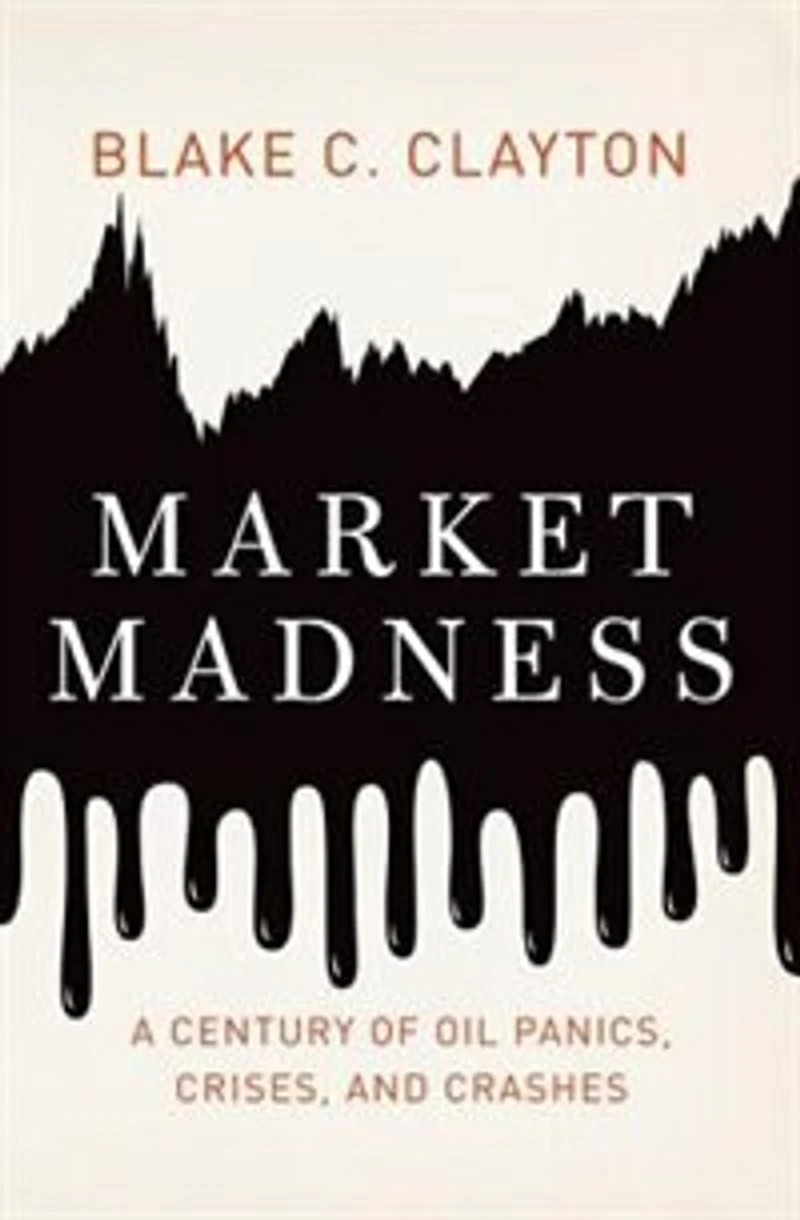
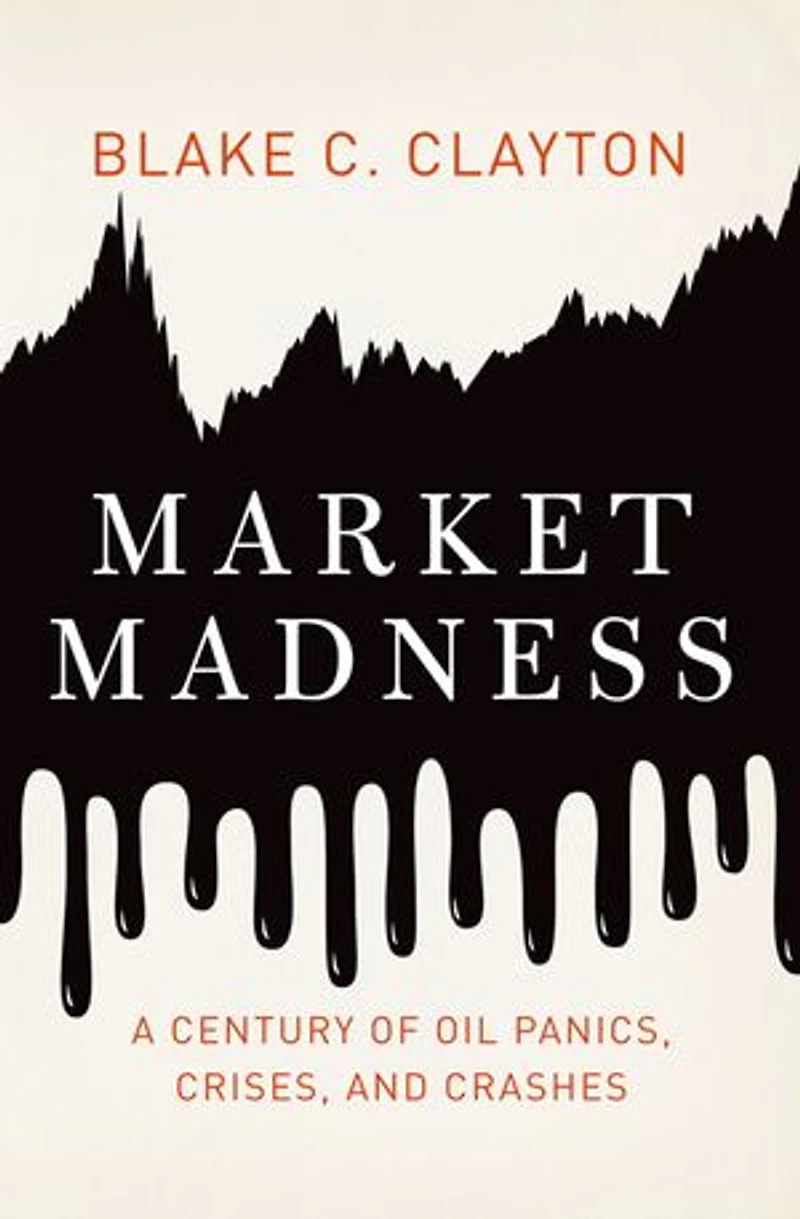
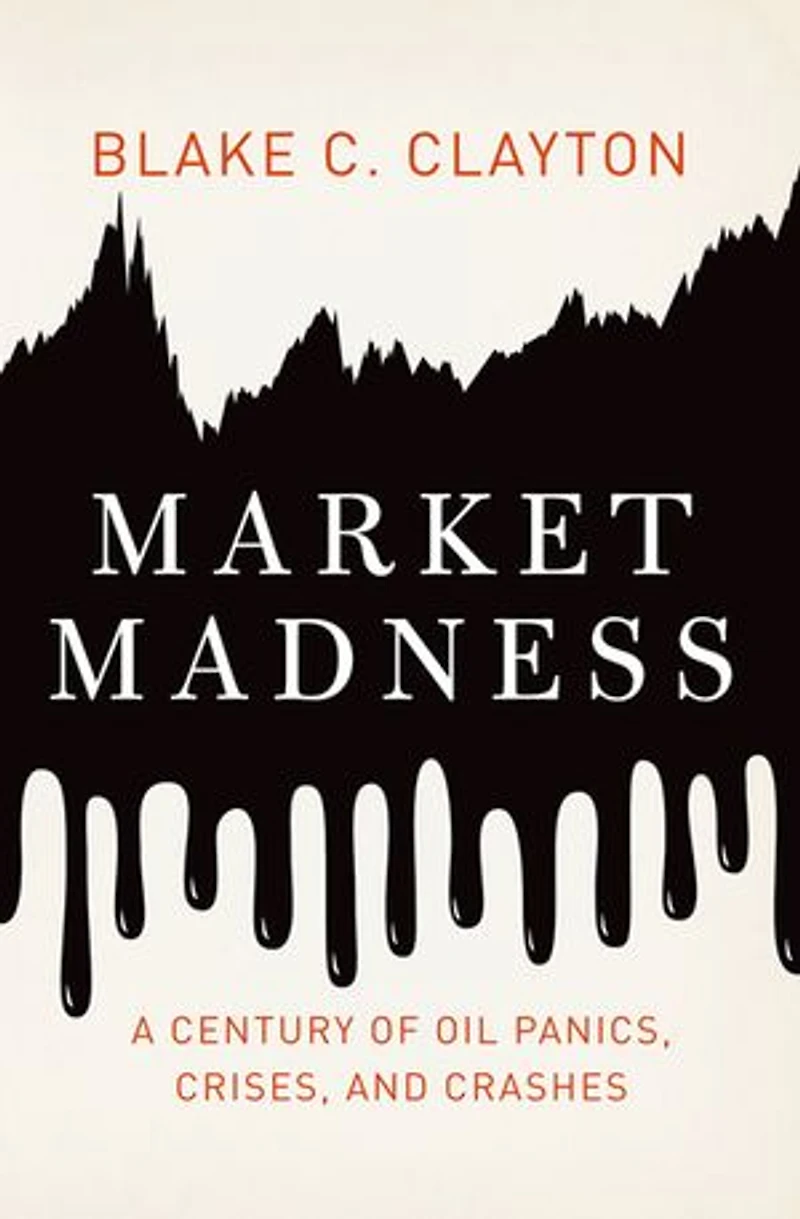
Market Madness: A Century of Oil Panics, Crises, and Crashes in Grande Prairie, AB
Current price: $30.95
Coles
Market Madness: A Century of Oil Panics, Crises, and Crashes in Grande Prairie, AB
Current price: $30.95
Loading Inventory...
Size: Hardcover
*Product information and pricing may vary - to confirm current pricing, availability, shipping, and return information please contact Coles. In the event of a pricing discrepancy, the retailer's price will apply.
Stock market booms are cause for celebration. But when oil prices soar because supplies are failing to keep up with demand, the response is nearly always apocalyptic. Predictions of the end of oil can create anxiety on Wall Street and in Washington, stoking fears that production has hit a ceiling and prices will rise in perpetuity. Yet these dire visions have always proven wrong.
Market Madness is the story of four waves of American anxiety over the last 100 years about a looming end to oil reserves. Their sweeping pattern-as large price increases lead to widespread shortage fears that eventually dissipate when oil production rises again and prices moderate-has defined the wild price swings in the oil market down to the present day.
Blake Clayton, a Wall Street stock analyst and adjunct fellow at the Council on Foreign Relations, makes the case for the need for better information, communication and transparency. While these measures will not eliminate volatility and unpredictability completely, they would mitigate unnecessary price spikes and improve both investor and government decision-making.
Market Madness is the first study to employ Nobel Laureate economist Robert Schiller's "new era economics" beyond the markets to which he famously applied it - the 1990s dot-com equity market and the mid-2000s housing market - in order to better understand the dynamics of speculative bubbles and irrationality in the commodities markets. In so doing, it breaks new ground in illuminating how mass beliefs about the future of a vital asset like oil take shape and what the future of energy may hold.
Stock market booms are cause for celebration. But when oil prices soar because supplies are failing to keep up with demand, the response is nearly always apocalyptic. Predictions of the end of oil can create anxiety on Wall Street and in Washington, stoking fears that production has hit a ceiling and prices will rise in perpetuity. Yet these dire visions have always proven wrong.
Market Madness is the story of four waves of American anxiety over the last 100 years about a looming end to oil reserves. Their sweeping pattern-as large price increases lead to widespread shortage fears that eventually dissipate when oil production rises again and prices moderate-has defined the wild price swings in the oil market down to the present day.
Blake Clayton, a Wall Street stock analyst and adjunct fellow at the Council on Foreign Relations, makes the case for the need for better information, communication and transparency. While these measures will not eliminate volatility and unpredictability completely, they would mitigate unnecessary price spikes and improve both investor and government decision-making.
Market Madness is the first study to employ Nobel Laureate economist Robert Schiller's "new era economics" beyond the markets to which he famously applied it - the 1990s dot-com equity market and the mid-2000s housing market - in order to better understand the dynamics of speculative bubbles and irrationality in the commodities markets. In so doing, it breaks new ground in illuminating how mass beliefs about the future of a vital asset like oil take shape and what the future of energy may hold.
You May Also Like














Find at Prairie Mall in Grande Prairie, AB
Visit at Prairie Mall in Grande Prairie, AB