


Gifting Made Simple
Give the Gift of ChoiceClick below to purchase a Prairie Mall eGift Card that can be used at participating retailers at Prairie Mall.Buy Gift CardHome
Marie Antoinette and the Downfall of Royalty
Coles
Loading Inventory...
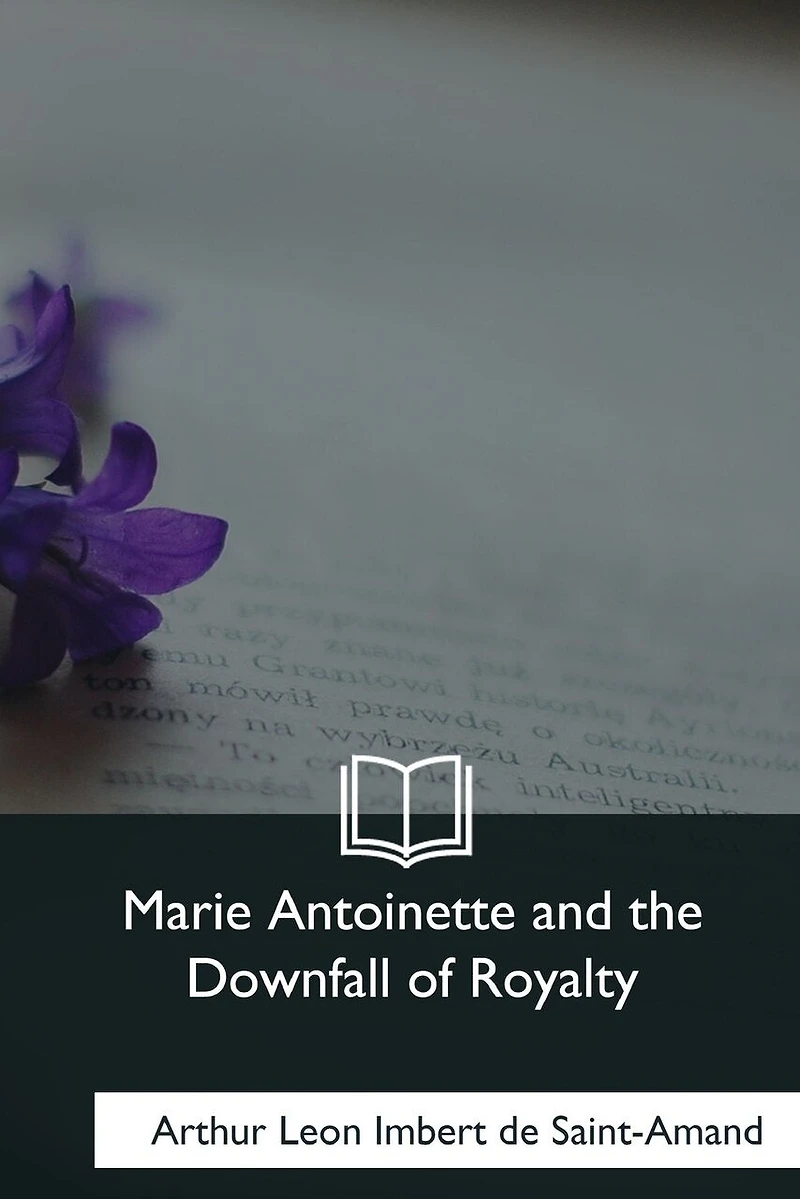
Marie Antoinette and the Downfall of Royalty in Grande Prairie, AB
Current price: $20.95
Coles
Marie Antoinette and the Downfall of Royalty in Grande Prairie, AB
Current price: $20.95
Loading Inventory...
Size: Paperback
*Product information and pricing may vary - to confirm current pricing, availability, shipping, and return information please contact Coles. In the event of a pricing discrepancy, the retailer's price will apply.
In 1789, it was still an exceptional thing for the nobility to emigrate. In 1792, it is the rule. Those among the nobles who have had the courage to remain at Paris in the midst of the furnace, so as to make a rampart for the King of their bodies, seem half ashamed of their generous conduct. The illusions of worldliness have been dispelled. Nearly every salon was open in 1789. In 1792, they are nearly all closed; those of the magistrates and the great capitalists as well as those of the aristocracy. Etiquette is still observed at the Tuileries, but there is no question of fêtes; no balls, no concerts, none of that elegance and animation which once made the court a rendezvous of pleasures. In 1789, illusions, dreams, a naïve expectation of the age of gold, were to be found everywhere. In 1792, eclogues and pastoral poetry are beginning to go out of fashion. The diapason of hatred is pitched higher. Already there is powder and a smell of blood in the air. A general instinct forebodes that France and Europe are on the verge of a terrible duel. On both sides passions have touched their culminating point. Distrust and uneasiness are universal. Every day the despotism of the clubs becomes more threatening. The Jacobins do not reign yet, but they govern. Deputies who, if left to.
In 1789, it was still an exceptional thing for the nobility to emigrate. In 1792, it is the rule. Those among the nobles who have had the courage to remain at Paris in the midst of the furnace, so as to make a rampart for the King of their bodies, seem half ashamed of their generous conduct. The illusions of worldliness have been dispelled. Nearly every salon was open in 1789. In 1792, they are nearly all closed; those of the magistrates and the great capitalists as well as those of the aristocracy. Etiquette is still observed at the Tuileries, but there is no question of fêtes; no balls, no concerts, none of that elegance and animation which once made the court a rendezvous of pleasures. In 1789, illusions, dreams, a naïve expectation of the age of gold, were to be found everywhere. In 1792, eclogues and pastoral poetry are beginning to go out of fashion. The diapason of hatred is pitched higher. Already there is powder and a smell of blood in the air. A general instinct forebodes that France and Europe are on the verge of a terrible duel. On both sides passions have touched their culminating point. Distrust and uneasiness are universal. Every day the despotism of the clubs becomes more threatening. The Jacobins do not reign yet, but they govern. Deputies who, if left to.
You May Also Like



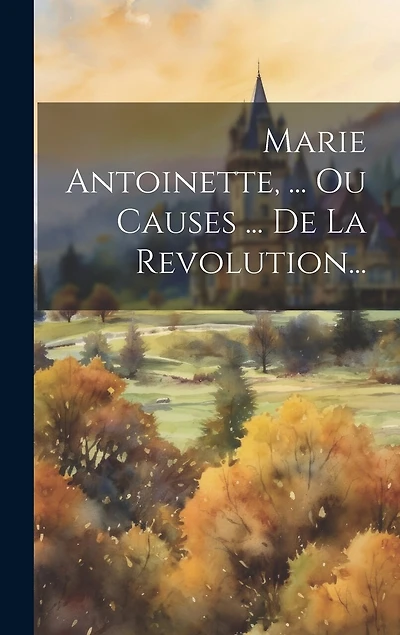








Find at Prairie Mall in Grande Prairie, AB
Visit at Prairie Mall in Grande Prairie, AB