


Gifting Made Simple
Give the Gift of ChoiceClick below to purchase a Prairie Mall eGift Card that can be used at participating retailers at Prairie Mall.Buy Gift CardHome
Maneuver and Exploit: Global South Foreign Policy the Transnational Context
Coles
Loading Inventory...
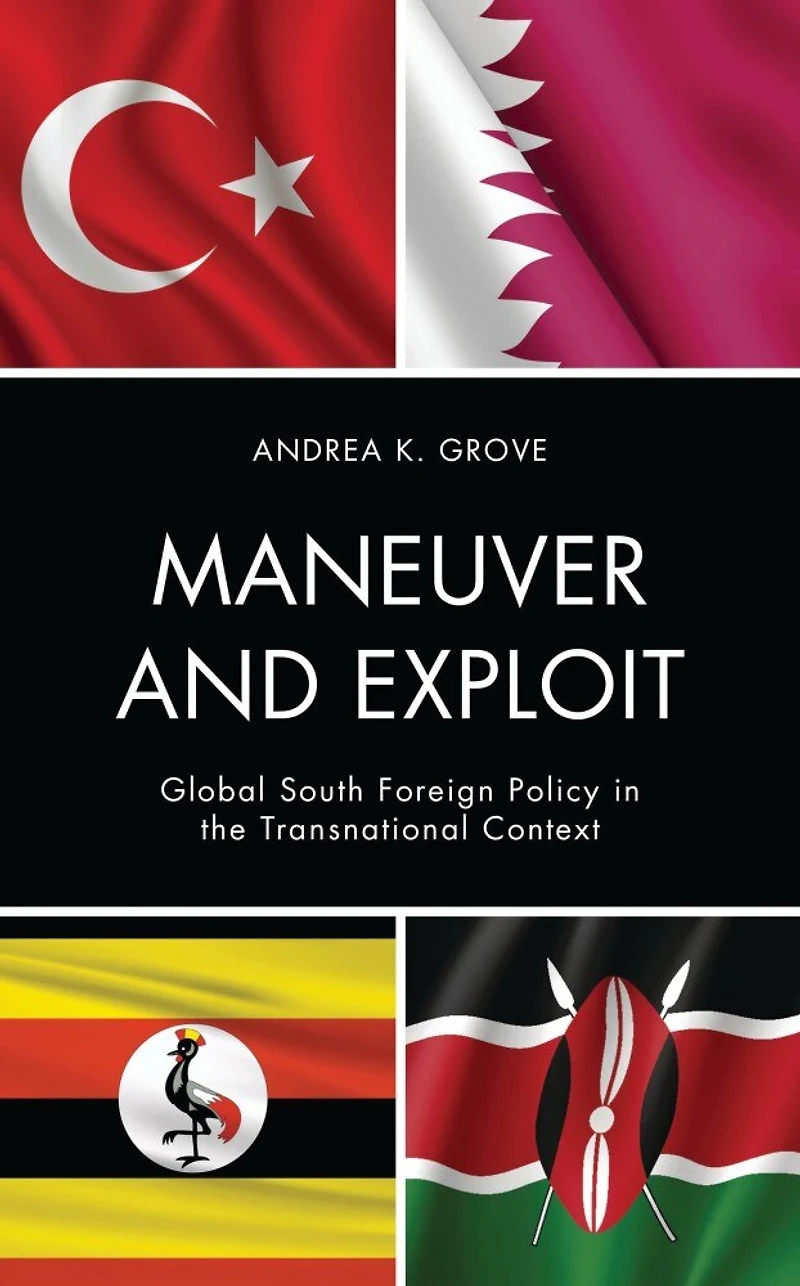
Maneuver and Exploit: Global South Foreign Policy the Transnational Context in Grande Prairie, AB
Current price: $160.95
Coles
Maneuver and Exploit: Global South Foreign Policy the Transnational Context in Grande Prairie, AB
Current price: $160.95
Loading Inventory...
Size: Hardcover
*Product information and pricing may vary - to confirm current pricing, availability, shipping, and return information please contact Coles. In the event of a pricing discrepancy, the retailer's price will apply.
Why do leaders make foreign policy decisions that often appear irrational or engage in major reversals of previous policy to the extent that observers wonder at their intentions? How are leaders in the Global South (GS), the majority of which should lack much influence in international politics, sometimes are able to defy external pressure or even get powerful states to do their bidding? While some analysts focus on domestic politics or on external factors to explain shifts in foreign policy, the GS decision model emphasizes that observers forgo useful insights in applying these categories to occurrences that are in fact transnational-when the domestic and foreign cannot be disentangled. Drawing on the poliheuristic decision making model, which makes political survival paramount, Andrea K. Grove argues that leaders weigh political considerations and eliminate options that do not fit with the most pressing concerns for these leaders: legitimacy and regime security. Application of this model to the cases of Uganda, Kenya, Qatar, and Turkey not only improves understanding of foreign policy pathways but reveals ways in which leaders of developing states can manipulate their tough environments to serve their interests. They can sometimes exploit more powerful countries to raise their state's profile beyond what is warranted by objective measures.
Why do leaders make foreign policy decisions that often appear irrational or engage in major reversals of previous policy to the extent that observers wonder at their intentions? How are leaders in the Global South (GS), the majority of which should lack much influence in international politics, sometimes are able to defy external pressure or even get powerful states to do their bidding? While some analysts focus on domestic politics or on external factors to explain shifts in foreign policy, the GS decision model emphasizes that observers forgo useful insights in applying these categories to occurrences that are in fact transnational-when the domestic and foreign cannot be disentangled. Drawing on the poliheuristic decision making model, which makes political survival paramount, Andrea K. Grove argues that leaders weigh political considerations and eliminate options that do not fit with the most pressing concerns for these leaders: legitimacy and regime security. Application of this model to the cases of Uganda, Kenya, Qatar, and Turkey not only improves understanding of foreign policy pathways but reveals ways in which leaders of developing states can manipulate their tough environments to serve their interests. They can sometimes exploit more powerful countries to raise their state's profile beyond what is warranted by objective measures.










Find at Prairie Mall in Grande Prairie, AB
Visit at Prairie Mall in Grande Prairie, AB