


Gifting Made Simple
Give the Gift of ChoiceClick below to purchase a Prairie Mall eGift Card that can be used at participating retailers at Prairie Mall.Buy Gift CardHome
Managing Meltdowns: Using the S.C.A.R.E.D. Calming Technique with Children and Adults Autism
Coles
Loading Inventory...
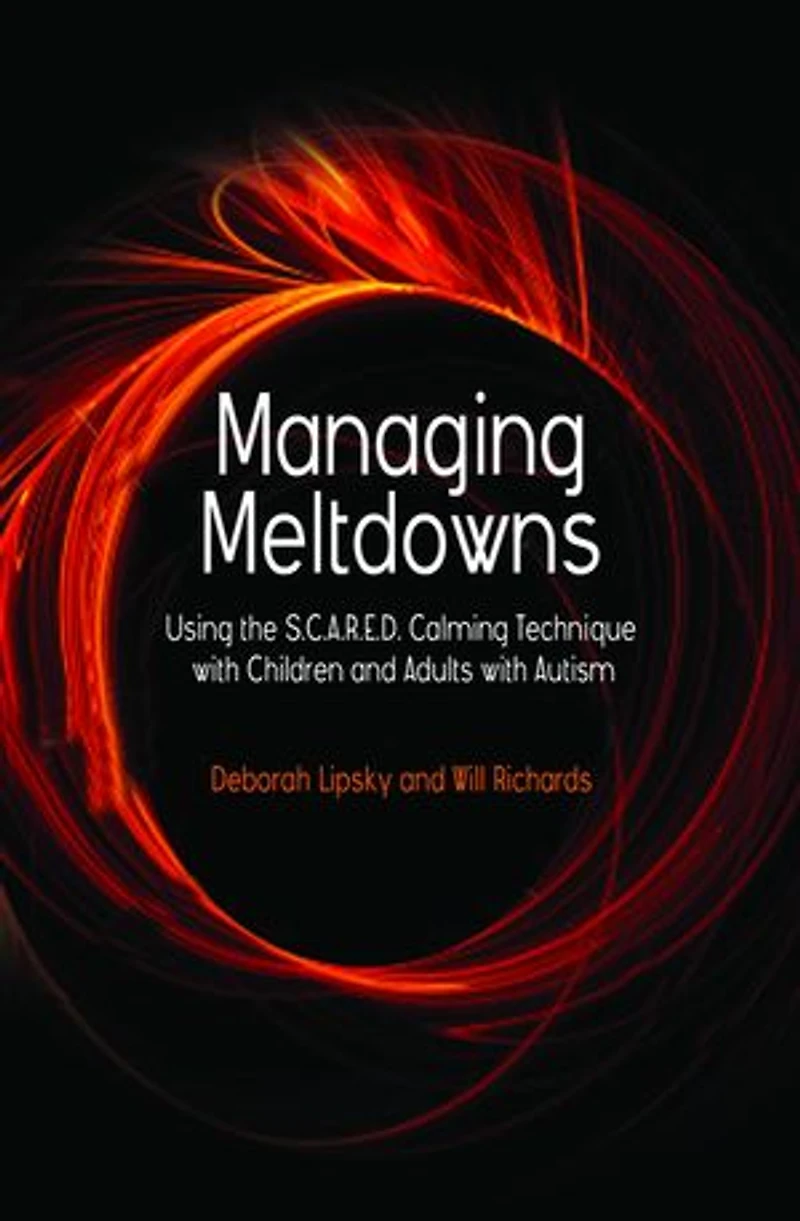
Managing Meltdowns: Using the S.C.A.R.E.D. Calming Technique with Children and Adults Autism
By None
Current price: $19.49
Original price: $24.36
Coles
Managing Meltdowns: Using the S.C.A.R.E.D. Calming Technique with Children and Adults Autism
By None
Current price: $19.49
Original price: $24.36
Loading Inventory...
Size: Kobo eBook
*Product information and pricing may vary - to confirm current pricing, availability, shipping, and return information please contact Coles. In the event of a pricing discrepancy, the retailer's price will apply.
In a chaotic or threatening situation, fear is the primary emotional response of an autistic individual. Often the initial physical response is to freeze. 'Meltdowns', or brain overloads can be scary for the individual with autism, and for the person trying to help if they don't know how to react in this situation. Common coping strategies, such as hand flapping or leg shaking, can be misperceived as being wilful, noncompliant, and uncooperative; and some techniques commonly recommended during times of distress or crisis, such as maintaining eye contact or using light touch, can be counter-productive rather than providing relief. Using the easy-to-remember acronym S.C.A.R.E.D, coined by clinical psychologist Will Richards, this guide offers strategies and practical techniques that will be a valuable reference tool to anyone in a first response position. The authors have created a training programme to explain the autistic experience and mindset, and guide the interventions of first responders to autistic individuals in crisis.
In a chaotic or threatening situation, fear is the primary emotional response of an autistic individual. Often the initial physical response is to freeze. 'Meltdowns', or brain overloads can be scary for the individual with autism, and for the person trying to help if they don't know how to react in this situation. Common coping strategies, such as hand flapping or leg shaking, can be misperceived as being wilful, noncompliant, and uncooperative; and some techniques commonly recommended during times of distress or crisis, such as maintaining eye contact or using light touch, can be counter-productive rather than providing relief. Using the easy-to-remember acronym S.C.A.R.E.D, coined by clinical psychologist Will Richards, this guide offers strategies and practical techniques that will be a valuable reference tool to anyone in a first response position. The authors have created a training programme to explain the autistic experience and mindset, and guide the interventions of first responders to autistic individuals in crisis.
You May Also Like









More About Coles at Prairie Mall
11801 100 St #104, Grande Prairie, AB T8V 3Y2, Canada
Find Coles at Prairie Mall in Grande Prairie, AB
Visit Coles at Prairie Mall in Grande Prairie, AB