


Gifting Made Simple
Give the Gift of ChoiceClick below to purchase a Prairie Mall eGift Card that can be used at participating retailers at Prairie Mall.Buy Gift CardHome
Making Democracy Fun: How Game Design Can Empower Citizens and Transform Politics
Coles
Loading Inventory...
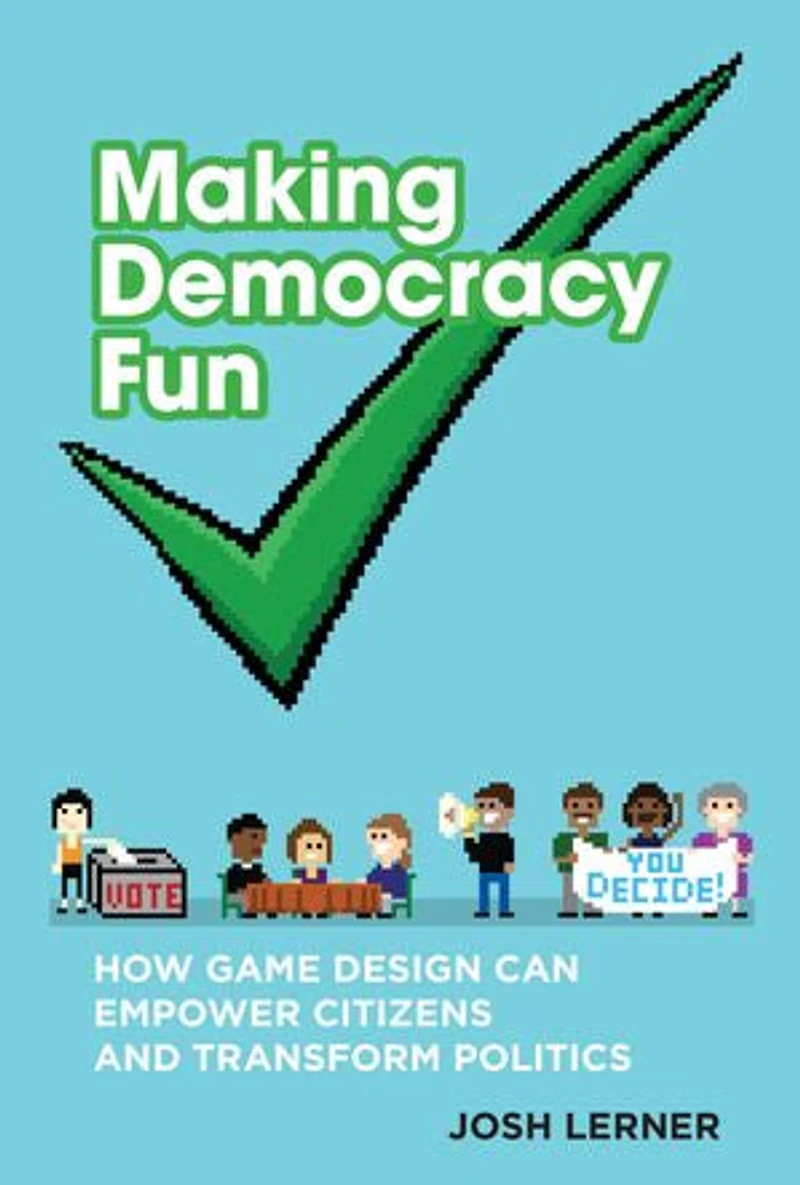
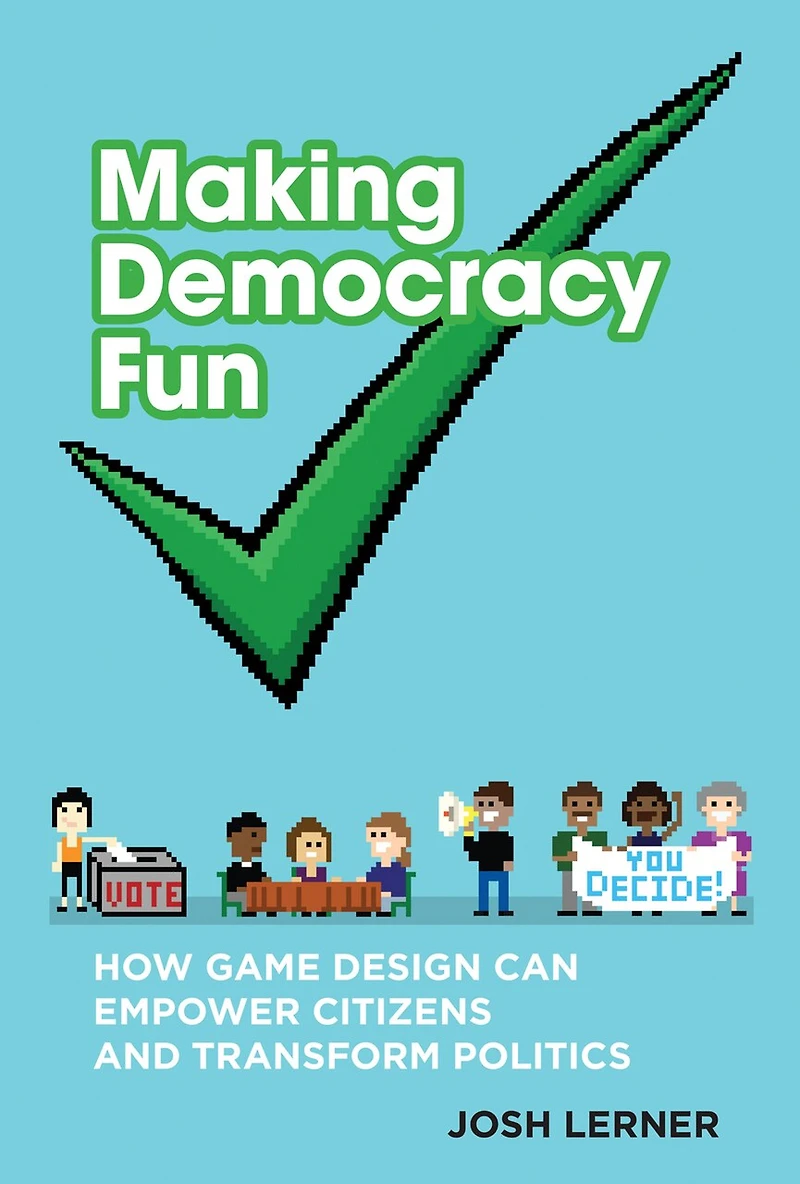
Making Democracy Fun: How Game Design Can Empower Citizens and Transform Politics in Grande Prairie, AB
Current price: $36.79
Original price: $45.99
Coles
Making Democracy Fun: How Game Design Can Empower Citizens and Transform Politics in Grande Prairie, AB
Current price: $36.79
Original price: $45.99
Loading Inventory...
Size: Kobo eBook
*Product information and pricing may vary - to confirm current pricing, availability, shipping, and return information please contact Coles. In the event of a pricing discrepancy, the retailer's price will apply.
Drawing on the tools of game design to fix democracy.
Anyone who has ever been to a public hearing or community meeting would agree that participatory democracy can be boring. Hours of repetitive presentations, alternatingly alarmist or complacent, for or against, accompanied by constant heckling, often with no clear outcome or decision. Is this the best democracy can offer? In Making Democracy Fun , Josh Lerner offers a novel solution for the sad state of our deliberative democracy: the power of good game design. What if public meetings featured competition and collaboration (such as team challenges), clear rules (presented and modeled in multiple ways), measurable progress (such as scores and levels), and engaging sounds and visuals? These game mechanics would make meetings more effective and more enjoyable—even fun.
Lerner reports that institutions as diverse as the United Nations, the U.S. Army, and grassroots community groups are already using games and game-like processes to encourage participation. Drawing on more than a decade of practical experience and extensive research, he explains how games have been integrated into a variety of public programs in North and South America. He offers rich stories of game techniques in action, in children's councils, social service programs, and participatory budgeting and planning. With these real-world examples in mind, Lerner describes five kinds of games and twenty-six game mechanics that are especially relevant for democracy. He finds that when governments and organizations use games and design their programs to be more like games, public participation becomes more attractive, effective, and transparent. Game design can make democracy fun—and make it work.
Drawing on the tools of game design to fix democracy.
Anyone who has ever been to a public hearing or community meeting would agree that participatory democracy can be boring. Hours of repetitive presentations, alternatingly alarmist or complacent, for or against, accompanied by constant heckling, often with no clear outcome or decision. Is this the best democracy can offer? In Making Democracy Fun , Josh Lerner offers a novel solution for the sad state of our deliberative democracy: the power of good game design. What if public meetings featured competition and collaboration (such as team challenges), clear rules (presented and modeled in multiple ways), measurable progress (such as scores and levels), and engaging sounds and visuals? These game mechanics would make meetings more effective and more enjoyable—even fun.
Lerner reports that institutions as diverse as the United Nations, the U.S. Army, and grassroots community groups are already using games and game-like processes to encourage participation. Drawing on more than a decade of practical experience and extensive research, he explains how games have been integrated into a variety of public programs in North and South America. He offers rich stories of game techniques in action, in children's councils, social service programs, and participatory budgeting and planning. With these real-world examples in mind, Lerner describes five kinds of games and twenty-six game mechanics that are especially relevant for democracy. He finds that when governments and organizations use games and design their programs to be more like games, public participation becomes more attractive, effective, and transparent. Game design can make democracy fun—and make it work.
You May Also Like








Find at Prairie Mall in Grande Prairie, AB
Visit at Prairie Mall in Grande Prairie, AB