


Gifting Made Simple
Give the Gift of ChoiceClick below to purchase a Prairie Mall eGift Card that can be used at participating retailers at Prairie Mall.Buy Gift CardHome
Making Best Use Of Your Lihtc Dollars: A Planning Paper For State Policy Makers
Coles
Loading Inventory...
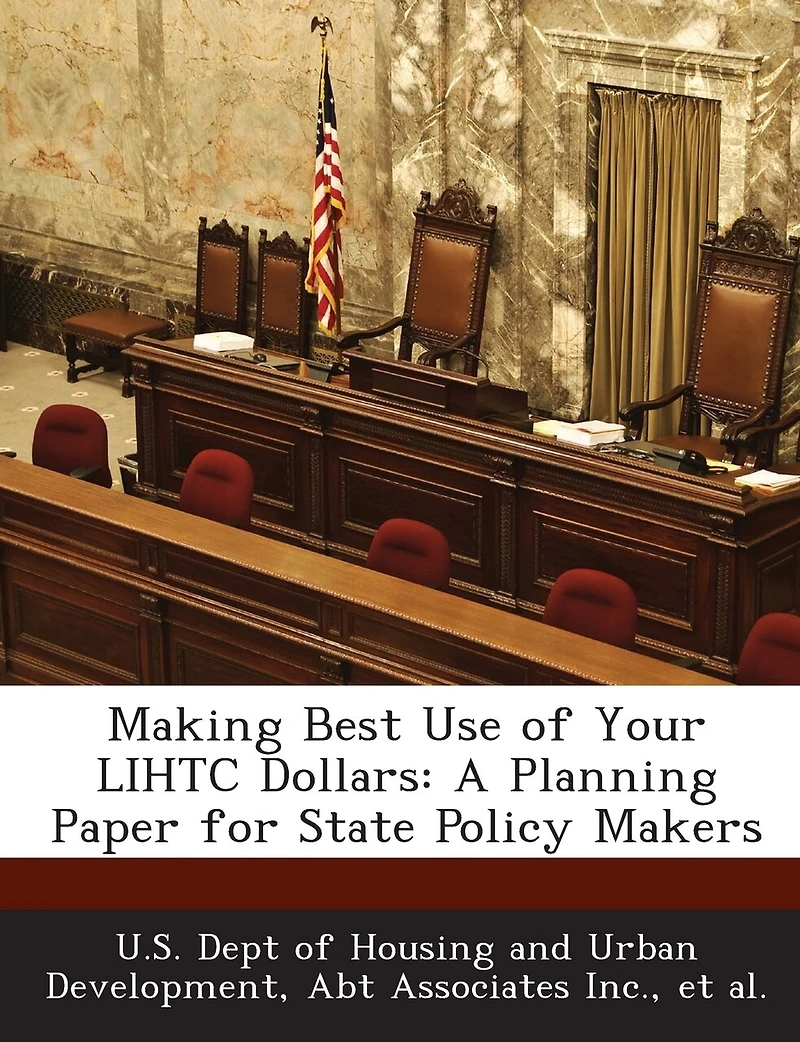
Making Best Use Of Your Lihtc Dollars: A Planning Paper For State Policy Makers in Grande Prairie, AB
Current price: $18.99
Coles
Making Best Use Of Your Lihtc Dollars: A Planning Paper For State Policy Makers in Grande Prairie, AB
Current price: $18.99
Loading Inventory...
Size: Paperback
*Product information and pricing may vary - to confirm current pricing, availability, shipping, and return information please contact Coles. In the event of a pricing discrepancy, the retailer's price will apply.
This paper is intended to help state officials think about how to make strategic use of the Low Income Housing Tax Credit (LIHTC), which since the late 1980s has been the primary vehicle for building or rehabilitating housing with rents affordable to low income families and individuals. The paper provides a framework for state decision-making, based on research and theory about where and for whom the development of subsidized rental housing is most effective. The paper draws heavily on a literature review and empirical analysis conducted for HUD's Office of Policy Development and Research in 2003 and early 2004. It presents the implications of findings from a large body of research.
The paper takes no account of "political reality," because every state has its own. Every state could implement some of the approaches that the growing expert literature suggests, and many states are already trying to do so.
This paper is intended to help state officials think about how to make strategic use of the Low Income Housing Tax Credit (LIHTC), which since the late 1980s has been the primary vehicle for building or rehabilitating housing with rents affordable to low income families and individuals. The paper provides a framework for state decision-making, based on research and theory about where and for whom the development of subsidized rental housing is most effective. The paper draws heavily on a literature review and empirical analysis conducted for HUD's Office of Policy Development and Research in 2003 and early 2004. It presents the implications of findings from a large body of research.
The paper takes no account of "political reality," because every state has its own. Every state could implement some of the approaches that the growing expert literature suggests, and many states are already trying to do so.
You May Also Like















Find at Prairie Mall in Grande Prairie, AB
Visit at Prairie Mall in Grande Prairie, AB