


Gifting Made Simple
Give the Gift of ChoiceClick below to purchase a Prairie Mall eGift Card that can be used at participating retailers at Prairie Mall.Buy Gift CardHome
Lyric Journey: Poetic Painting in China and Japan
Coles
Loading Inventory...
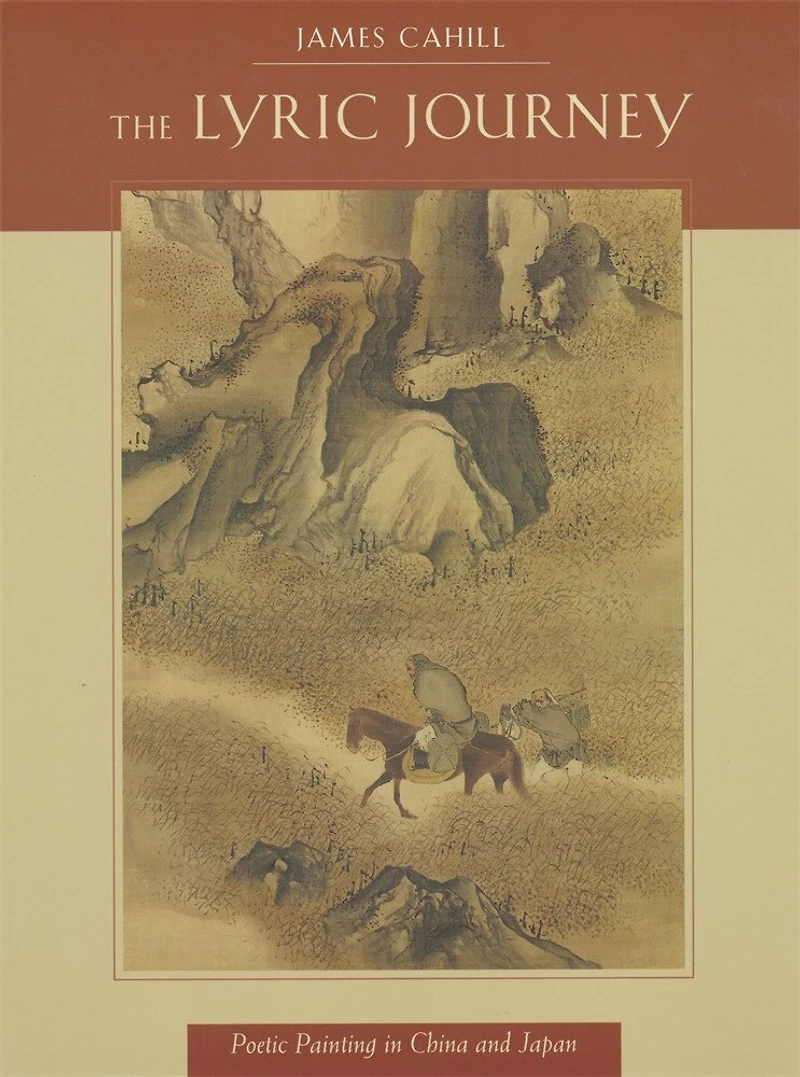
Lyric Journey: Poetic Painting in China and Japan in Grande Prairie, AB
Current price: $290.00
Coles
Lyric Journey: Poetic Painting in China and Japan in Grande Prairie, AB
Current price: $290.00
Loading Inventory...
Size: Hardcover
*Product information and pricing may vary - to confirm current pricing, availability, shipping, and return information please contact Coles. In the event of a pricing discrepancy, the retailer's price will apply.
Creating paintings with poetic resonances, sometimes with ties to specific lines of poetry, is a practice that began in China in the eleventh century, the Northern Sung period. James Cahill vividly surveys its first great flowering among artists working in the Southern Sung capital of Hangchou, probably the largest and certainly the richest city on earth in this era. He shows us the revival of poetic painting by late Ming artists working in the prosperous city of Suchou. And we learn how artists in Edo-period Japan, notably the eighteenth-century Nanga masters and the painter and haiku poet Yosa Buson, transformed the style into a uniquely Japanese vehicle of expression.
In all cases, Cahill shows, poetic painting flourished in crowded urban environments; it accompanied an outpouring of poetry celebrating the pastoral, escape from the city, immersion in nature. An ideal of the return to a life close to nature—the “lyric journey”—underlies many of the finest, most moving paintings of China and Japan, and offers a key for understanding them.
Creating paintings with poetic resonances, sometimes with ties to specific lines of poetry, is a practice that began in China in the eleventh century, the Northern Sung period. James Cahill vividly surveys its first great flowering among artists working in the Southern Sung capital of Hangchou, probably the largest and certainly the richest city on earth in this era. He shows us the revival of poetic painting by late Ming artists working in the prosperous city of Suchou. And we learn how artists in Edo-period Japan, notably the eighteenth-century Nanga masters and the painter and haiku poet Yosa Buson, transformed the style into a uniquely Japanese vehicle of expression.
In all cases, Cahill shows, poetic painting flourished in crowded urban environments; it accompanied an outpouring of poetry celebrating the pastoral, escape from the city, immersion in nature. An ideal of the return to a life close to nature—the “lyric journey”—underlies many of the finest, most moving paintings of China and Japan, and offers a key for understanding them.
You May Also Like








Find at Prairie Mall in Grande Prairie, AB
Visit at Prairie Mall in Grande Prairie, AB