


Gifting Made Simple
Give the Gift of ChoiceClick below to purchase a Prairie Mall eGift Card that can be used at participating retailers at Prairie Mall.Buy Gift CardHome
Luftwaffe Airlift in the Tunisian Bridgehead: Expeditionary Lessons for a Transformation Age
Coles
Loading Inventory...
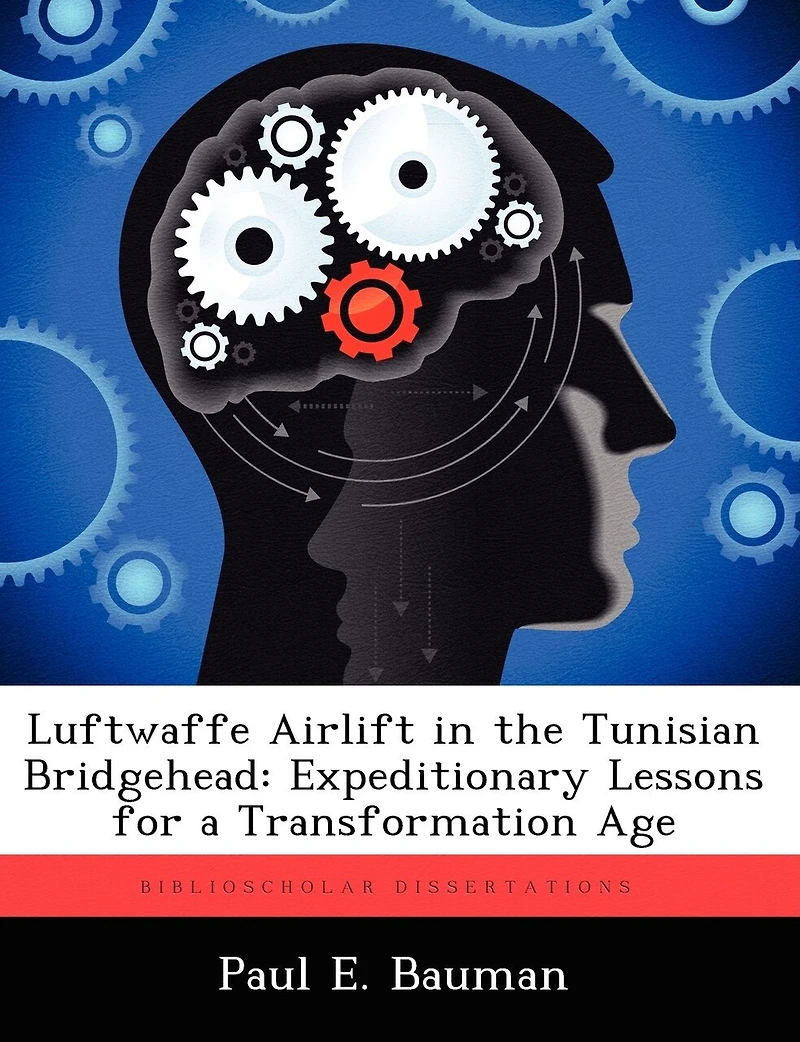
Luftwaffe Airlift in the Tunisian Bridgehead: Expeditionary Lessons for a Transformation Age in Grande Prairie, AB
Current price: $59.00
Coles
Luftwaffe Airlift in the Tunisian Bridgehead: Expeditionary Lessons for a Transformation Age in Grande Prairie, AB
Current price: $59.00
Loading Inventory...
Size: Paperback
*Product information and pricing may vary - to confirm current pricing, availability, shipping, and return information please contact Coles. In the event of a pricing discrepancy, the retailer's price will apply.
In an age where Department of Defense policy calls for a lighter, leaner US military, the German experience in North Africa during World War II provides an interesting case study. American military transformation aims to make the US armed forces more capable of rapid, global expeditionary operations. The goals and timelines associated with US military policy make the use of airlift for shaping, deployment, employment, and redeployment for expeditionary operations absolutely essential. In short, US strategy has become dependent on the expeditionary capabilities of its military, which are in turn reliant on the speed and reach of air lines-of-communication. By studying German operations in Tunisia from November 1942 to May 1943, American strategists can gain valuable insights into the nexus between strategy and expeditionary operations conducted over strategic distances.
In an age where Department of Defense policy calls for a lighter, leaner US military, the German experience in North Africa during World War II provides an interesting case study. American military transformation aims to make the US armed forces more capable of rapid, global expeditionary operations. The goals and timelines associated with US military policy make the use of airlift for shaping, deployment, employment, and redeployment for expeditionary operations absolutely essential. In short, US strategy has become dependent on the expeditionary capabilities of its military, which are in turn reliant on the speed and reach of air lines-of-communication. By studying German operations in Tunisia from November 1942 to May 1943, American strategists can gain valuable insights into the nexus between strategy and expeditionary operations conducted over strategic distances.
You May Also Like

















Find at Prairie Mall in Grande Prairie, AB
Visit at Prairie Mall in Grande Prairie, AB