


Gifting Made Simple
Give the Gift of ChoiceClick below to purchase a Prairie Mall eGift Card that can be used at participating retailers at Prairie Mall.Buy Gift CardHome
Long Island Rail Road: Morris Park Shops
Coles
Loading Inventory...
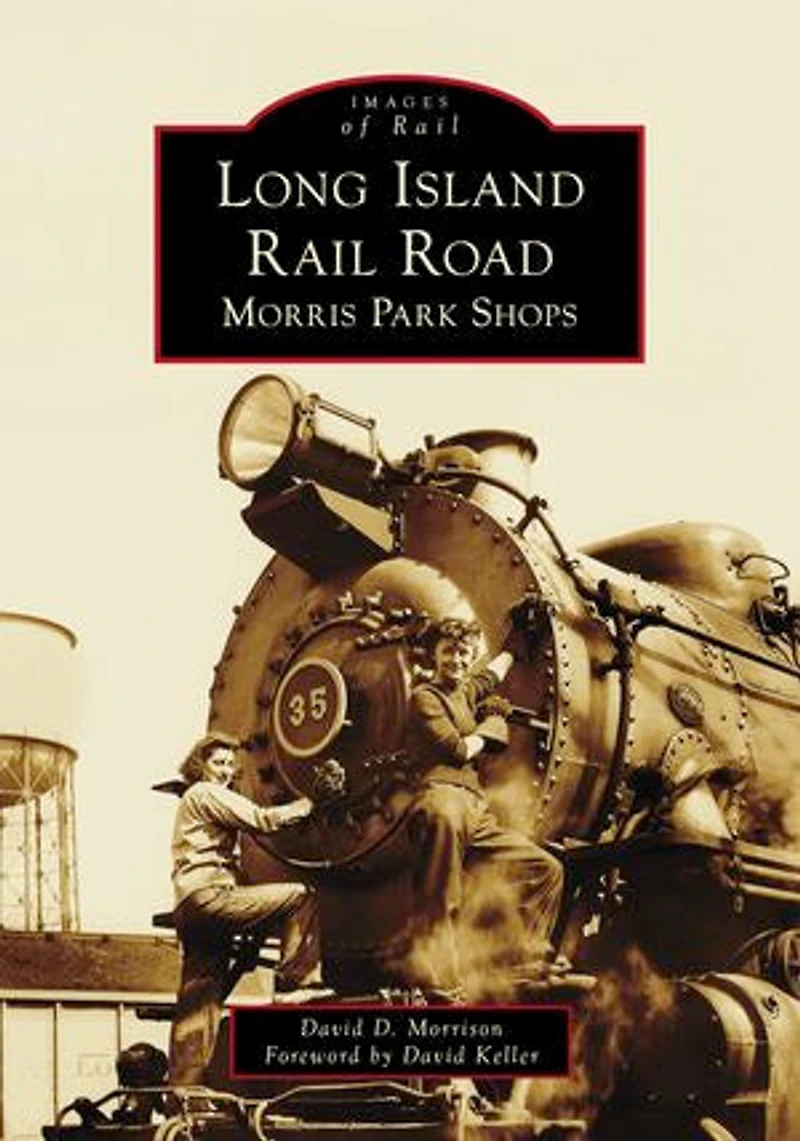
Long Island Rail Road: Morris Park Shops in Grande Prairie, AB
Current price: $13.80
Coles
Long Island Rail Road: Morris Park Shops in Grande Prairie, AB
Current price: $13.80
Loading Inventory...
Size: Kobo eBook
*Product information and pricing may vary - to confirm current pricing, availability, shipping, and return information please contact Coles. In the event of a pricing discrepancy, the retailer's price will apply.
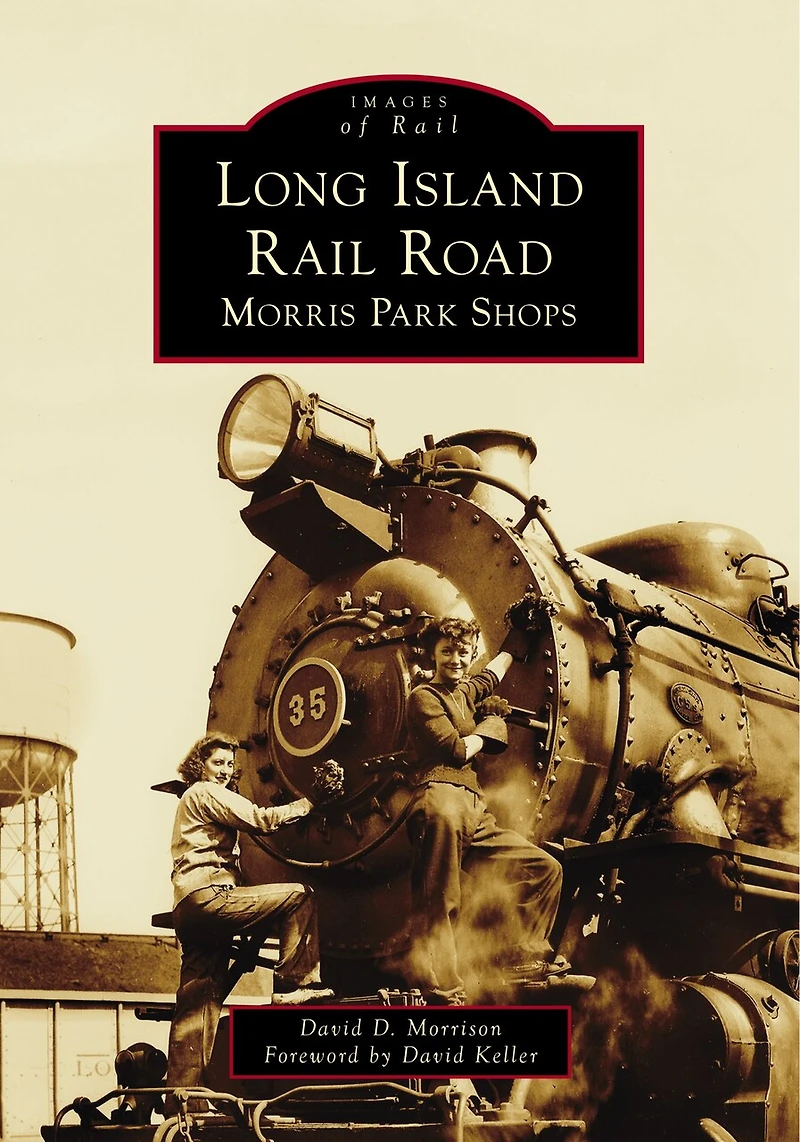
David D. Morrison, retired Long Island Rail Road (LIRR) branch line manager and railroad historian, has compiled rare photographs to showcase the shops that power the LIRR, the busiest railroad in North America. The LIRR provides passenger rail service from Midtown Manhattan to to the far ends of Long Island at Greenport and Montauk. A vast operation such as this requires a huge fleet of locomotives and cars. The reliability of the fleet rests mainly upon the shop maintenance facility. The Morris Park Shops, opened in 1889 and closed in the early 2000s, provided over a century of maintenance and repair service, allowing the LIRR to develop and expand through the years. The complexity of the shop facility, from the days of steam locomotives to multiple-unit electric cars and diesel locomotives, is a fascinating chapter in LIRR history.
David D. Morrison, retired Long Island Rail Road (LIRR) branch line manager and railroad historian, has compiled rare photographs to showcase the shops that power the LIRR, the busiest railroad in North America. The LIRR provides passenger rail service from Midtown Manhattan to to the far ends of Long Island at Greenport and Montauk. A vast operation such as this requires a huge fleet of locomotives and cars. The reliability of the fleet rests mainly upon the shop maintenance facility. The Morris Park Shops, opened in 1889 and closed in the early 2000s, provided over a century of maintenance and repair service, allowing the LIRR to develop and expand through the years. The complexity of the shop facility, from the days of steam locomotives to multiple-unit electric cars and diesel locomotives, is a fascinating chapter in LIRR history.
You May Also Like









Find at Prairie Mall in Grande Prairie, AB
Visit at Prairie Mall in Grande Prairie, AB