


Gifting Made Simple
Give the Gift of ChoiceClick below to purchase a Prairie Mall eGift Card that can be used at participating retailers at Prairie Mall.Buy Gift CardHome
Local Matters: Race, Crime, and Justice the Nineteenth-Century South
Coles
Loading Inventory...
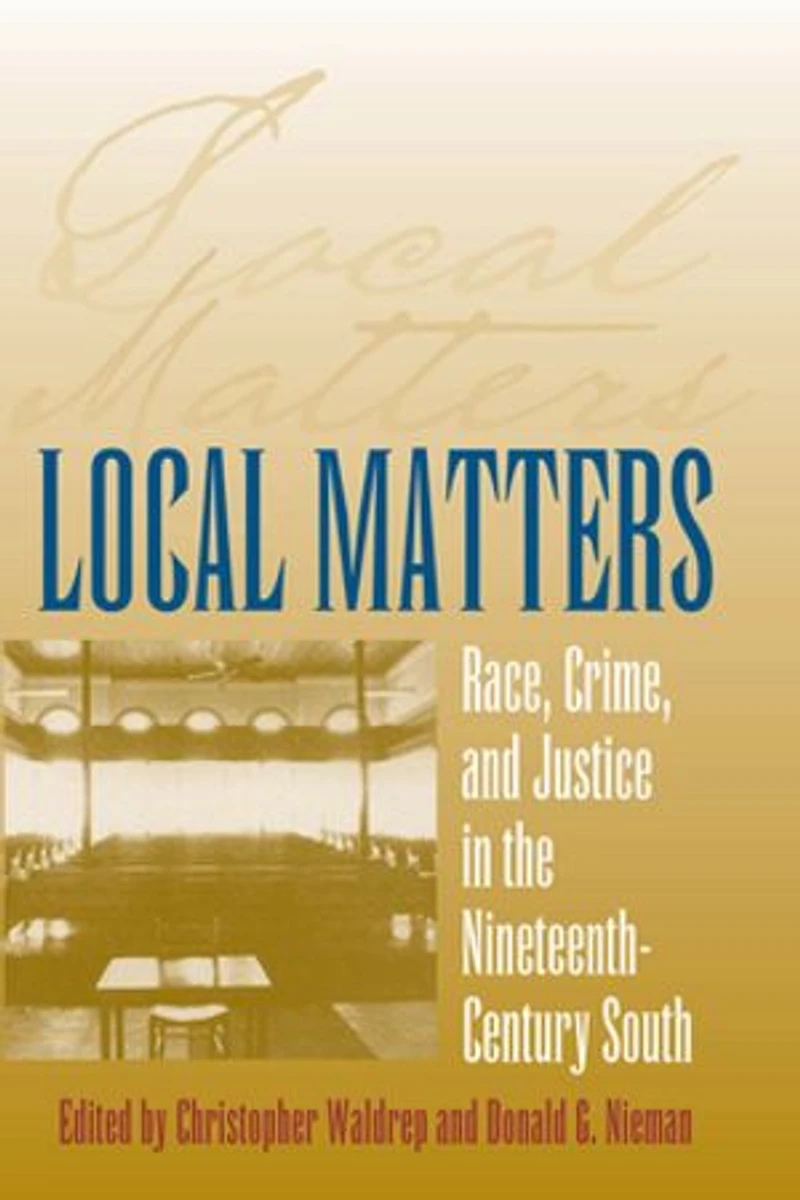
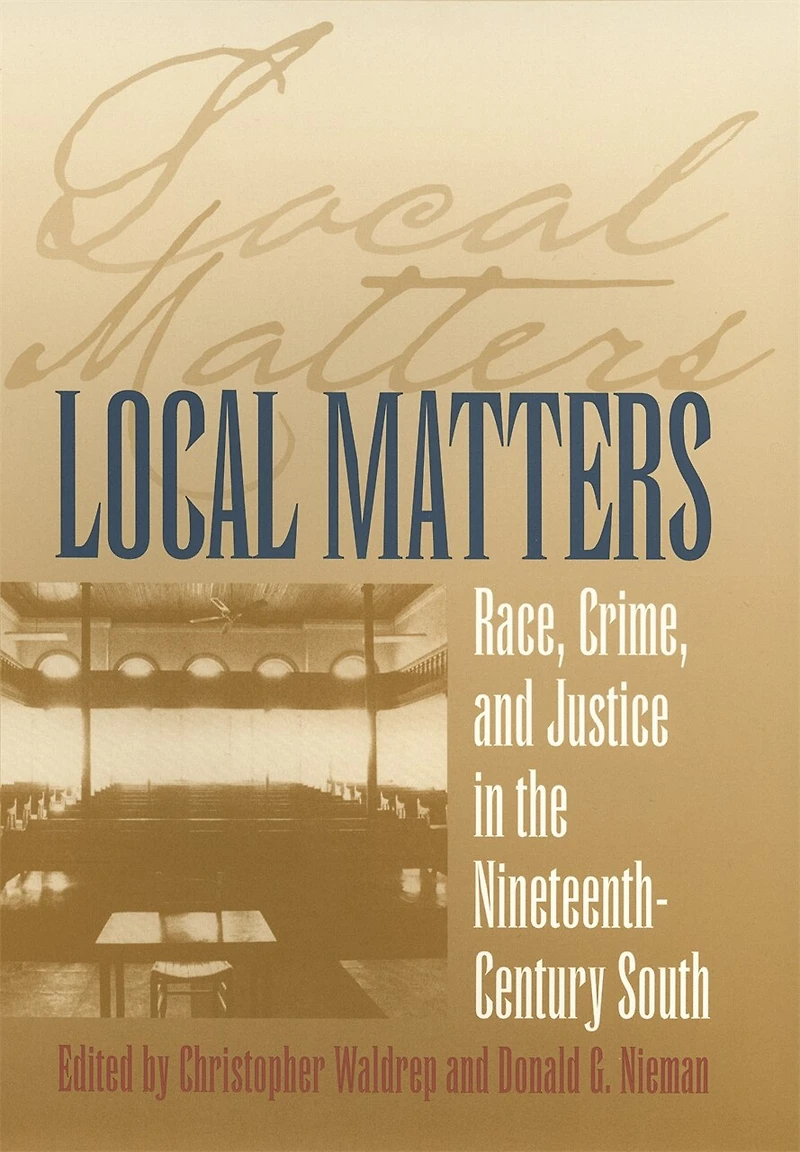
Local Matters: Race, Crime, and Justice the Nineteenth-Century South in Grande Prairie, AB
Current price: $35.79
Original price: $44.72
Coles
Local Matters: Race, Crime, and Justice the Nineteenth-Century South in Grande Prairie, AB
Current price: $35.79
Original price: $44.72
Loading Inventory...
Size: Kobo eBook
*Product information and pricing may vary - to confirm current pricing, availability, shipping, and return information please contact Coles. In the event of a pricing discrepancy, the retailer's price will apply.
Much of the current reassessment of race, culture, and criminal justice in the nineteenth-century South has been based on intensive community studies. Drawing on previously untapped sources, the nine original papers collected here represent some of the best new work on how racial justice can be shaped by the particulars of time and place.
Although each essay is anchored in the local, several important larger themes emerge across the volume-such as the importance of personality and place, the movement of former slaves from the capriciousness of "plantation justice" to the (theoretically) more evenhanded processes of the courts, and the increased presence of government in daily aspects of American life.
Local Matters cites a wide range of examples to support these themes. One essay considers the case of a quasi-free slave in Natchez, Mississippi-himself a slaveowner-who was "reined in" by his master through the courts, while another shows how federal aims were subverted during trials held in the aftermath of the 1876 race riots in Ellenton, South Carolina. Other topics covered include the fear of black criminality as a motivation of Klan activity; the career of Thomas Ruffin, slaveowner and North Carolina Supreme Court Justice; blacks and the ballot in Washington County, Texas; the overturned murder conviction of a North Carolina slave who had killed a white man; the formation of a powerful white bloc in Vicksburg, Mississippi; agitation by black and white North Carolina women for greater protections from abusive white male elites; and slaves, crime, and the common law in New Orleans.
Together, these studies offer new insights into the nature of law and the fate of due process at different stages of a highly racialized society.
Much of the current reassessment of race, culture, and criminal justice in the nineteenth-century South has been based on intensive community studies. Drawing on previously untapped sources, the nine original papers collected here represent some of the best new work on how racial justice can be shaped by the particulars of time and place.
Although each essay is anchored in the local, several important larger themes emerge across the volume-such as the importance of personality and place, the movement of former slaves from the capriciousness of "plantation justice" to the (theoretically) more evenhanded processes of the courts, and the increased presence of government in daily aspects of American life.
Local Matters cites a wide range of examples to support these themes. One essay considers the case of a quasi-free slave in Natchez, Mississippi-himself a slaveowner-who was "reined in" by his master through the courts, while another shows how federal aims were subverted during trials held in the aftermath of the 1876 race riots in Ellenton, South Carolina. Other topics covered include the fear of black criminality as a motivation of Klan activity; the career of Thomas Ruffin, slaveowner and North Carolina Supreme Court Justice; blacks and the ballot in Washington County, Texas; the overturned murder conviction of a North Carolina slave who had killed a white man; the formation of a powerful white bloc in Vicksburg, Mississippi; agitation by black and white North Carolina women for greater protections from abusive white male elites; and slaves, crime, and the common law in New Orleans.
Together, these studies offer new insights into the nature of law and the fate of due process at different stages of a highly racialized society.
You May Also Like















Find at Prairie Mall in Grande Prairie, AB
Visit at Prairie Mall in Grande Prairie, AB