


Gifting Made Simple
Give the Gift of ChoiceClick below to purchase a Prairie Mall eGift Card that can be used at participating retailers at Prairie Mall.Buy Gift CardHome
Literature and Music
Coles
Loading Inventory...
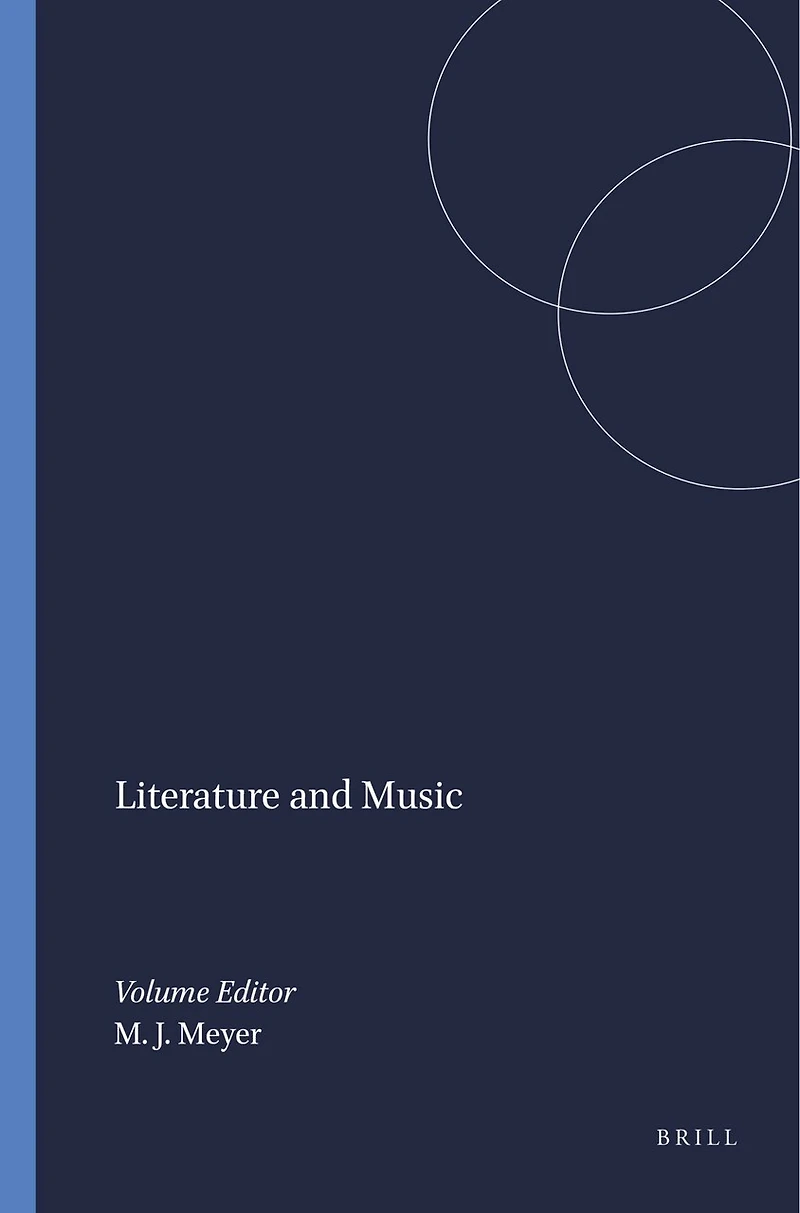
Literature and Music in Grande Prairie, AB
Current price: $193.95
Coles
Literature and Music in Grande Prairie, AB
Current price: $193.95
Loading Inventory...
Size: Hardcover
*Product information and pricing may vary - to confirm current pricing, availability, shipping, and return information please contact Coles. In the event of a pricing discrepancy, the retailer's price will apply.
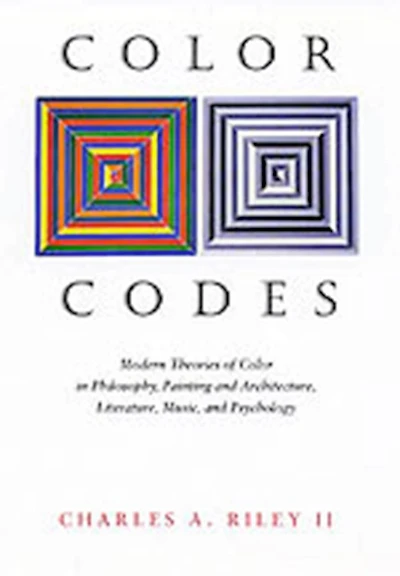
This collection of essays centers on musical elements that authors have employed in their work, thus joining heard sounds to a visual perception of their stories. The spectrum of authors represented is a wide one, from Pound to Durrell, from Steinbeck to Cather, from Beckett to Gaines, but even more unusual is the variety of musical type represented. Classical music (the quartet, the fugue, the symphony), Jazz (the jazz riff and jazz improv) and the spiritual all appear along with folk song and so-called random “noise.”
Such diversity suggests that there are few limits when readers consider how great writers utilize musical styles and techniques. Indeed, each author seems to realize that it is not the type of music that s/he chooses to employ that is important. Rather, it is the realization that such musical elements as harmony, dissonance, tonal repetition and beat are just as important in prose composition as they are in poetry and song. The essayists have selected some works that may be considered obscure and some that are modern classics. Each one, however, has captured one of the varied ways in which words and music complement and enhance each other.
This collection of essays centers on musical elements that authors have employed in their work, thus joining heard sounds to a visual perception of their stories. The spectrum of authors represented is a wide one, from Pound to Durrell, from Steinbeck to Cather, from Beckett to Gaines, but even more unusual is the variety of musical type represented. Classical music (the quartet, the fugue, the symphony), Jazz (the jazz riff and jazz improv) and the spiritual all appear along with folk song and so-called random “noise.”
Such diversity suggests that there are few limits when readers consider how great writers utilize musical styles and techniques. Indeed, each author seems to realize that it is not the type of music that s/he chooses to employ that is important. Rather, it is the realization that such musical elements as harmony, dissonance, tonal repetition and beat are just as important in prose composition as they are in poetry and song. The essayists have selected some works that may be considered obscure and some that are modern classics. Each one, however, has captured one of the varied ways in which words and music complement and enhance each other.
You May Also Like
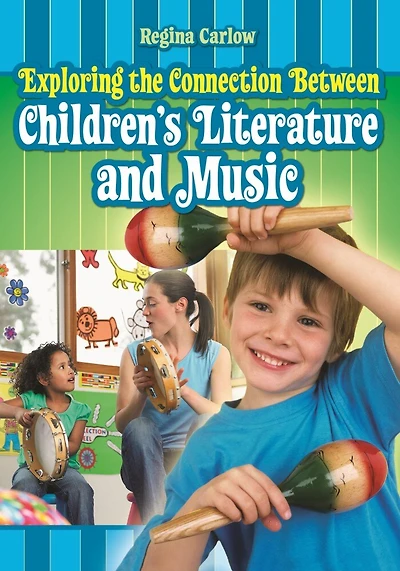
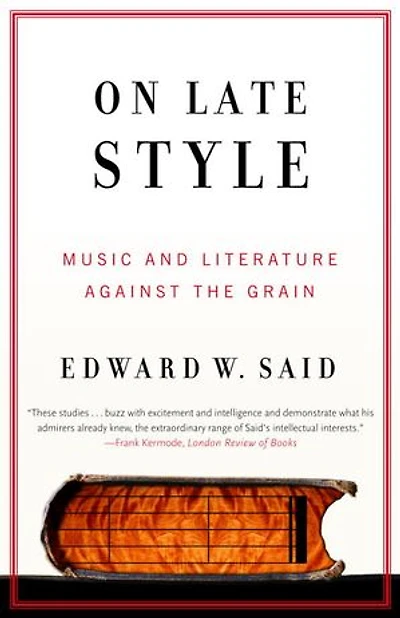








Find at Prairie Mall in Grande Prairie, AB
Visit at Prairie Mall in Grande Prairie, AB