


Gifting Made Simple
Give the Gift of ChoiceClick below to purchase a Prairie Mall eGift Card that can be used at participating retailers at Prairie Mall.Buy Gift CardHome
Literary Innovation and the Formation of National Literatures During the Renaissance
Coles
Loading Inventory...
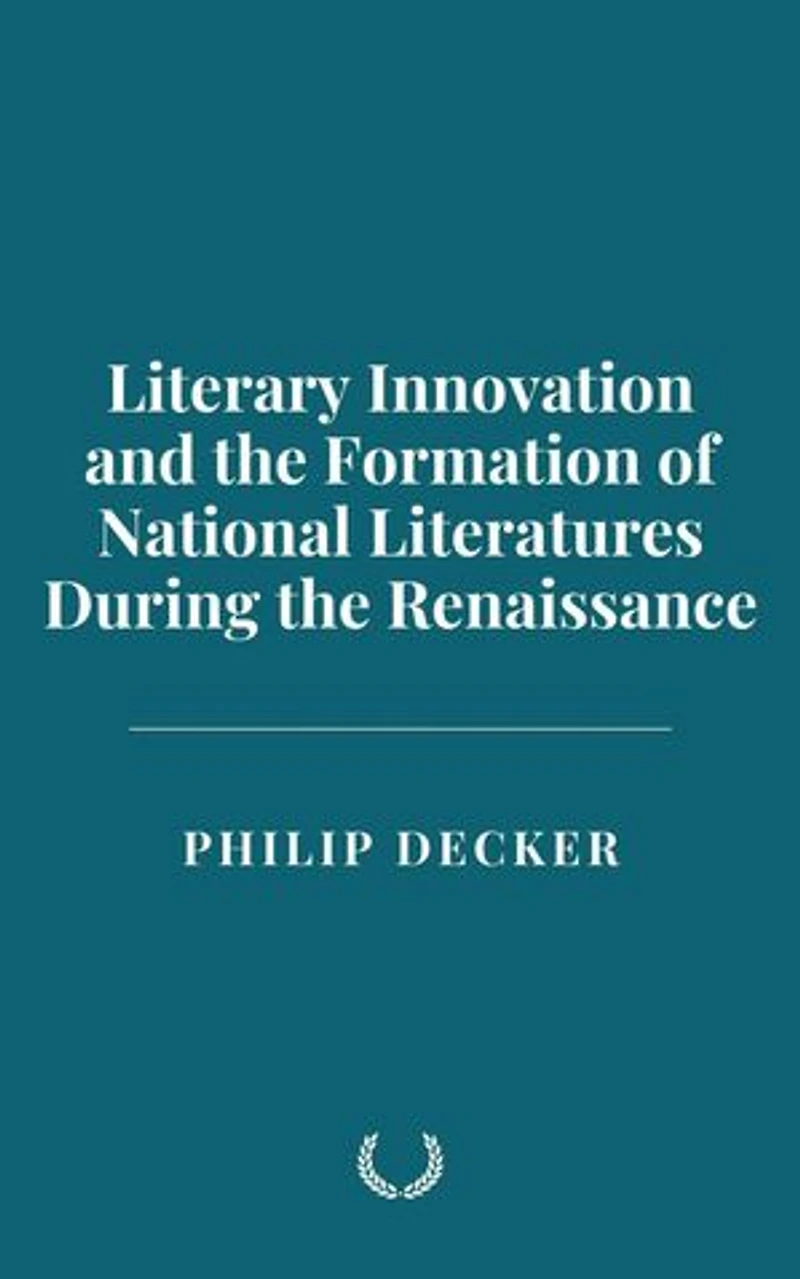
Literary Innovation and the Formation of National Literatures During the Renaissance
By None
Current price: $4.99
Coles
Literary Innovation and the Formation of National Literatures During the Renaissance
By None
Current price: $4.99
Loading Inventory...
Size: Kobo eBook
*Product information and pricing may vary - to confirm current pricing, availability, shipping, and return information please contact Coles. In the event of a pricing discrepancy, the retailer's price will apply.
The Renaissance was more than a rebirth of classical art and philosophy—it was a revolution in language and identity. This groundbreaking book unveils how the rise of vernacular literature across Italy, France, England, Spain, Germany, and the Low Countries forged the very foundations of modern national literatures and shaped the emergence of national consciousness. From Dante's bold choice to write in Tuscan Italian to Cervantes' pioneering of the modern novel in Castilian Spanish, and from the flowering of English drama under Shakespeare to the Protestant Reformation's vernacular Bible translations in Germany, this work reveals the intimate relationship between language, culture, and power in a transforming Europe.
Richly illustrated with deep historical context, insightful literary analysis, and vivid portraits of towering figures such as Petrarch, Rabelais, Chaucer, and Philip Sidney, this book offers readers an unprecedented exploration of how literary forms and genres—poetry, epic, satire, drama, and prose—became vital vehicles of national expression. It traces the decisive role of printing technology, courtly patronage, and religious upheavals in democratizing literature, standardizing languages, and cultivating national audiences.
Blending rigorous scholarship with engaging narrative, Literary Innovation and the Formation of National Literatures During the Renaissance is essential reading for historians, literary enthusiasts, and anyone fascinated by the origins of cultural identity. It illuminates how the vernacular languages of Europe broke free from the shadows of Latin to become powerful instruments of self-definition, creativity, and nation-building—a legacy that continues to echo in today's global literary landscape.
The Renaissance was more than a rebirth of classical art and philosophy—it was a revolution in language and identity. This groundbreaking book unveils how the rise of vernacular literature across Italy, France, England, Spain, Germany, and the Low Countries forged the very foundations of modern national literatures and shaped the emergence of national consciousness. From Dante's bold choice to write in Tuscan Italian to Cervantes' pioneering of the modern novel in Castilian Spanish, and from the flowering of English drama under Shakespeare to the Protestant Reformation's vernacular Bible translations in Germany, this work reveals the intimate relationship between language, culture, and power in a transforming Europe.
Richly illustrated with deep historical context, insightful literary analysis, and vivid portraits of towering figures such as Petrarch, Rabelais, Chaucer, and Philip Sidney, this book offers readers an unprecedented exploration of how literary forms and genres—poetry, epic, satire, drama, and prose—became vital vehicles of national expression. It traces the decisive role of printing technology, courtly patronage, and religious upheavals in democratizing literature, standardizing languages, and cultivating national audiences.
Blending rigorous scholarship with engaging narrative, Literary Innovation and the Formation of National Literatures During the Renaissance is essential reading for historians, literary enthusiasts, and anyone fascinated by the origins of cultural identity. It illuminates how the vernacular languages of Europe broke free from the shadows of Latin to become powerful instruments of self-definition, creativity, and nation-building—a legacy that continues to echo in today's global literary landscape.
You May Also Like









More About Coles at Prairie Mall
11801 100 St #104, Grande Prairie, AB T8V 3Y2, Canada
Find Coles at Prairie Mall in Grande Prairie, AB
Visit Coles at Prairie Mall in Grande Prairie, AB