


Gifting Made Simple
Give the Gift of ChoiceClick below to purchase a Prairie Mall eGift Card that can be used at participating retailers at Prairie Mall.Buy Gift CardHome
Linking Civil Society and the State: Urban Popular Movements, the Left, and Local Government in Peru, 1980–1992
Coles
Loading Inventory...
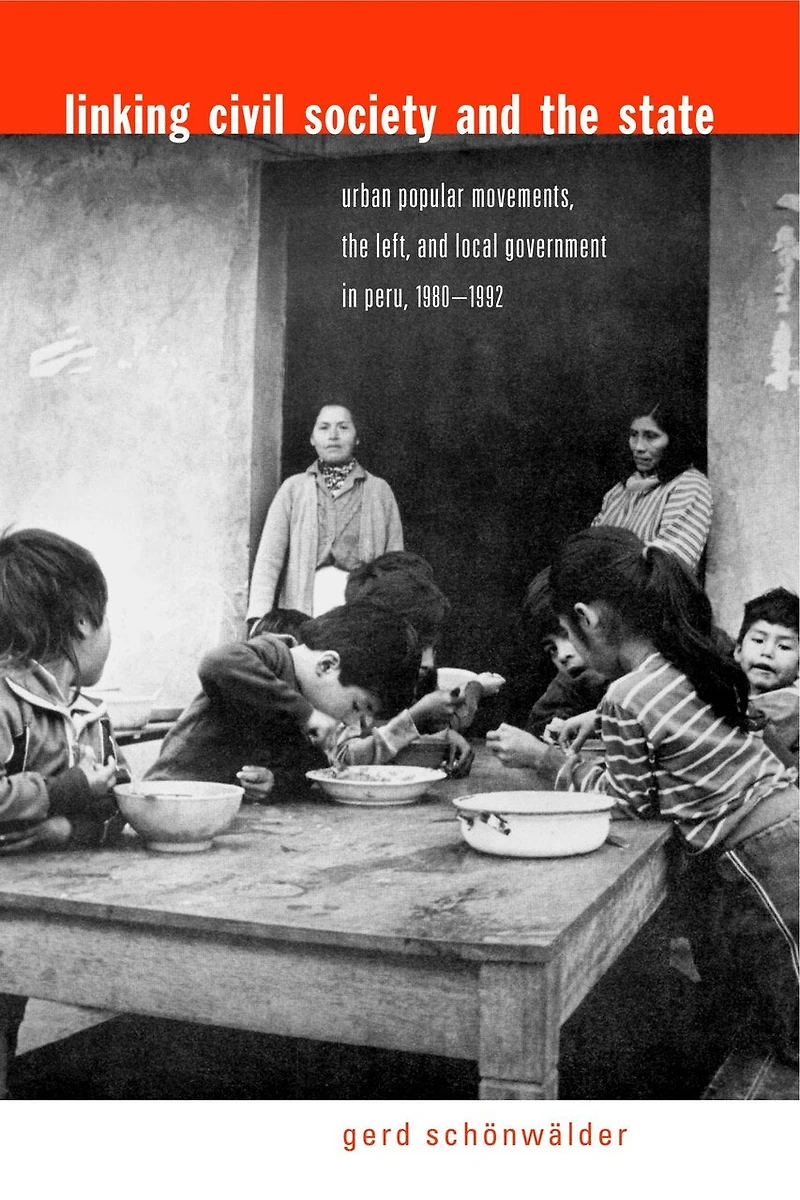
Linking Civil Society and the State: Urban Popular Movements, the Left, and Local Government in Peru, 1980–1992 in Grande Prairie, AB
Current price: $69.99
Coles
Linking Civil Society and the State: Urban Popular Movements, the Left, and Local Government in Peru, 1980–1992 in Grande Prairie, AB
Current price: $69.99
Loading Inventory...
Size: Paperback
*Product information and pricing may vary - to confirm current pricing, availability, shipping, and return information please contact Coles. In the event of a pricing discrepancy, the retailer's price will apply.
With the role of local government becoming more important as Latin American countries moved away from state-led development models in the 1980s, and with social movements helping to bring about the transition to democracy, questions arose about whether and how popular participation at the local level might be able to contribute to the consolidation of democracy from the grassroots upward. This book, based on extensive research in low-income districts of Lima, provides a sophisticated analysis of the relationship between a resurgent civil society and democratization. Exploring the complex interactions among urban popular movements, local government, political parties, and nongovernmental organizations (NGOs), Schönwälder shows that the democratic potential of these movements is genuine but that their influence has been limited. His balanced assessment credits their achievements while illuminating the sources of their failures, mainly a variety of institutional barriers and a persistent threat of manipulation and co-optation by stronger actors, especially political parties. His analysis helps us understand better why the left has so often failed to convert its considerable support at the grassroots into political successes at higher levels.
With the role of local government becoming more important as Latin American countries moved away from state-led development models in the 1980s, and with social movements helping to bring about the transition to democracy, questions arose about whether and how popular participation at the local level might be able to contribute to the consolidation of democracy from the grassroots upward. This book, based on extensive research in low-income districts of Lima, provides a sophisticated analysis of the relationship between a resurgent civil society and democratization. Exploring the complex interactions among urban popular movements, local government, political parties, and nongovernmental organizations (NGOs), Schönwälder shows that the democratic potential of these movements is genuine but that their influence has been limited. His balanced assessment credits their achievements while illuminating the sources of their failures, mainly a variety of institutional barriers and a persistent threat of manipulation and co-optation by stronger actors, especially political parties. His analysis helps us understand better why the left has so often failed to convert its considerable support at the grassroots into political successes at higher levels.
You May Also Like









Find at Prairie Mall in Grande Prairie, AB
Visit at Prairie Mall in Grande Prairie, AB