


Gifting Made Simple
Give the Gift of ChoiceClick below to purchase a Prairie Mall eGift Card that can be used at participating retailers at Prairie Mall.Buy Gift CardHome
Lights, Camera, Feminism?: Celebrities and Anti-Trafficking Politics
Coles
Loading Inventory...
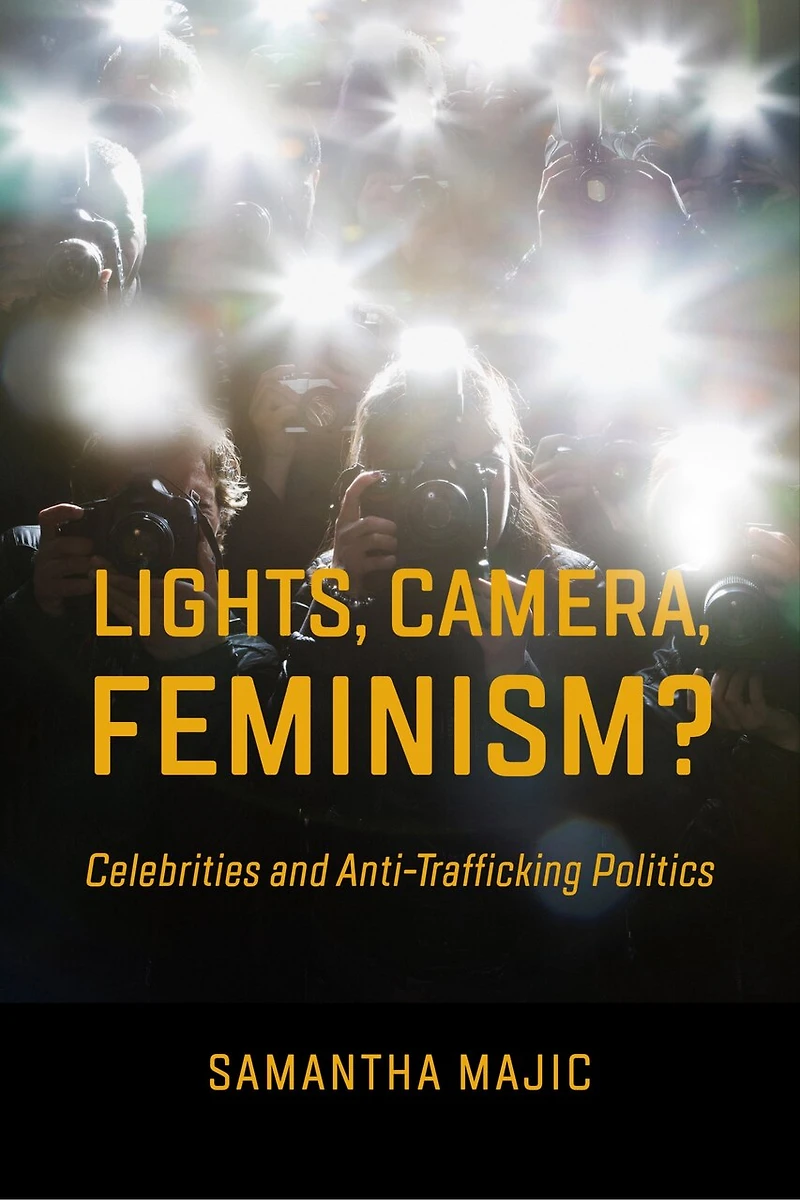
Lights, Camera, Feminism?: Celebrities and Anti-Trafficking Politics in Grande Prairie, AB
Current price: $122.46
Coles
Lights, Camera, Feminism?: Celebrities and Anti-Trafficking Politics in Grande Prairie, AB
Current price: $122.46
Loading Inventory...
Size: Hardcover
*Product information and pricing may vary - to confirm current pricing, availability, shipping, and return information please contact Coles. In the event of a pricing discrepancy, the retailer's price will apply.
Celebrities in the United States have drawn significant attention and resources to the complex issue of human trafficking—a subject of feminist concern—and they are often criticized for promoting sensationalized and simplistic understandings of the issue. In this comprehensive analysis of celebrities’ anti-trafficking activism, however, Samantha Majic finds that this phenomenon is more nuanced: even as some celebrities promote regressive issue narratives and carceral solutions, others use their platforms to elevate more diverse representations of human trafficking and feminist analyses of gender inequality. Lights, Camera, Feminism? thus argues that we should understand celebrities as multilevel political actors whose activism is shaped and mediated by a range of personal and contextual factors, with implications for feminist and democratic politics more broadly.
Celebrities in the United States have drawn significant attention and resources to the complex issue of human trafficking—a subject of feminist concern—and they are often criticized for promoting sensationalized and simplistic understandings of the issue. In this comprehensive analysis of celebrities’ anti-trafficking activism, however, Samantha Majic finds that this phenomenon is more nuanced: even as some celebrities promote regressive issue narratives and carceral solutions, others use their platforms to elevate more diverse representations of human trafficking and feminist analyses of gender inequality. Lights, Camera, Feminism? thus argues that we should understand celebrities as multilevel political actors whose activism is shaped and mediated by a range of personal and contextual factors, with implications for feminist and democratic politics more broadly.
You May Also Like


















Find at Prairie Mall in Grande Prairie, AB
Visit at Prairie Mall in Grande Prairie, AB