


Gifting Made Simple
Give the Gift of ChoiceClick below to purchase a Prairie Mall eGift Card that can be used at participating retailers at Prairie Mall.Buy Gift CardHome
Lifeblood: Oil, Freedom, and the Forces of Capital
Coles
Loading Inventory...
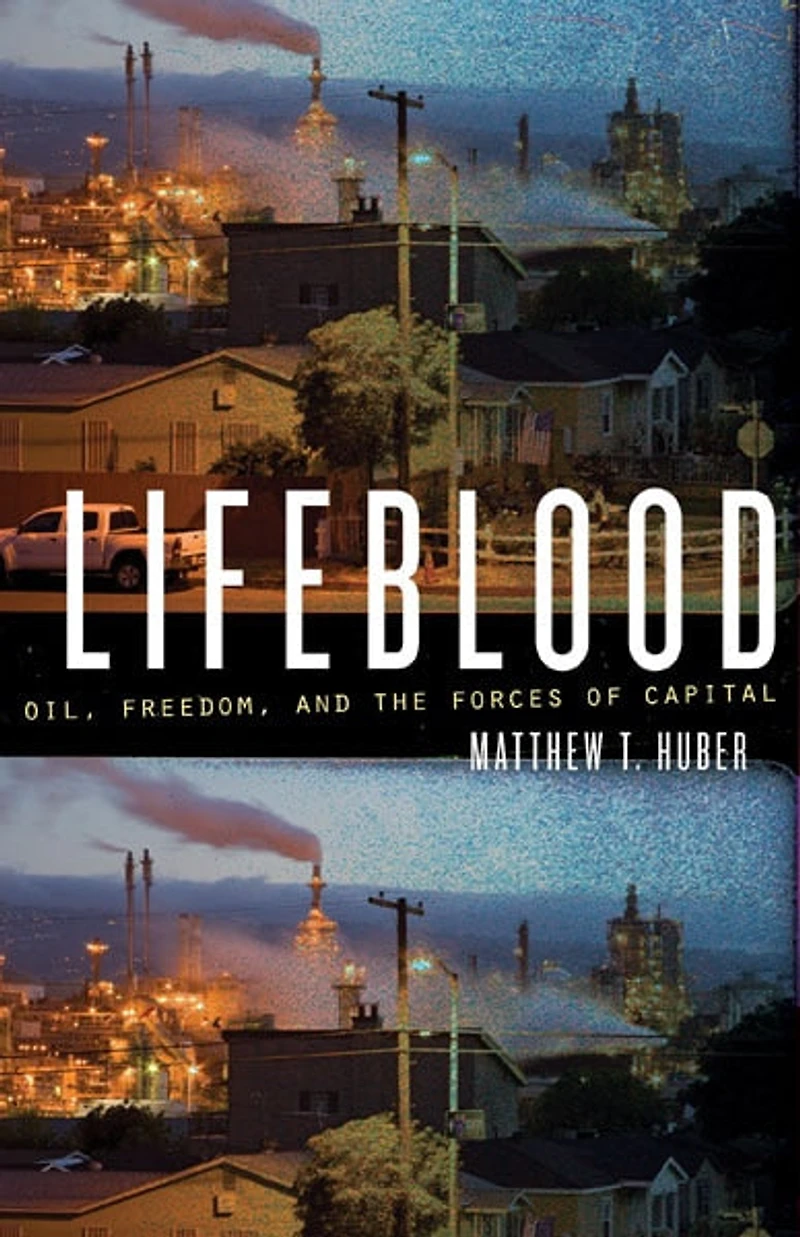
Lifeblood: Oil, Freedom, and the Forces of Capital
By None
Current price: $97.50
Coles
Lifeblood: Oil, Freedom, and the Forces of Capital
By None
Current price: $97.50
Loading Inventory...
Size: Hardcover
*Product information and pricing may vary - to confirm current pricing, availability, shipping, and return information please contact Coles. In the event of a pricing discrepancy, the retailer's price will apply.
If our oil addiction is so bad for us, why don't we kick the habit? Looking beyond the usual culprits-Big Oil, petro-states, and the strategists of empire- Lifeblood finds a deeper and more complex explanation in everyday practices of oil consumption in American culture. Those practices, Matthew T. Huber suggests, have in fact been instrumental in shaping the broader cultural politics of American capitalism.
How did gasoline and countless other petroleum products become so central to our notions of the American way of life? Huber traces the answer from the 1930s through the oil shocks of the 1970s to our present predicament, revealing that oil's role in defining popular culture extends far beyond material connections between oil, suburbia, and automobility. He shows how oil powered a cultural politics of entrepreneurial life-the very American idea that life itself is a product of individual entrepreneurial capacities. In so doing he uses oil to retell American political history from the triumph of New Deal liberalism to the rise of the New Right, from oil's celebration as the lifeblood of postwar capitalism to increasing anxieties over oil addiction.
Lifeblood rethinks debates surrounding energy and capitalism, neoliberalism and nature, and the importance of suburbanization in the rightward shift in American politics. Today, Huber tells us, as crises attributable to oil intensify, a populist clamoring for cheap energy has less to do with American excess than with the eroding conditions of life under neoliberalism.
If our oil addiction is so bad for us, why don't we kick the habit? Looking beyond the usual culprits-Big Oil, petro-states, and the strategists of empire- Lifeblood finds a deeper and more complex explanation in everyday practices of oil consumption in American culture. Those practices, Matthew T. Huber suggests, have in fact been instrumental in shaping the broader cultural politics of American capitalism.
How did gasoline and countless other petroleum products become so central to our notions of the American way of life? Huber traces the answer from the 1930s through the oil shocks of the 1970s to our present predicament, revealing that oil's role in defining popular culture extends far beyond material connections between oil, suburbia, and automobility. He shows how oil powered a cultural politics of entrepreneurial life-the very American idea that life itself is a product of individual entrepreneurial capacities. In so doing he uses oil to retell American political history from the triumph of New Deal liberalism to the rise of the New Right, from oil's celebration as the lifeblood of postwar capitalism to increasing anxieties over oil addiction.
Lifeblood rethinks debates surrounding energy and capitalism, neoliberalism and nature, and the importance of suburbanization in the rightward shift in American politics. Today, Huber tells us, as crises attributable to oil intensify, a populist clamoring for cheap energy has less to do with American excess than with the eroding conditions of life under neoliberalism.
You May Also Like









More About Coles at Prairie Mall
11801 100 St #104, Grande Prairie, AB T8V 3Y2, Canada
Find Coles at Prairie Mall in Grande Prairie, AB
Visit Coles at Prairie Mall in Grande Prairie, AB