


Gifting Made Simple
Give the Gift of ChoiceClick below to purchase a Prairie Mall eGift Card that can be used at participating retailers at Prairie Mall.Buy Gift CardHome
Life science applications of computational intelligence for modelling
Coles
Loading Inventory...
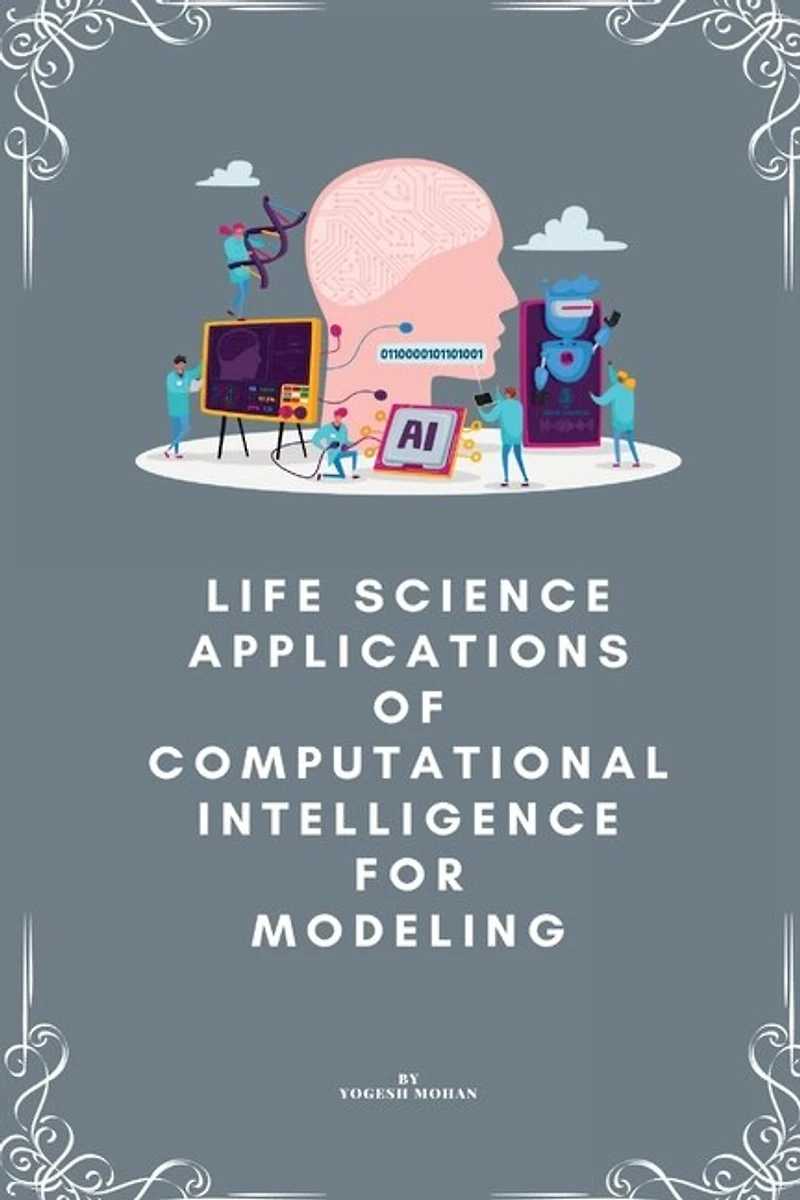
Life science applications of computational intelligence for modelling in Grande Prairie, AB
Current price: $48.99
Coles
Life science applications of computational intelligence for modelling in Grande Prairie, AB
Current price: $48.99
Loading Inventory...
Size: Paperback
*Product information and pricing may vary - to confirm current pricing, availability, shipping, and return information please contact Coles. In the event of a pricing discrepancy, the retailer's price will apply.
Can computers be intelligent? If yes! Then how to represent intelligence? The development of digital computers made possible the invention of human engineered systems that show intelligent behaviour. Now a days, the researchers are active with the studies applying computational intelligence (i.e. numerical methods for implementing an intelligent behaviour) to understand the complex and uncertain behaviour of real-world processes. Despite advancement in neuro/fuzzy modeling techniques, the field still lacks a mathematical framework for the design and analysis of intelligent systems to deal with the real-world problems considering the underlying uncertainties in a sensible way. This thesis presents a fuzzy rules based system for modeling the relationships between inputs and output data in the presence of uncertainties. The fuzzy system is designed by separating the uncertainties from the data using fuzzy filtering algorithms. A stochastic modeling of the uncertainties helps in designing the fuzzy system to approximate the uncertain relationships. The proposed fuzzy model offers the followings.
Can computers be intelligent? If yes! Then how to represent intelligence? The development of digital computers made possible the invention of human engineered systems that show intelligent behaviour. Now a days, the researchers are active with the studies applying computational intelligence (i.e. numerical methods for implementing an intelligent behaviour) to understand the complex and uncertain behaviour of real-world processes. Despite advancement in neuro/fuzzy modeling techniques, the field still lacks a mathematical framework for the design and analysis of intelligent systems to deal with the real-world problems considering the underlying uncertainties in a sensible way. This thesis presents a fuzzy rules based system for modeling the relationships between inputs and output data in the presence of uncertainties. The fuzzy system is designed by separating the uncertainties from the data using fuzzy filtering algorithms. A stochastic modeling of the uncertainties helps in designing the fuzzy system to approximate the uncertain relationships. The proposed fuzzy model offers the followings.
You May Also Like













Find at Prairie Mall in Grande Prairie, AB
Visit at Prairie Mall in Grande Prairie, AB