


Gifting Made Simple
Give the Gift of ChoiceClick below to purchase a Prairie Mall eGift Card that can be used at participating retailers at Prairie Mall.Buy Gift CardHome
Life Crisis: The Ethical Journey of Doctors Without Borders
Coles
Loading Inventory...

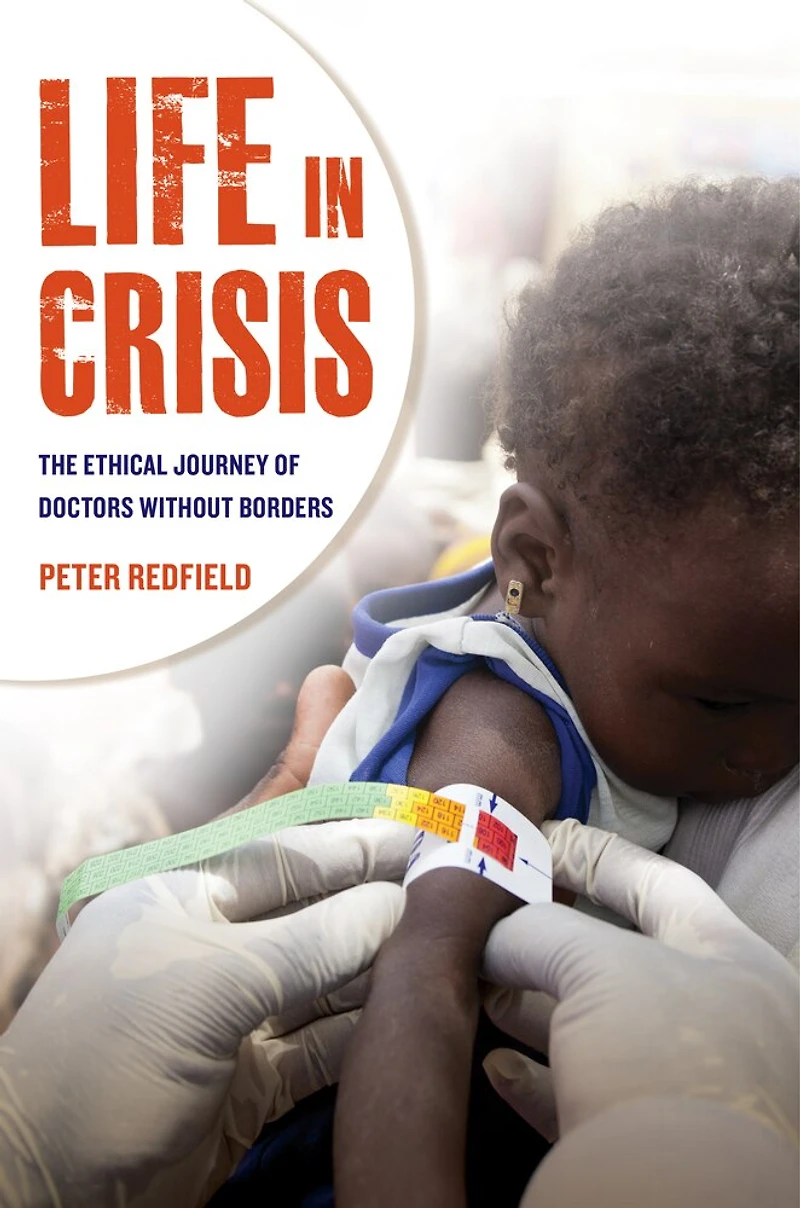
Life Crisis: The Ethical Journey of Doctors Without Borders in Grande Prairie, AB
Current price: $32.59
Original price: $40.65
Coles
Life Crisis: The Ethical Journey of Doctors Without Borders in Grande Prairie, AB
Current price: $32.59
Original price: $40.65
Loading Inventory...
Size: Kobo eBook
*Product information and pricing may vary - to confirm current pricing, availability, shipping, and return information please contact Coles. In the event of a pricing discrepancy, the retailer's price will apply.
Life in Crisis tells the story of Médecins Sans Frontières (Doctors Without Borders or MSF) and its effort to “save lives” on a global scale. Begun in 1971 as a French alternative to the Red Cross, the MSF has grown into an international institution with a reputation for outspoken protest as well as technical efficiency. It has also expanded beyond emergency response, providing for a wider range of endeavors, including AIDS care. Yet its seemingly simple ethical goal proves deeply complex in practice. MSF continually faces the problem of defining its own limits. Its minimalist form of care recalls the promise of state welfare, but without political resolution or a sense of well-being beyond health and survival. Lacking utopian certainty, the group struggles when the moral clarity of crisis fades. Nevertheless, it continues to take action and innovate. Its organizational history illustrates both the logic and the tensions of casting humanitarian medicine into a leading role in international affairs.
Life in Crisis tells the story of Médecins Sans Frontières (Doctors Without Borders or MSF) and its effort to “save lives” on a global scale. Begun in 1971 as a French alternative to the Red Cross, the MSF has grown into an international institution with a reputation for outspoken protest as well as technical efficiency. It has also expanded beyond emergency response, providing for a wider range of endeavors, including AIDS care. Yet its seemingly simple ethical goal proves deeply complex in practice. MSF continually faces the problem of defining its own limits. Its minimalist form of care recalls the promise of state welfare, but without political resolution or a sense of well-being beyond health and survival. Lacking utopian certainty, the group struggles when the moral clarity of crisis fades. Nevertheless, it continues to take action and innovate. Its organizational history illustrates both the logic and the tensions of casting humanitarian medicine into a leading role in international affairs.
You May Also Like


















Find at Prairie Mall in Grande Prairie, AB
Visit at Prairie Mall in Grande Prairie, AB