


Gifting Made Simple
Give the Gift of ChoiceClick below to purchase a Prairie Mall eGift Card that can be used at participating retailers at Prairie Mall.Buy Gift CardHome
Letters of a Sufi Scholar: The Correspondence of `Abd al-Ghanī al-Nābulusī (1641-1731)
Coles
Loading Inventory...
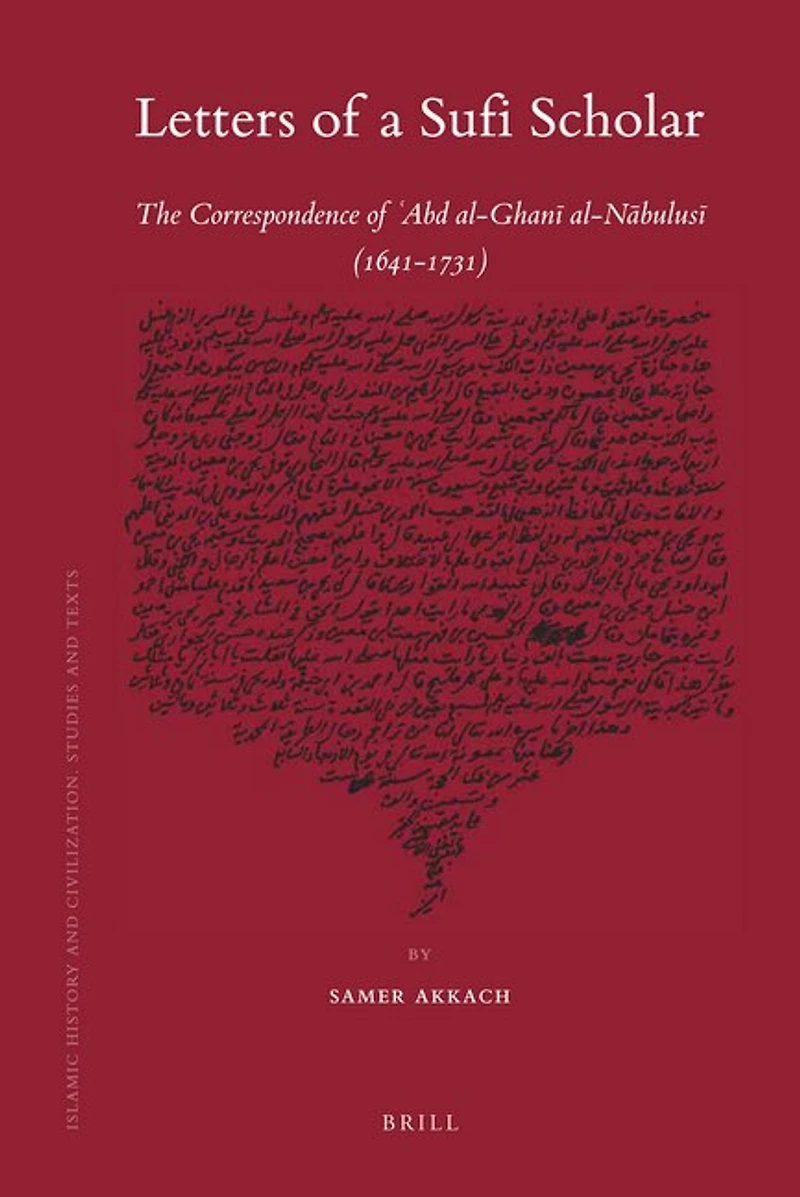
Letters of a Sufi Scholar: The Correspondence of `Abd al-Ghanī al-Nābulusī (1641-1731)
By None
Current price: $344.99
Coles
Letters of a Sufi Scholar: The Correspondence of `Abd al-Ghanī al-Nābulusī (1641-1731)
By None
Current price: $344.99
Loading Inventory...
Size: Hardcover
*Product information and pricing may vary - to confirm current pricing, availability, shipping, and return information please contact Coles. In the event of a pricing discrepancy, the retailer's price will apply.
As a leading Muslim thinker, ‘Abd al-Ghanī al-Nābulusī of Damascus creatively engaged with the social, religious, and intellectual challenges that emerged during the early modern period in which he lived. Yet, at a time of high anti-mystical fervour, his Sufi-inspired views faced strong local antipathy. Through extensive correspondence, presented here for the first time, ‘Abd al-Ghanī projected his ideas and teachings beyond the parochial boundaries of Damascus, and was thus able to assert his authority at a wider regional level. The letters he himself selected, compiled, and titled shed fresh lights on the religious and intellectual exchanges among scholars in the eastern Ottoman provinces, revealing a dynamic and rigorous image of Islam, one that is profoundly inspired by humility, tolerance, and love.
http://tntypography.com/brill.html
As a leading Muslim thinker, ‘Abd al-Ghanī al-Nābulusī of Damascus creatively engaged with the social, religious, and intellectual challenges that emerged during the early modern period in which he lived. Yet, at a time of high anti-mystical fervour, his Sufi-inspired views faced strong local antipathy. Through extensive correspondence, presented here for the first time, ‘Abd al-Ghanī projected his ideas and teachings beyond the parochial boundaries of Damascus, and was thus able to assert his authority at a wider regional level. The letters he himself selected, compiled, and titled shed fresh lights on the religious and intellectual exchanges among scholars in the eastern Ottoman provinces, revealing a dynamic and rigorous image of Islam, one that is profoundly inspired by humility, tolerance, and love.
http://tntypography.com/brill.html
You May Also Like
















More About Coles at Prairie Mall
11801 100 St #104, Grande Prairie, AB T8V 3Y2, Canada
Find Coles at Prairie Mall in Grande Prairie, AB
Visit Coles at Prairie Mall in Grande Prairie, AB