


Gifting Made Simple
Give the Gift of ChoiceClick below to purchase a Prairie Mall eGift Card that can be used at participating retailers at Prairie Mall.Buy Gift CardHome
Legal Protection for Traditional Knowledge: Towards a New Law Indigenous Intellectual Property
Coles
Loading Inventory...
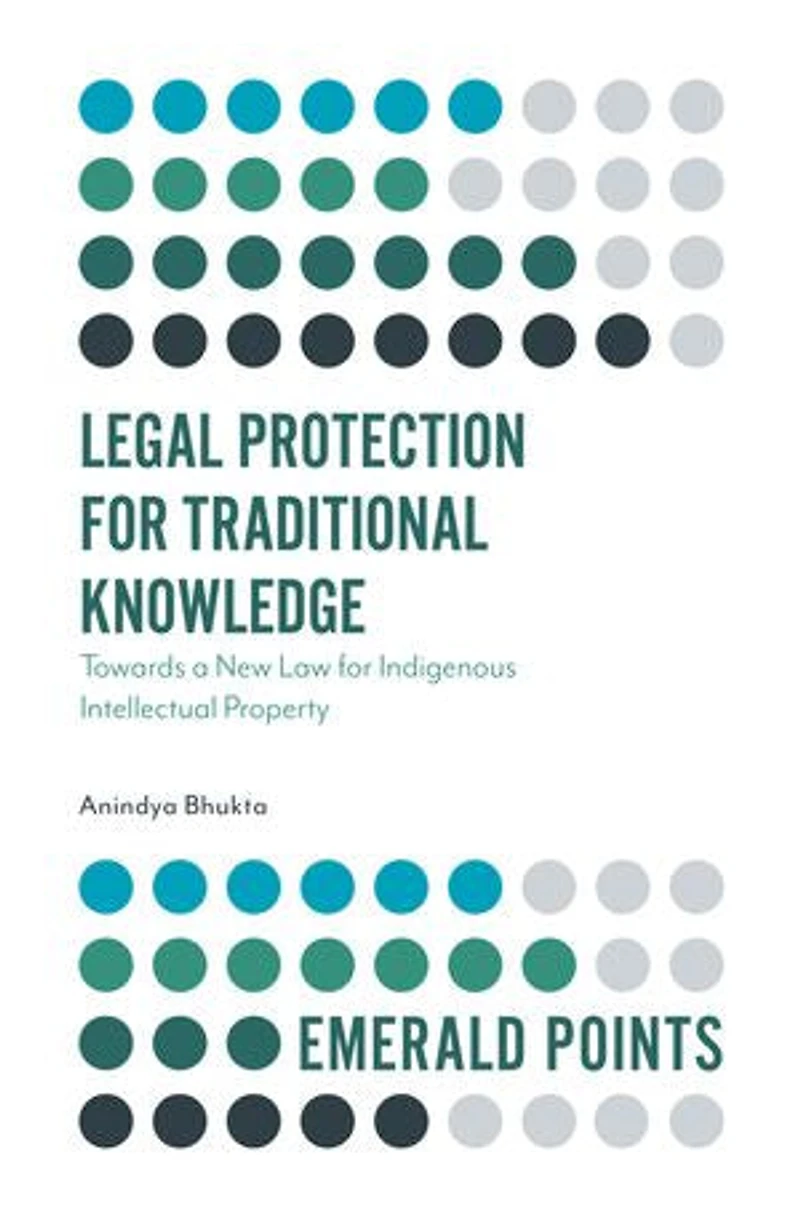
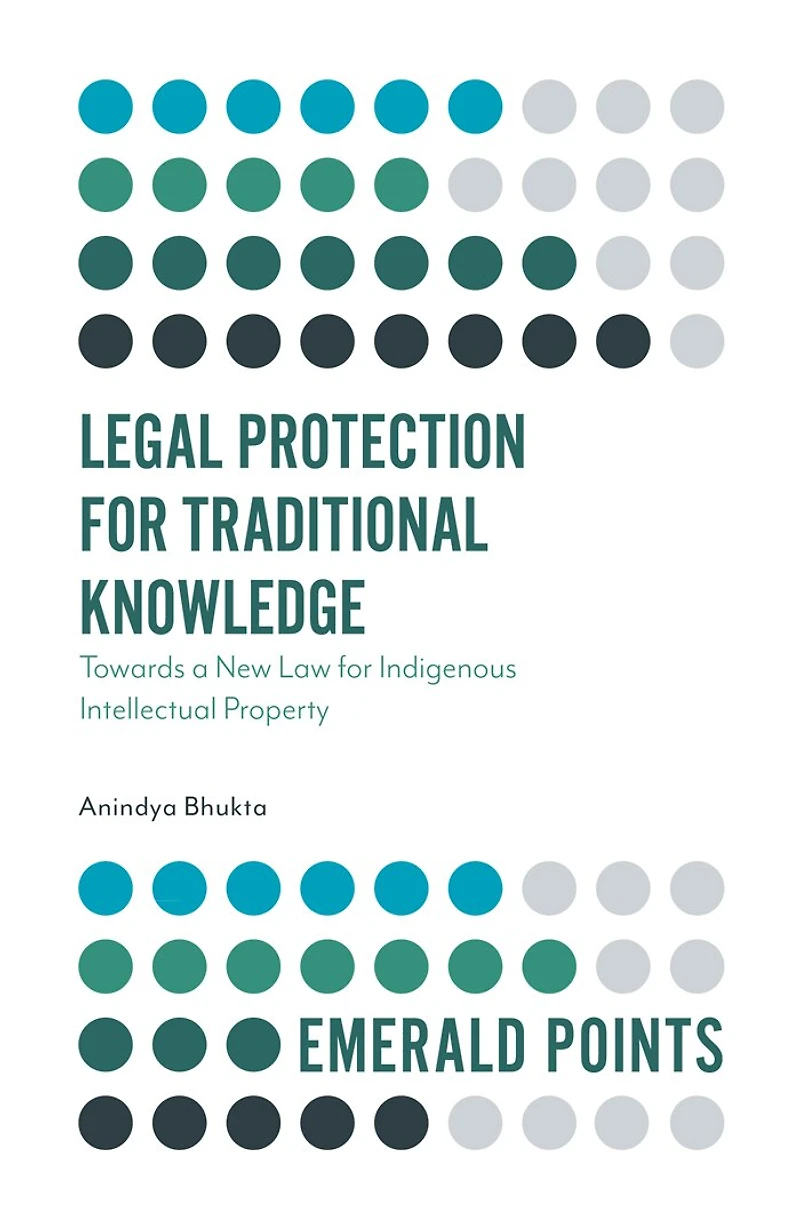
Legal Protection for Traditional Knowledge: Towards a New Law Indigenous Intellectual Property in Grande Prairie, AB
Current price: $52.19
Original price: $65.13
Coles
Legal Protection for Traditional Knowledge: Towards a New Law Indigenous Intellectual Property in Grande Prairie, AB
Current price: $52.19
Original price: $65.13
Loading Inventory...
Size: Kobo eBook
*Product information and pricing may vary - to confirm current pricing, availability, shipping, and return information please contact Coles. In the event of a pricing discrepancy, the retailer's price will apply.
Many aboriginal communities in the Global South depend for their livelihoods on the vast supply of bio-resources around them, but multinational corporations (MNCs) are not always ethical in their dealings with these communities. MNCs often pirate and patent communal, traditional knowledge, thereby "acquiring" intellectual property potentially worth hundreds of millions of dollars almost free of cost. Aboriginal communities face steep uphill legal battles in these cases.
Here Anindya Bhukta explores the porous legal relations between traditional knowledge and current intellectual property law. Focusing on aboriginal communities in India, Bhukta explains how India, like other resource-rich countries, has spent millions trying to revoke US-issued patents on knowledge gained from aboriginal communities using existing IPR legislation. He demonstrates that existing IPR laws do not provide full legal protection in such cases - a fact acknowledged by the World Trade Organization when it categorically asked for a sui generis law to be developed for precisely these purposes - and he suggests just such a new law that could offer more robust legal protection for aboriginal communities wishing to capitalize on their own accomplishments. In so doing, Bhukta calls attention to the vital contributions that aboriginal communities make to global development.
Legal Protection for Traditional Knowledge is a must-read for researchers in economics, development studies, and international law, and especially those with an interest in the intellectual property status of traditional knowledge.
Many aboriginal communities in the Global South depend for their livelihoods on the vast supply of bio-resources around them, but multinational corporations (MNCs) are not always ethical in their dealings with these communities. MNCs often pirate and patent communal, traditional knowledge, thereby "acquiring" intellectual property potentially worth hundreds of millions of dollars almost free of cost. Aboriginal communities face steep uphill legal battles in these cases.
Here Anindya Bhukta explores the porous legal relations between traditional knowledge and current intellectual property law. Focusing on aboriginal communities in India, Bhukta explains how India, like other resource-rich countries, has spent millions trying to revoke US-issued patents on knowledge gained from aboriginal communities using existing IPR legislation. He demonstrates that existing IPR laws do not provide full legal protection in such cases - a fact acknowledged by the World Trade Organization when it categorically asked for a sui generis law to be developed for precisely these purposes - and he suggests just such a new law that could offer more robust legal protection for aboriginal communities wishing to capitalize on their own accomplishments. In so doing, Bhukta calls attention to the vital contributions that aboriginal communities make to global development.
Legal Protection for Traditional Knowledge is a must-read for researchers in economics, development studies, and international law, and especially those with an interest in the intellectual property status of traditional knowledge.
You May Also Like












Find at Prairie Mall in Grande Prairie, AB
Visit at Prairie Mall in Grande Prairie, AB