


Gifting Made Simple
Give the Gift of ChoiceClick below to purchase a Prairie Mall eGift Card that can be used at participating retailers at Prairie Mall.Buy Gift CardHome
Legacies of David Cranz's 'Historie von Gronland' (1765)
Coles
Loading Inventory...
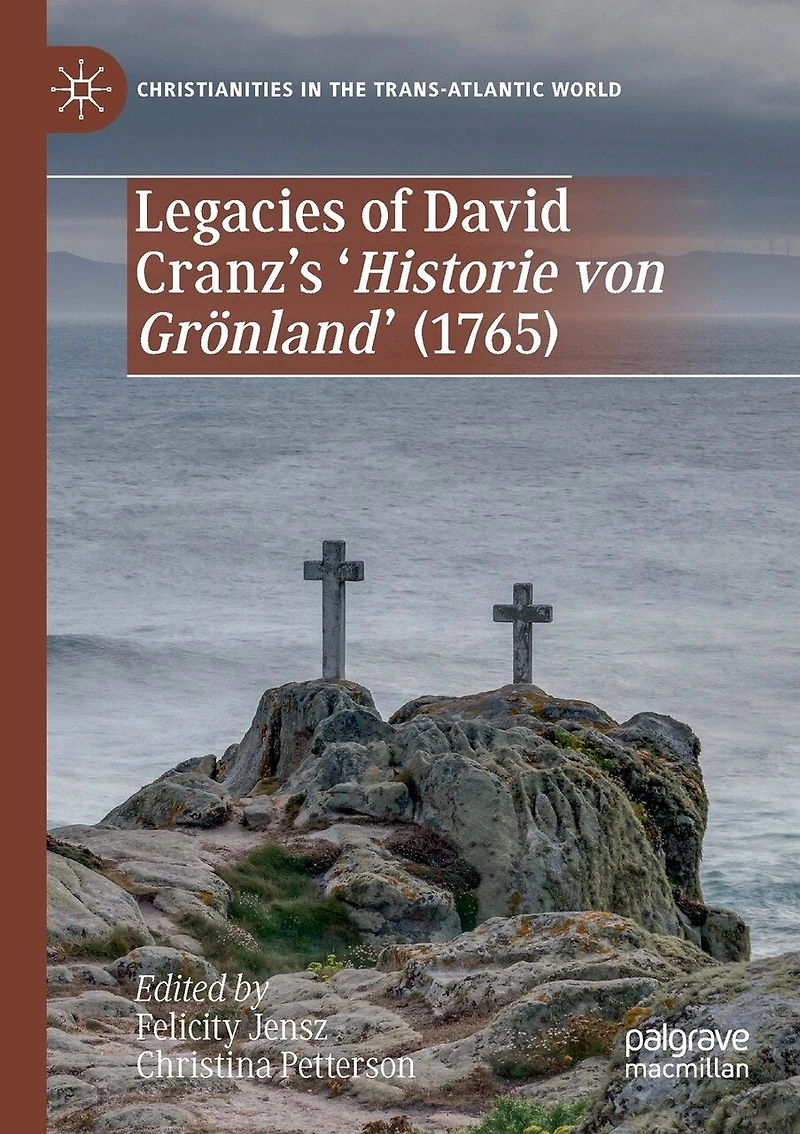
Legacies of David Cranz's 'Historie von Gronland' (1765) in Grande Prairie, AB
Current price: $233.95
Coles
Legacies of David Cranz's 'Historie von Gronland' (1765) in Grande Prairie, AB
Current price: $233.95
Loading Inventory...
Size: Paperback
*Product information and pricing may vary - to confirm current pricing, availability, shipping, and return information please contact Coles. In the event of a pricing discrepancy, the retailer's price will apply.
This book brings together interdisciplinary scholars from history, theology, folklore, ethnology and meteorology to examine how David Cranz's Historie von Grönland (1765) resonated in various disciplines, periods and countries. Collectively the contributors demonstrate the reach of the book beyond its initial purpose as a record of missionary work, and into secular and political fields beyond Greenland and Germany. The chapters also reveal how the book contributed to broader discussions and conceptualizations of Greenland as part of the Atlantic world. The interdisciplinary scope of the volume allows for a layered reading of Cranz's book that demonstrates how different meanings could be drawn from the book in different contexts and how the book resonated throughout time and space. It also makes the broader argument that the construction of the Artic in the eighteenth century broadened our understanding of the Atlantic.
This book brings together interdisciplinary scholars from history, theology, folklore, ethnology and meteorology to examine how David Cranz's Historie von Grönland (1765) resonated in various disciplines, periods and countries. Collectively the contributors demonstrate the reach of the book beyond its initial purpose as a record of missionary work, and into secular and political fields beyond Greenland and Germany. The chapters also reveal how the book contributed to broader discussions and conceptualizations of Greenland as part of the Atlantic world. The interdisciplinary scope of the volume allows for a layered reading of Cranz's book that demonstrates how different meanings could be drawn from the book in different contexts and how the book resonated throughout time and space. It also makes the broader argument that the construction of the Artic in the eighteenth century broadened our understanding of the Atlantic.
You May Also Like












Find at Prairie Mall in Grande Prairie, AB
Visit at Prairie Mall in Grande Prairie, AB