


Gifting Made Simple
Give the Gift of ChoiceClick below to purchase a Prairie Mall eGift Card that can be used at participating retailers at Prairie Mall.Buy Gift CardHome
Law and the Shaping of American Labor Movement
Coles
Loading Inventory...
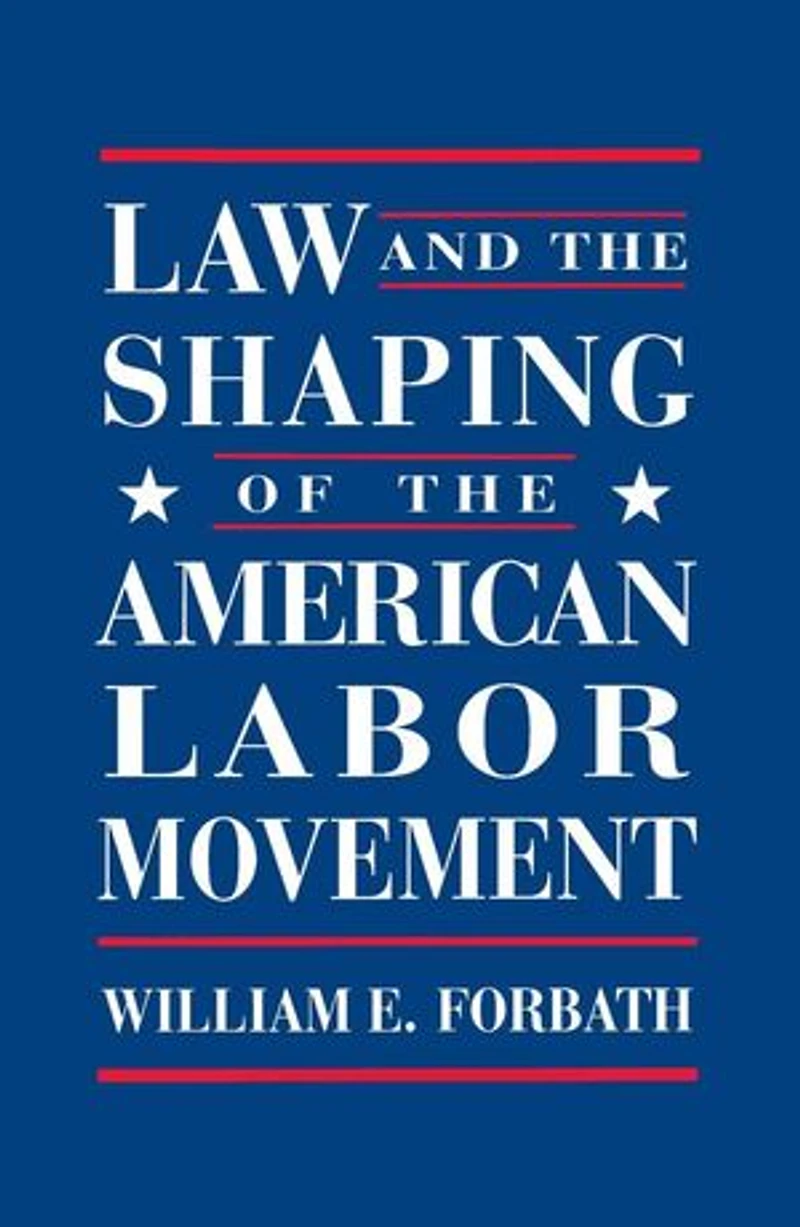
Law and the Shaping of American Labor Movement
By None
Current price: $42.39
Original price: $52.93
Coles
Law and the Shaping of American Labor Movement
By None
Current price: $42.39
Original price: $52.93
Loading Inventory...
Size: Kobo eBook
*Product information and pricing may vary - to confirm current pricing, availability, shipping, and return information please contact Coles. In the event of a pricing discrepancy, the retailer's price will apply.
Why did American workers, unlike their European counterparts, fail to forge a class-based movement to pursue broad social reform? Was it simply that they lacked class consciousness and were more interested in personal mobility? In a richly detailed survey of labor law and labor history, William Forbath challenges this notion of American “individualism.” In fact, he argues, the nineteenth-century American labor movement was much like Europe’s labor movements in its social and political outlook, but in the decades around the turn of the century, the prevailing attitude of American trade unionists changed. Forbath shows that, over time, struggles with the courts and the legal order were crucial to reshaping labor’s outlook, driving the labor movement to temper its radical goals.
Why did American workers, unlike their European counterparts, fail to forge a class-based movement to pursue broad social reform? Was it simply that they lacked class consciousness and were more interested in personal mobility? In a richly detailed survey of labor law and labor history, William Forbath challenges this notion of American “individualism.” In fact, he argues, the nineteenth-century American labor movement was much like Europe’s labor movements in its social and political outlook, but in the decades around the turn of the century, the prevailing attitude of American trade unionists changed. Forbath shows that, over time, struggles with the courts and the legal order were crucial to reshaping labor’s outlook, driving the labor movement to temper its radical goals.
You May Also Like










More About Coles at Prairie Mall
11801 100 St #104, Grande Prairie, AB T8V 3Y2, Canada
Find Coles at Prairie Mall in Grande Prairie, AB
Visit Coles at Prairie Mall in Grande Prairie, AB