


Gifting Made Simple
Give the Gift of ChoiceClick below to purchase a Prairie Mall eGift Card that can be used at participating retailers at Prairie Mall.Buy Gift CardHome
Law and Economics in Japanese Competition Policy
Coles
Loading Inventory...
Law and Economics in Japanese Competition Policy in Grande Prairie, AB
Current price: $189.95
Coles
Law and Economics in Japanese Competition Policy in Grande Prairie, AB
Current price: $189.95
Loading Inventory...
Size: Paperback
*Product information and pricing may vary - to confirm current pricing, availability, shipping, and return information please contact Coles. In the event of a pricing discrepancy, the retailer's price will apply.
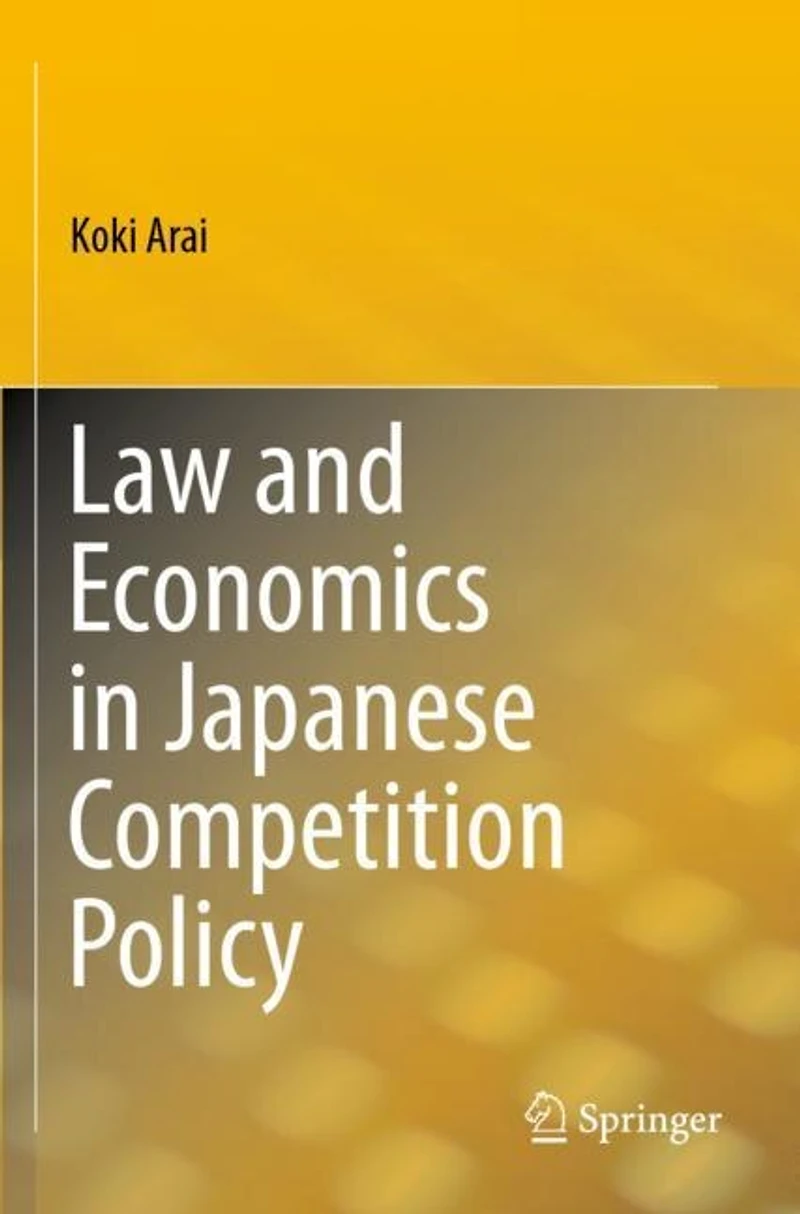
This book demonstrates how economics is used in cases of competition in Japan. Competition between firms is usually the most effective way of allocating economic resources and achieving consumer and producer welfare. At the same time, a balance must be struck; firms must not be over-regulated, but neither must they be completely free to create a monopoly or oligopoly. Therefore, the role of competition policy is to maintain a balance by using the collaborative economics of industrial organization. The book uses economic analysis to evaluate case studies on Japanese anti-monopoly law, the Act Concerning Prohibition of Private Monopolization and Maintenance of Fair Trade (AMA), and enforcement in e.g. cartel cases, private monopolization cases, and merger cases. The Japan Fair Trade Commission implements a competition policy, primarily through the enforcement of the AMA, which promotes ingenuity and innovation in business by guaranteeing and enhancing fair and free competition, thereby ensuring economic vitality and consumer benefit. This book is the first authoritative and compact work on competition policy in Japan, which has a more-than-70-year history and is based on solid legal principles. In addition, the book seeks to promote law enforcement based on economic analysis, and includes studies describing the enforcement mechanisms used. It provides comprehensive yet concise information on the structure of the AMA, recent cases, and economic analysis. It also explains the circumstances regarding recent cases and analyzes how the economic policy has been applied to actual cases.
This book demonstrates how economics is used in cases of competition in Japan. Competition between firms is usually the most effective way of allocating economic resources and achieving consumer and producer welfare. At the same time, a balance must be struck; firms must not be over-regulated, but neither must they be completely free to create a monopoly or oligopoly. Therefore, the role of competition policy is to maintain a balance by using the collaborative economics of industrial organization. The book uses economic analysis to evaluate case studies on Japanese anti-monopoly law, the Act Concerning Prohibition of Private Monopolization and Maintenance of Fair Trade (AMA), and enforcement in e.g. cartel cases, private monopolization cases, and merger cases. The Japan Fair Trade Commission implements a competition policy, primarily through the enforcement of the AMA, which promotes ingenuity and innovation in business by guaranteeing and enhancing fair and free competition, thereby ensuring economic vitality and consumer benefit. This book is the first authoritative and compact work on competition policy in Japan, which has a more-than-70-year history and is based on solid legal principles. In addition, the book seeks to promote law enforcement based on economic analysis, and includes studies describing the enforcement mechanisms used. It provides comprehensive yet concise information on the structure of the AMA, recent cases, and economic analysis. It also explains the circumstances regarding recent cases and analyzes how the economic policy has been applied to actual cases.
You May Also Like








Find at Prairie Mall in Grande Prairie, AB
Visit at Prairie Mall in Grande Prairie, AB