


Gifting Made Simple
Give the Gift of ChoiceClick below to purchase a Prairie Mall eGift Card that can be used at participating retailers at Prairie Mall.Buy Gift CardHome
Late Antique Letter Collections: A Critical Introduction And Reference Guide
Coles
Loading Inventory...
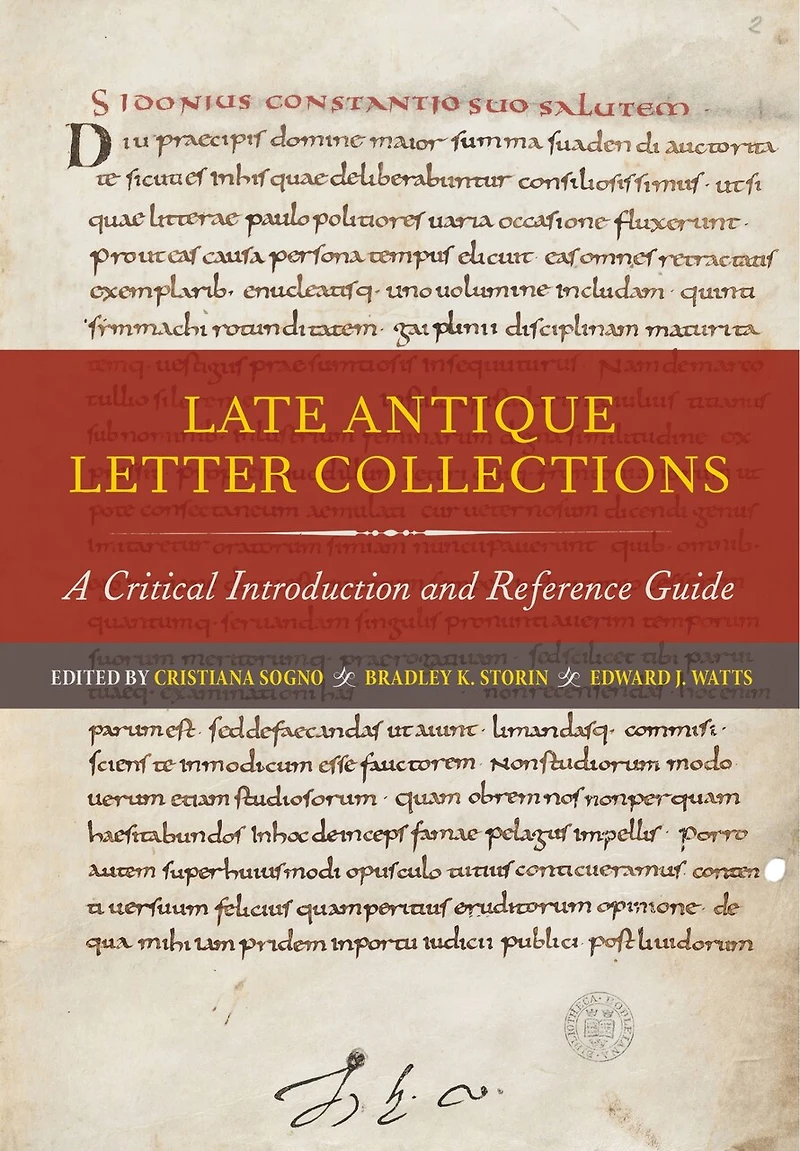
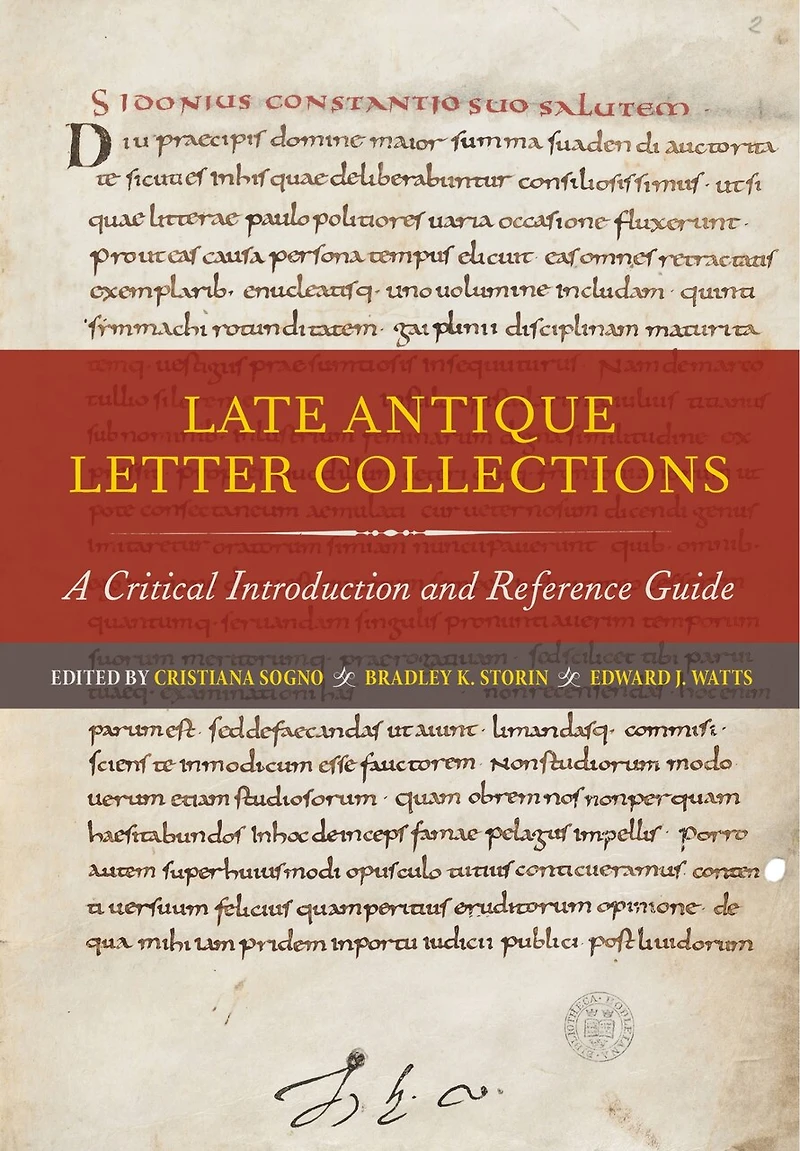
Late Antique Letter Collections: A Critical Introduction And Reference Guide in Grande Prairie, AB
Current price: $191.54
Coles
Late Antique Letter Collections: A Critical Introduction And Reference Guide in Grande Prairie, AB
Current price: $191.54
Loading Inventory...
Size: Hardcover
*Product information and pricing may vary - to confirm current pricing, availability, shipping, and return information please contact Coles. In the event of a pricing discrepancy, the retailer's price will apply.
Bringing together an international team of historians, classicists, and scholars of religion, this volume provides the first comprehensive overview of the extant Greek and Latin letter collections of late antiquity (ca. 300–600 c.e.). Each chapter addresses a major collection of Greek or Latin literary letters, introducing the social and textual histories of each collection and examining its assembly, publication, and transmission. Contributions also reveal how collections operated as discrete literary genres, with their own conventions and self-presentational agendas. This book will fundamentally change how people both read these texts and use letters to reconstruct the social history of the fourth, fifth, and sixth centuries.
Bringing together an international team of historians, classicists, and scholars of religion, this volume provides the first comprehensive overview of the extant Greek and Latin letter collections of late antiquity (ca. 300–600 c.e.). Each chapter addresses a major collection of Greek or Latin literary letters, introducing the social and textual histories of each collection and examining its assembly, publication, and transmission. Contributions also reveal how collections operated as discrete literary genres, with their own conventions and self-presentational agendas. This book will fundamentally change how people both read these texts and use letters to reconstruct the social history of the fourth, fifth, and sixth centuries.
You May Also Like











Find at Prairie Mall in Grande Prairie, AB
Visit at Prairie Mall in Grande Prairie, AB