


Gifting Made Simple
Give the Gift of ChoiceClick below to purchase a Prairie Mall eGift Card that can be used at participating retailers at Prairie Mall.Buy Gift CardHome
Language Attitudes, Collective Memory and (Trans)National Identity Construction Among the Armenian Diaspora in Bulgaria
Coles
Loading Inventory...
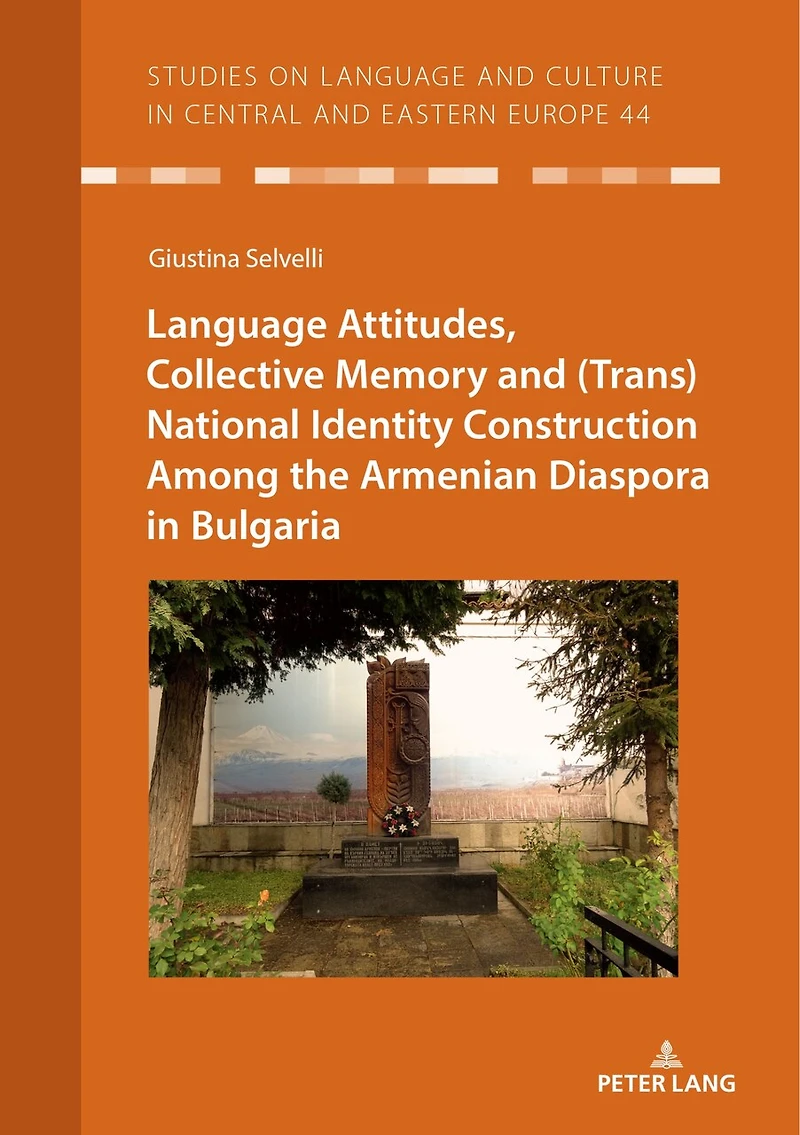
Language Attitudes, Collective Memory and (Trans)National Identity Construction Among the Armenian Diaspora in Bulgaria
By None
Current price: $60.84
Coles
Language Attitudes, Collective Memory and (Trans)National Identity Construction Among the Armenian Diaspora in Bulgaria
By None
Current price: $60.84
Loading Inventory...
Size: Paperback
*Product information and pricing may vary - to confirm current pricing, availability, shipping, and return information please contact Coles. In the event of a pricing discrepancy, the retailer's price will apply.
This book examines the processes of symbolic cultivation of identity promoted by Armenian cultural elites in the Bulgarian city of Plovdiv, focusing on the transmission of positive language ideologies and emotional elements related to collective memory. Drawing on extensive ethnographic fieldwork, interviews, and a range of primary materials, this work sheds light on the role of the Armenian alphabet in legitimizing collective visions of ‘distinctiveness’ and of the Armenian Genocide remembrance in shaping non-exclusive, transnational patterns of belonging. While contributing to the study of the complex dynamics and challenges of ‘Armenian survival’ across space and time, it situates the issue in the unique context of Bulgaria, analyzing, moreover, the impact of proximity to Turkey.
This book examines the processes of symbolic cultivation of identity promoted by Armenian cultural elites in the Bulgarian city of Plovdiv, focusing on the transmission of positive language ideologies and emotional elements related to collective memory. Drawing on extensive ethnographic fieldwork, interviews, and a range of primary materials, this work sheds light on the role of the Armenian alphabet in legitimizing collective visions of ‘distinctiveness’ and of the Armenian Genocide remembrance in shaping non-exclusive, transnational patterns of belonging. While contributing to the study of the complex dynamics and challenges of ‘Armenian survival’ across space and time, it situates the issue in the unique context of Bulgaria, analyzing, moreover, the impact of proximity to Turkey.
You May Also Like









More About Coles at Prairie Mall
11801 100 St #104, Grande Prairie, AB T8V 3Y2, Canada
Find Coles at Prairie Mall in Grande Prairie, AB
Visit Coles at Prairie Mall in Grande Prairie, AB