


Gifting Made Simple
Give the Gift of ChoiceClick below to purchase a Prairie Mall eGift Card that can be used at participating retailers at Prairie Mall.Buy Gift CardHome
Korean Wild Geese Families: Gender, Family, Social, and Legal Dynamics of Middle-Class Asian Transnational Families North America
Coles
Loading Inventory...
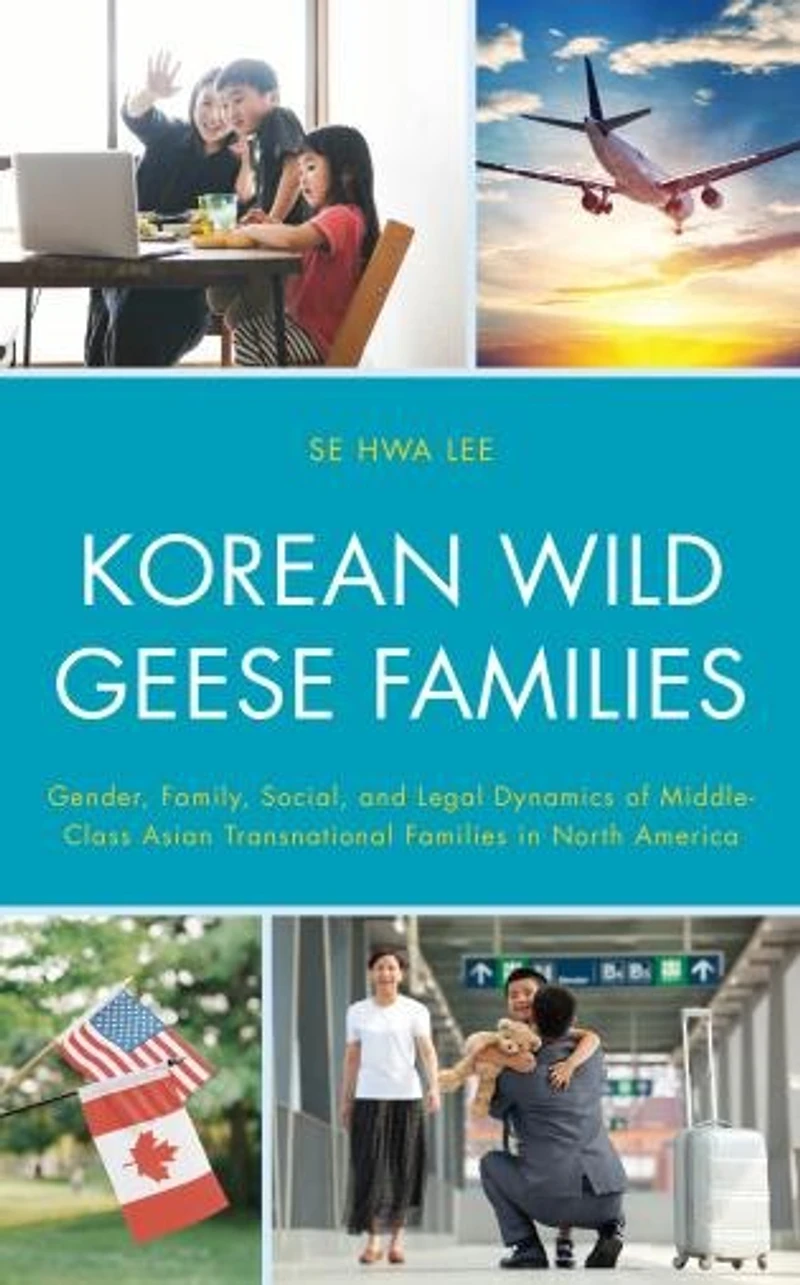
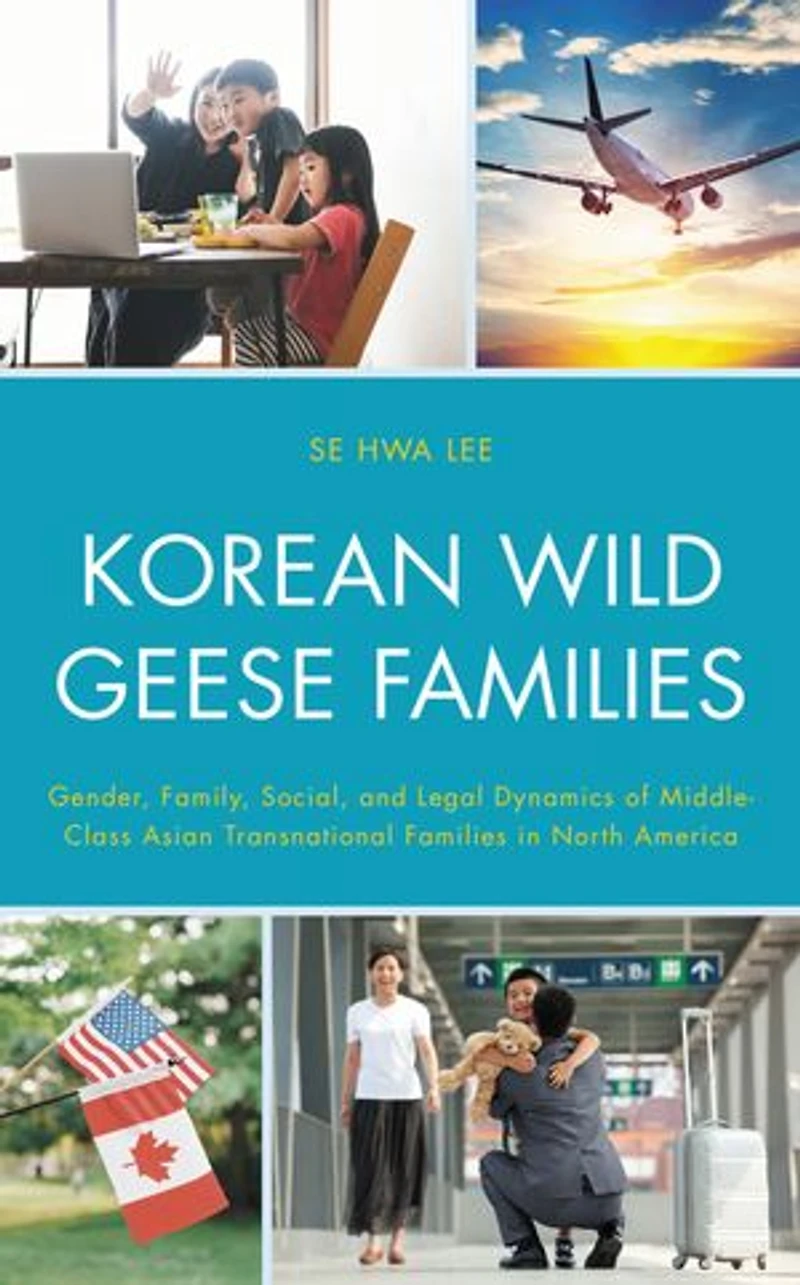
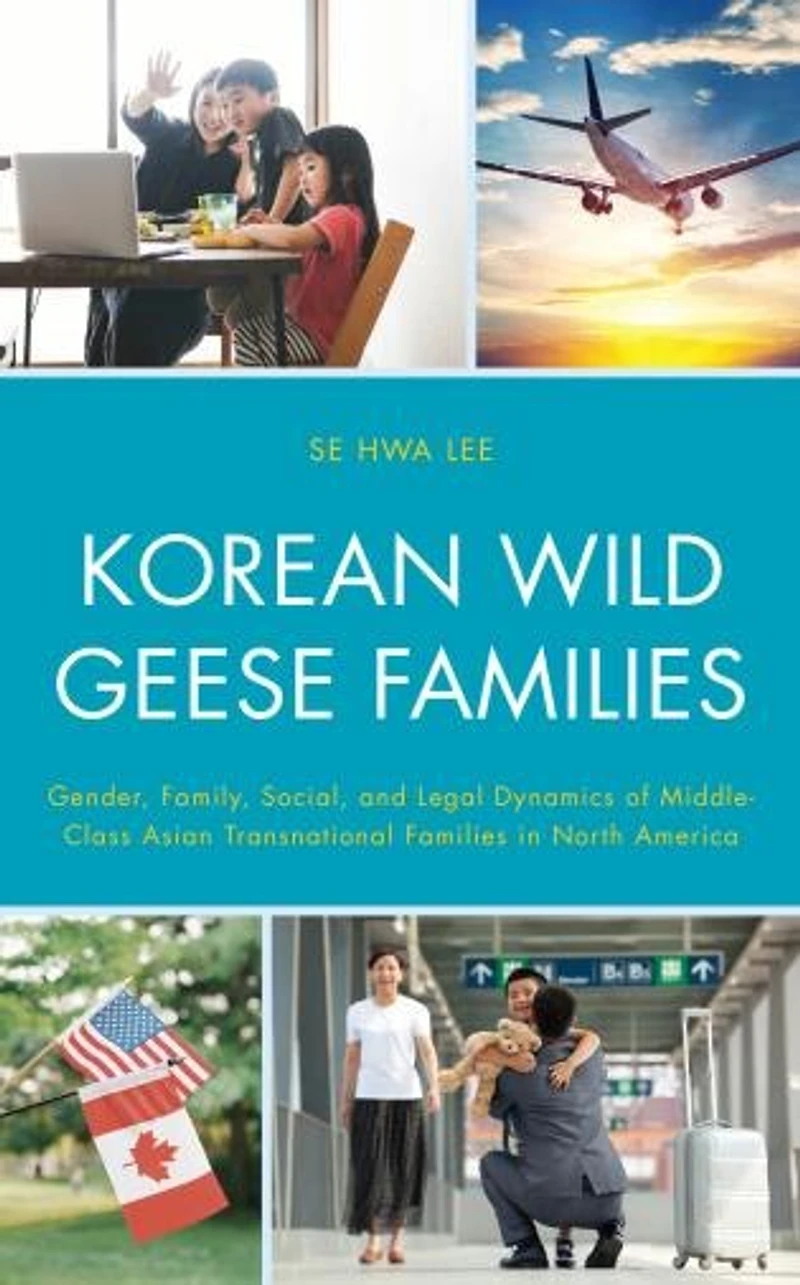
Korean Wild Geese Families: Gender, Family, Social, and Legal Dynamics of Middle-Class Asian Transnational Families North America in Grande Prairie, AB
Current price: $189.95
Coles
Korean Wild Geese Families: Gender, Family, Social, and Legal Dynamics of Middle-Class Asian Transnational Families North America in Grande Prairie, AB
Current price: $189.95
Loading Inventory...
Size: Hardcover
*Product information and pricing may vary - to confirm current pricing, availability, shipping, and return information please contact Coles. In the event of a pricing discrepancy, the retailer's price will apply.
In some cases, family separation is a carefully planned strategy for mobility and opportunity. Korean Wild Geese Families examines a distinctive form of transnational family life in which Korean mothers and children migrate abroad for education while fathers remain in Korea as primary breadwinners. Tracing these families across the stages of separation, adjustment, and reunification, Se Hwa Lee reveals how this arrangement reshapes gender roles, parenting practices, and family relationships. Drawing on interviews with mothers in the United States and Canada and fathers in Korea, the book offers a comparative perspective that highlights how immigration policies and legal frameworks shape family experiences differently across North America. The chapters explore key dimensions of this transnational arrangement, including shifts in women's empowerment and access to resources, evolving housework patterns, and transformations in spousal relationships. The book also examines how parenting is renegotiated across distance - through mothers' roles in education and community socialization abroad and fathers' efforts to maintain relationships from afar - before turning to the challenges of reintegration after reunification. Lee sheds light on how factors such as legal status, employment, further education, and engagement with co-ethnic communities influence levels of hardship, belonging, and empowerment among these families. By demonstrating that transnational family strategies can both challenge and reinforce existing inequalities, this book offers a nuanced understanding of how globalization reshapes intimate life - and why family, gender, and migration must be studied together to fully grasp their impact.
In some cases, family separation is a carefully planned strategy for mobility and opportunity. Korean Wild Geese Families examines a distinctive form of transnational family life in which Korean mothers and children migrate abroad for education while fathers remain in Korea as primary breadwinners. Tracing these families across the stages of separation, adjustment, and reunification, Se Hwa Lee reveals how this arrangement reshapes gender roles, parenting practices, and family relationships. Drawing on interviews with mothers in the United States and Canada and fathers in Korea, the book offers a comparative perspective that highlights how immigration policies and legal frameworks shape family experiences differently across North America. The chapters explore key dimensions of this transnational arrangement, including shifts in women's empowerment and access to resources, evolving housework patterns, and transformations in spousal relationships. The book also examines how parenting is renegotiated across distance - through mothers' roles in education and community socialization abroad and fathers' efforts to maintain relationships from afar - before turning to the challenges of reintegration after reunification. Lee sheds light on how factors such as legal status, employment, further education, and engagement with co-ethnic communities influence levels of hardship, belonging, and empowerment among these families. By demonstrating that transnational family strategies can both challenge and reinforce existing inequalities, this book offers a nuanced understanding of how globalization reshapes intimate life - and why family, gender, and migration must be studied together to fully grasp their impact.
You May Also Like















Find at Prairie Mall in Grande Prairie, AB
Visit at Prairie Mall in Grande Prairie, AB