


Gifting Made Simple
Give the Gift of ChoiceClick below to purchase a Prairie Mall eGift Card that can be used at participating retailers at Prairie Mall.Buy Gift CardHome
Kilimanjaro Porters and Guides: History Tourism on Africa's Highest Mountain
Coles
Loading Inventory...

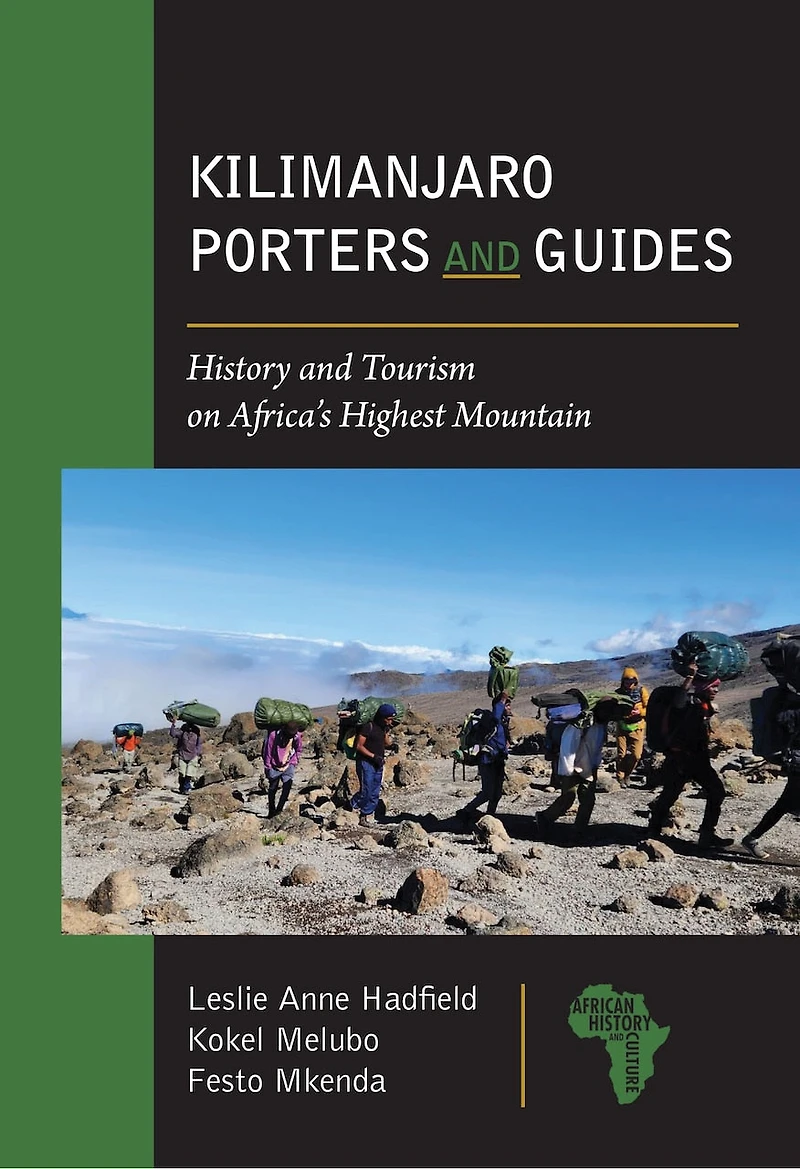
Kilimanjaro Porters and Guides: History Tourism on Africa's Highest Mountain
By None
Current price: $103.95
Coles
Kilimanjaro Porters and Guides: History Tourism on Africa's Highest Mountain
By None
Current price: $103.95
Loading Inventory...
Size: Hardcover
*Product information and pricing may vary - to confirm current pricing, availability, shipping, and return information please contact Coles. In the event of a pricing discrepancy, the retailer's price will apply.
Mt. Kilimanjaro, Africa’s tallest mountain, draws tens of thousands of tourists annually. Many attempt to climb its nineteen thousand feet snow-covered peak, an arduous trek that can span several days. Like the climbers who scale Everest, they are aided by local porters, cooks, and guides. But unlike Everest’s Sherpas, who have been extensively documented and profiled, the Chagga people of the Kilimanjaro mountain crews remain nearly anonymous. The Chagga people, who were the first settlers near Kilimanjaro, have been an essential part of the climbing industry that has developed since the colonial period. Kilimanjaro Porters and Guides reveals the history of these porters, cooks, and guides. The book takes us from early Chagga settlement, through European colonialism and African independence, to today. It argues that while the Kilimanjaro climbing industry developed in a colonial context, local Tanzanian actors have played an integral role in determining access to and understanding of the mountain. They also have been central to climbers’ successes, mountain crew culture, and the evolution of key industry features—even as they have struggled in the postcolonial period.
Mt. Kilimanjaro, Africa’s tallest mountain, draws tens of thousands of tourists annually. Many attempt to climb its nineteen thousand feet snow-covered peak, an arduous trek that can span several days. Like the climbers who scale Everest, they are aided by local porters, cooks, and guides. But unlike Everest’s Sherpas, who have been extensively documented and profiled, the Chagga people of the Kilimanjaro mountain crews remain nearly anonymous. The Chagga people, who were the first settlers near Kilimanjaro, have been an essential part of the climbing industry that has developed since the colonial period. Kilimanjaro Porters and Guides reveals the history of these porters, cooks, and guides. The book takes us from early Chagga settlement, through European colonialism and African independence, to today. It argues that while the Kilimanjaro climbing industry developed in a colonial context, local Tanzanian actors have played an integral role in determining access to and understanding of the mountain. They also have been central to climbers’ successes, mountain crew culture, and the evolution of key industry features—even as they have struggled in the postcolonial period.
You May Also Like















More About Coles at Prairie Mall
11801 100 St #104, Grande Prairie, AB T8V 3Y2, Canada
Find Coles at Prairie Mall in Grande Prairie, AB
Visit Coles at Prairie Mall in Grande Prairie, AB