


Gifting Made Simple
Give the Gift of ChoiceClick below to purchase a Prairie Mall eGift Card that can be used at participating retailers at Prairie Mall.Buy Gift CardHome
Juki Girls, Good Girls: Gender and Cultural Politics Sri Lanka's Global Garment Industry
Coles
Loading Inventory...
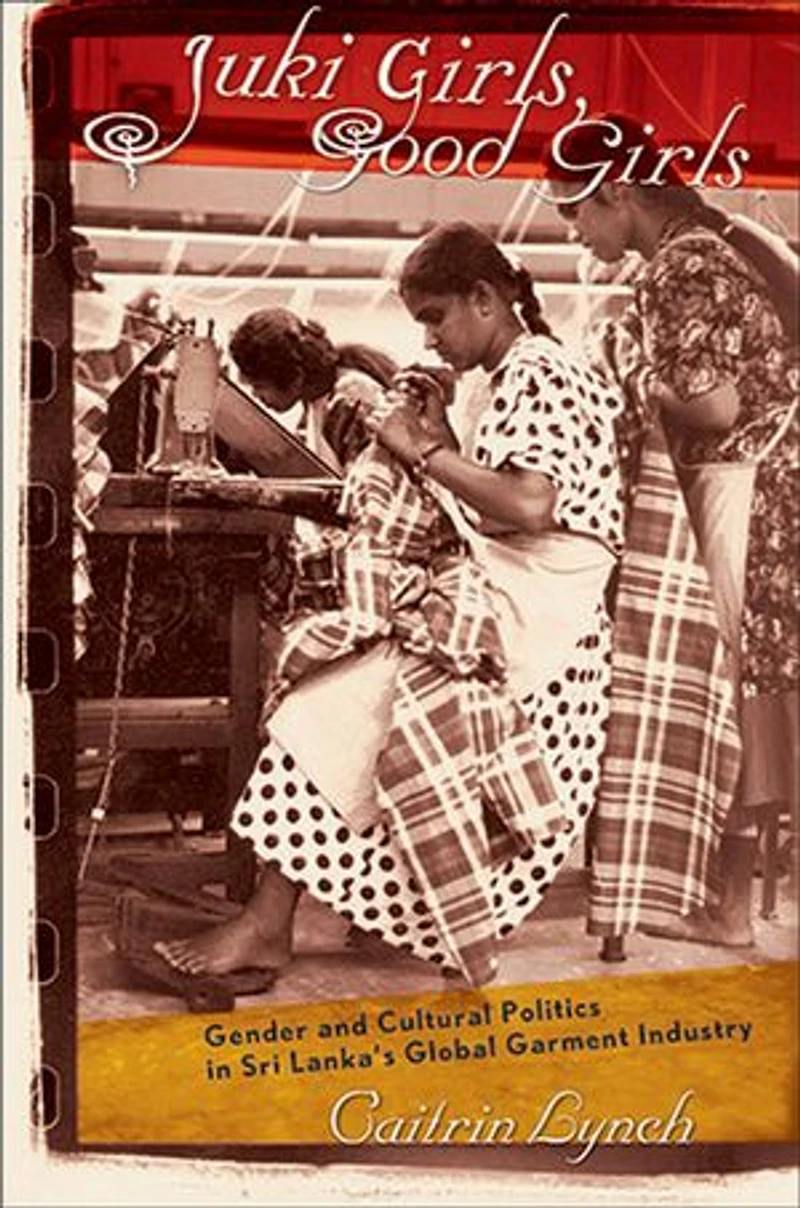
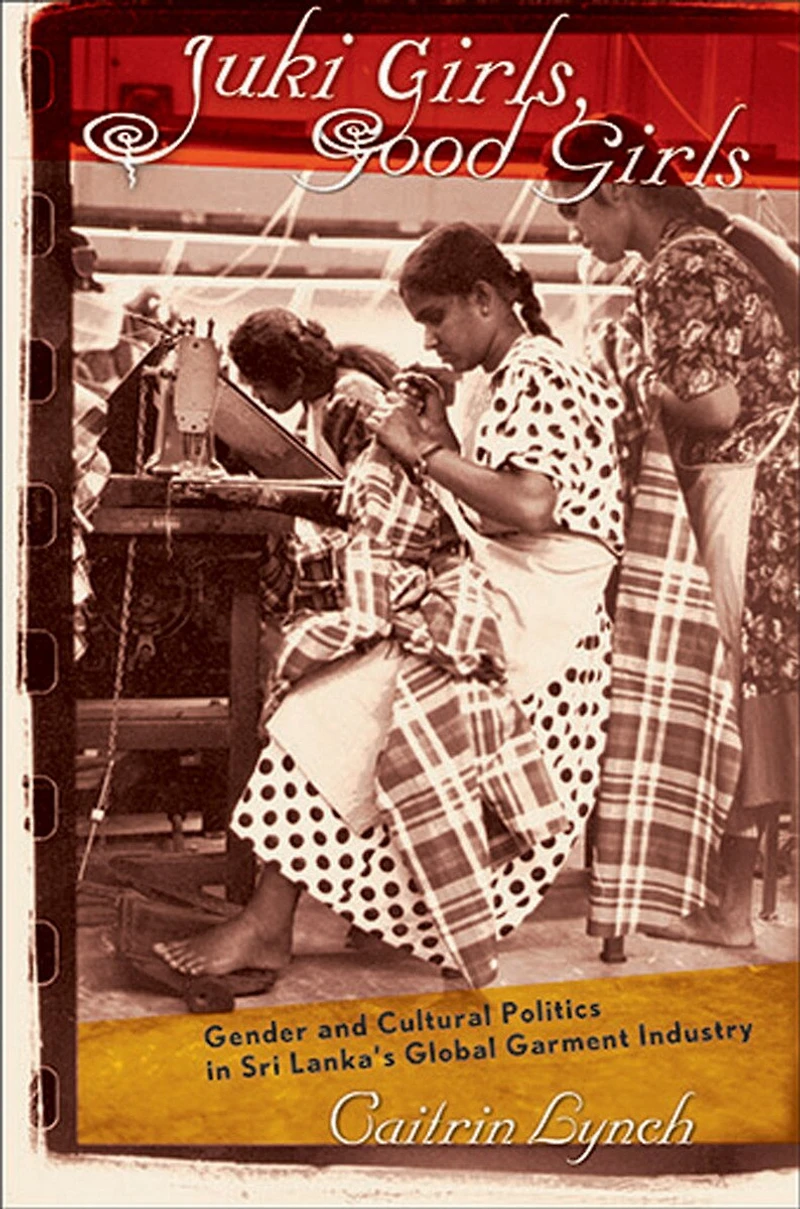
Juki Girls, Good Girls: Gender and Cultural Politics Sri Lanka's Global Garment Industry in Grande Prairie, AB
Current price: $27.99
Original price: $34.99
Coles
Juki Girls, Good Girls: Gender and Cultural Politics Sri Lanka's Global Garment Industry in Grande Prairie, AB
Current price: $27.99
Original price: $34.99
Loading Inventory...
Size: Kobo eBook
*Product information and pricing may vary - to confirm current pricing, availability, shipping, and return information please contact Coles. In the event of a pricing discrepancy, the retailer's price will apply.
When a government program brought garment factories to rural Sri Lanka, women workers found themselves caught between the pressures of a globalizing economy and societal expectations that villages are sanctuaries of tradition. These women learned quickly to resist the characterization of "Juki girls"—female garment workers already established in the urban sector—as vulgar and deracinated, instead asserting that they were "good girls" who could embody the nation's highest ideals of femininity. Caitrin Lynch shows how contemporary Sri Lankan women navigate a complex web of political, cultural, and socioeconomic forces. Drawing on extensive ethnographic research conducted inside export-oriented garment factories and a close examination of national policies intended to ease the way for globalization, Lynch details precisely how gender, nationalism, and globalization influence everyday life in Sri Lanka. This book includes autobiographical essays by garment workers about their efforts to attain the benefits of being seen as "good" while simultaneously expanding the definition of what sort of behavior constitutes appropriate conduct. These village garment workers struggled to reconcile the role thrust upon them as symbols of national progress with the negative public perception of factory workers. Lynch provides the context needed to appreciate the paradoxes that globalization creates while painting a sympathetic portrait of the individuals whose life stories appear in this book.
When a government program brought garment factories to rural Sri Lanka, women workers found themselves caught between the pressures of a globalizing economy and societal expectations that villages are sanctuaries of tradition. These women learned quickly to resist the characterization of "Juki girls"—female garment workers already established in the urban sector—as vulgar and deracinated, instead asserting that they were "good girls" who could embody the nation's highest ideals of femininity. Caitrin Lynch shows how contemporary Sri Lankan women navigate a complex web of political, cultural, and socioeconomic forces. Drawing on extensive ethnographic research conducted inside export-oriented garment factories and a close examination of national policies intended to ease the way for globalization, Lynch details precisely how gender, nationalism, and globalization influence everyday life in Sri Lanka. This book includes autobiographical essays by garment workers about their efforts to attain the benefits of being seen as "good" while simultaneously expanding the definition of what sort of behavior constitutes appropriate conduct. These village garment workers struggled to reconcile the role thrust upon them as symbols of national progress with the negative public perception of factory workers. Lynch provides the context needed to appreciate the paradoxes that globalization creates while painting a sympathetic portrait of the individuals whose life stories appear in this book.
You May Also Like
















Find at Prairie Mall in Grande Prairie, AB
Visit at Prairie Mall in Grande Prairie, AB