


Gifting Made Simple
Give the Gift of ChoiceClick below to purchase a Prairie Mall eGift Card that can be used at participating retailers at Prairie Mall.Buy Gift CardHome
Judaism and AI: Dignity and Moral Responsibility
Coles
Loading Inventory...
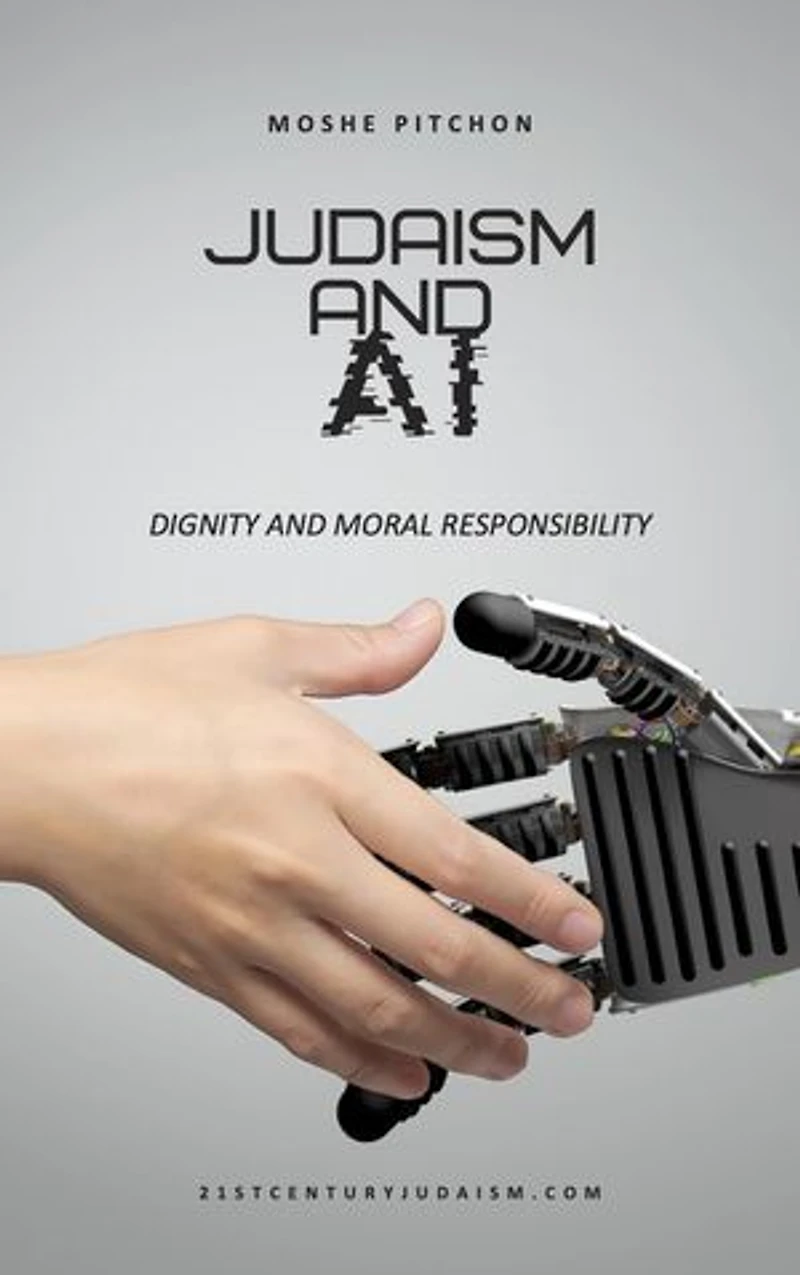
Judaism and AI: Dignity and Moral Responsibility in Grande Prairie, AB
Current price: $38.39
Original price: $47.99
Coles
Judaism and AI: Dignity and Moral Responsibility in Grande Prairie, AB
Current price: $38.39
Original price: $47.99
Loading Inventory...
Size: Kobo eBook
*Product information and pricing may vary - to confirm current pricing, availability, shipping, and return information please contact Coles. In the event of a pricing discrepancy, the retailer's price will apply.
Artificial intelligence is commonly treated as a problem of regulation, safety, or alignment. Judaism and Artificial Intelligence argues that this framing misses the deeper issue. Al is not only a technological disruption-it is a moral one.
Moshe Pitchon shows how Al reshapes the conditions under which judgment and responsibility arise. By accelerating decisio1Hnaking, automating recommendation, and dispersing agency across systems that cannot answer for their actions, Al determines the human capacity to interrupt action and take responsibility.
Drawing on Jewish moral thought-not as theology but as a civilizational account of obligation, time, and answerability-the book explains why regulation is necessary yet insufficient. Law governs tools; responsibility governs persons.
Clear, original and philosophically grounded, this book speaks to readers in ethics, technology, philosophy, religion studies, and public policy who are concerned with the future of moral agency in a world shaped by intelligent systems.
Artificial intelligence is commonly treated as a problem of regulation, safety, or alignment. Judaism and Artificial Intelligence argues that this framing misses the deeper issue. Al is not only a technological disruption-it is a moral one.
Moshe Pitchon shows how Al reshapes the conditions under which judgment and responsibility arise. By accelerating decisio1Hnaking, automating recommendation, and dispersing agency across systems that cannot answer for their actions, Al determines the human capacity to interrupt action and take responsibility.
Drawing on Jewish moral thought-not as theology but as a civilizational account of obligation, time, and answerability-the book explains why regulation is necessary yet insufficient. Law governs tools; responsibility governs persons.
Clear, original and philosophically grounded, this book speaks to readers in ethics, technology, philosophy, religion studies, and public policy who are concerned with the future of moral agency in a world shaped by intelligent systems.
















Find at Prairie Mall in Grande Prairie, AB
Visit at Prairie Mall in Grande Prairie, AB