


Gifting Made Simple
Give the Gift of ChoiceClick below to purchase a Prairie Mall eGift Card that can be used at participating retailers at Prairie Mall.Buy Gift CardHome
Joseph Conrad and Postcritique: Politics of Hope, Politics of Fear
Coles
Loading Inventory...
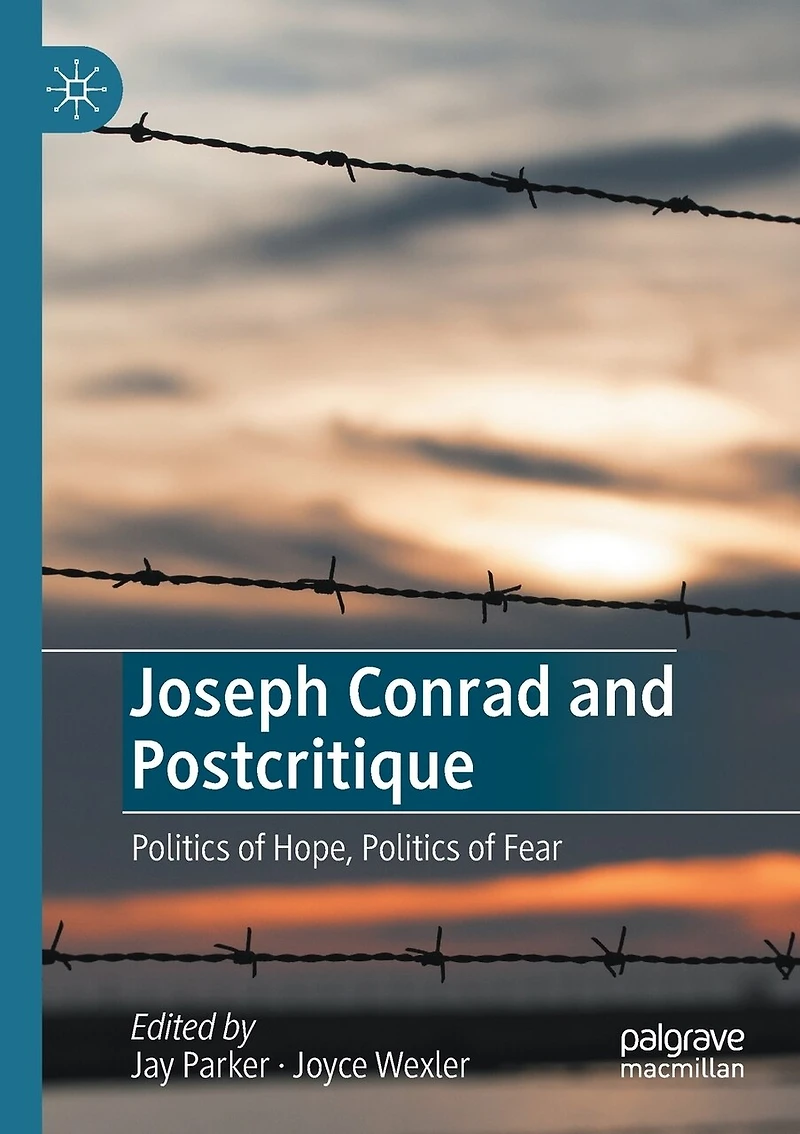
Joseph Conrad and Postcritique: Politics of Hope, Politics of Fear in Grande Prairie, AB
Current price: $145.95
Coles
Joseph Conrad and Postcritique: Politics of Hope, Politics of Fear in Grande Prairie, AB
Current price: $145.95
Loading Inventory...
Size: Paperback
*Product information and pricing may vary - to confirm current pricing, availability, shipping, and return information please contact Coles. In the event of a pricing discrepancy, the retailer's price will apply.
This book takes a postcritical perspective on Joseph Conrad's central texts, including Heart of Darkness , The Secret Agent , Under Western Eyes , and Lord Jim . Whereas critique is a form of reading that prioritizes suspicion, unmasking, and demystifying, postcritique ascribes positive value to the knowledge, affect, ethics, and politics that emerge from literature. The essays in this collection recognize the dark elements in Conrad's fiction-deceit, vanity, avarice, lust, cynicism, and cruelty-yet they perceive hopefulness as well. Conrad's skepticism unveils the dark heart of politics, and his critical heritage can feed our fear that humanity is incapable of improving. This Conrad is a well-known figure, but there is another, neglected Conrad that this book aims to bring to light, one who delves into the politics of hope as well as the politics of fear. Chapters 1 and 2 are available open access under a Creative Commons Attribution 4.0 International License via link.springer.com
This book takes a postcritical perspective on Joseph Conrad's central texts, including Heart of Darkness , The Secret Agent , Under Western Eyes , and Lord Jim . Whereas critique is a form of reading that prioritizes suspicion, unmasking, and demystifying, postcritique ascribes positive value to the knowledge, affect, ethics, and politics that emerge from literature. The essays in this collection recognize the dark elements in Conrad's fiction-deceit, vanity, avarice, lust, cynicism, and cruelty-yet they perceive hopefulness as well. Conrad's skepticism unveils the dark heart of politics, and his critical heritage can feed our fear that humanity is incapable of improving. This Conrad is a well-known figure, but there is another, neglected Conrad that this book aims to bring to light, one who delves into the politics of hope as well as the politics of fear. Chapters 1 and 2 are available open access under a Creative Commons Attribution 4.0 International License via link.springer.com
You May Also Like








Find at Prairie Mall in Grande Prairie, AB
Visit at Prairie Mall in Grande Prairie, AB