


Gifting Made Simple
Give the Gift of ChoiceClick below to purchase a Prairie Mall eGift Card that can be used at participating retailers at Prairie Mall.Buy Gift CardHome
John Brown's Body: Slavery, Violence, And The Culture Of War
Coles
Loading Inventory...
John Brown's Body: Slavery, Violence, And The Culture Of War
By None
Current price: $22.39
Original price: $27.99
Coles
John Brown's Body: Slavery, Violence, And The Culture Of War
By None
Current price: $22.39
Original price: $27.99
Loading Inventory...
Size: Kobo eBook
*Product information and pricing may vary - to confirm current pricing, availability, shipping, and return information please contact Coles. In the event of a pricing discrepancy, the retailer's price will apply.
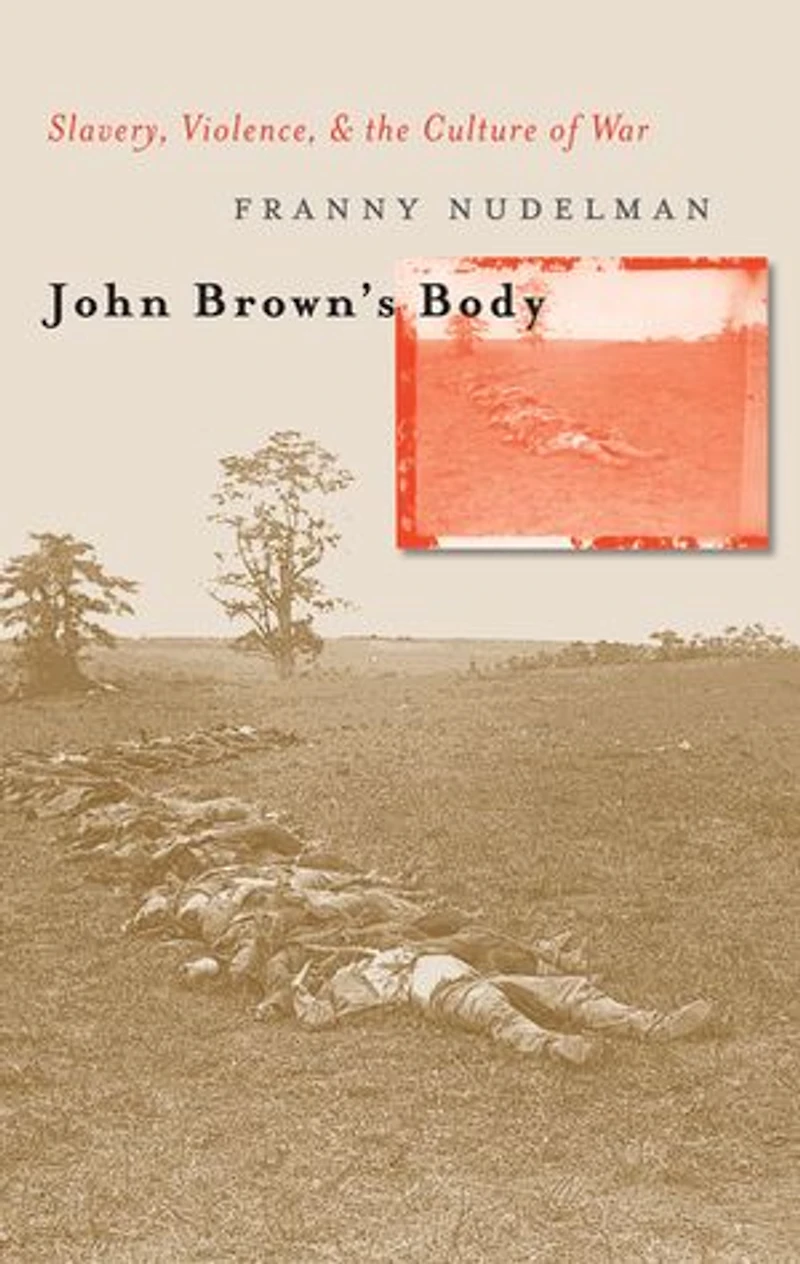
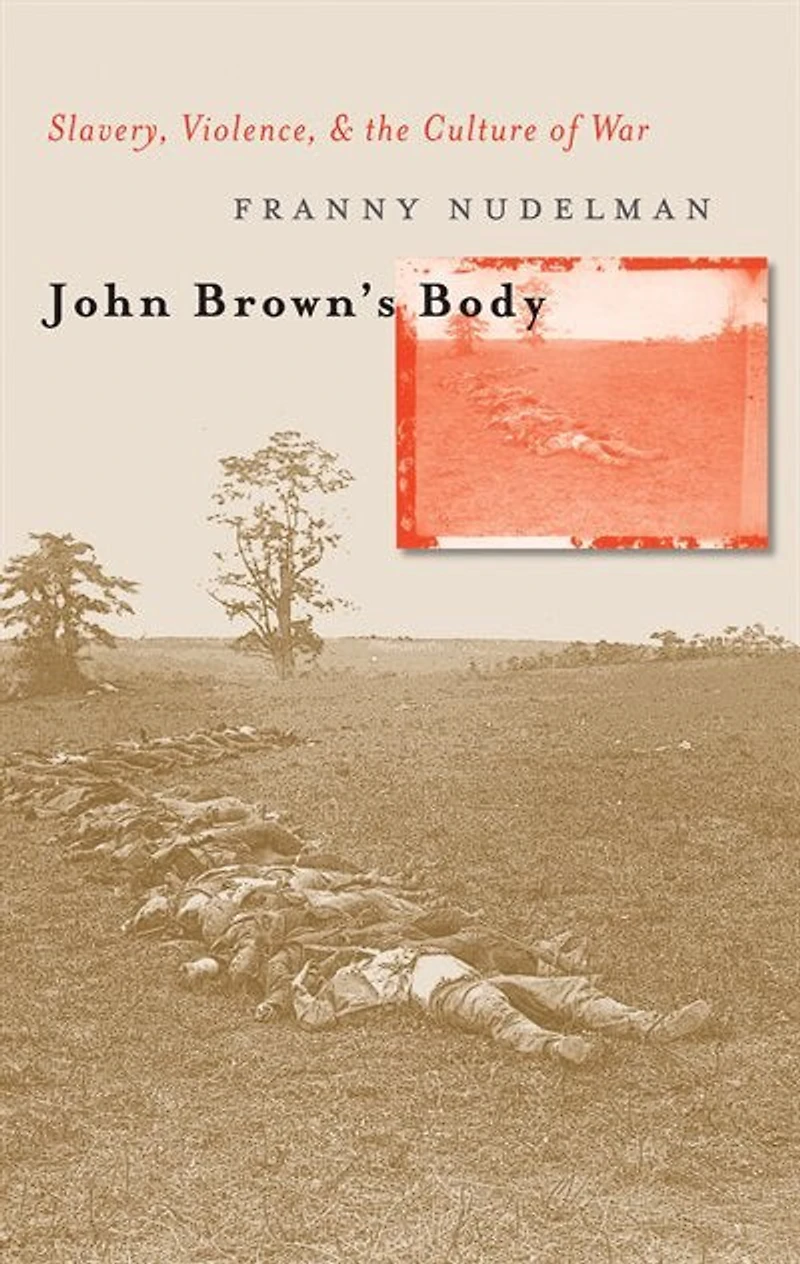
Singing ?John Brown?s Body? as they marched to war, Union soldiers sought to steel themselves in the face of impending death. As the bodies of these soldiers accumulated in the wake of battle, writers, artists, and politicians extolled their deaths as a means to national unity and rebirth. Many scholars have followed suit, and the Civil War is often remembered as an inaugural moment in the development of national identity.
Revisiting the culture of the Civil War, Franny Nudelman analyzes the idealization of mass death and explores alternative ways of depicting the violence of war. Considering martyred soldiers in relation to suffering slaves, she argues that responses to wartime death cannot be fully understood without attention to the brutality directed against African Americans during the antebellum era.
Throughout, Nudelman focuses not only on representations of the dead but also on practical methods for handling, studying, and commemorating corpses. She narrates heated conflicts over the political significance of the dead: whether in the anatomy classroom or the Army Medical Museum, at the military scaffold or the national cemetery, the corpse was prized as a source of authority. Integrating the study of death, oppression, and war, John Brown?s Body makes an important contribution to a growing body of scholarship that meditates on the relationship between violence and culture.
Singing ?John Brown?s Body? as they marched to war, Union soldiers sought to steel themselves in the face of impending death. As the bodies of these soldiers accumulated in the wake of battle, writers, artists, and politicians extolled their deaths as a means to national unity and rebirth. Many scholars have followed suit, and the Civil War is often remembered as an inaugural moment in the development of national identity.
Revisiting the culture of the Civil War, Franny Nudelman analyzes the idealization of mass death and explores alternative ways of depicting the violence of war. Considering martyred soldiers in relation to suffering slaves, she argues that responses to wartime death cannot be fully understood without attention to the brutality directed against African Americans during the antebellum era.
Throughout, Nudelman focuses not only on representations of the dead but also on practical methods for handling, studying, and commemorating corpses. She narrates heated conflicts over the political significance of the dead: whether in the anatomy classroom or the Army Medical Museum, at the military scaffold or the national cemetery, the corpse was prized as a source of authority. Integrating the study of death, oppression, and war, John Brown?s Body makes an important contribution to a growing body of scholarship that meditates on the relationship between violence and culture.
You May Also Like














More About Coles at Prairie Mall
11801 100 St #104, Grande Prairie, AB T8V 3Y2, Canada
Find Coles at Prairie Mall in Grande Prairie, AB
Visit Coles at Prairie Mall in Grande Prairie, AB