


Gifting Made Simple
Give the Gift of ChoiceClick below to purchase a Prairie Mall eGift Card that can be used at participating retailers at Prairie Mall.Buy Gift CardHome
Jesus and the Empire of God: Royal Language and Imperial Ideology in the Gospel of Mark
Coles
Loading Inventory...
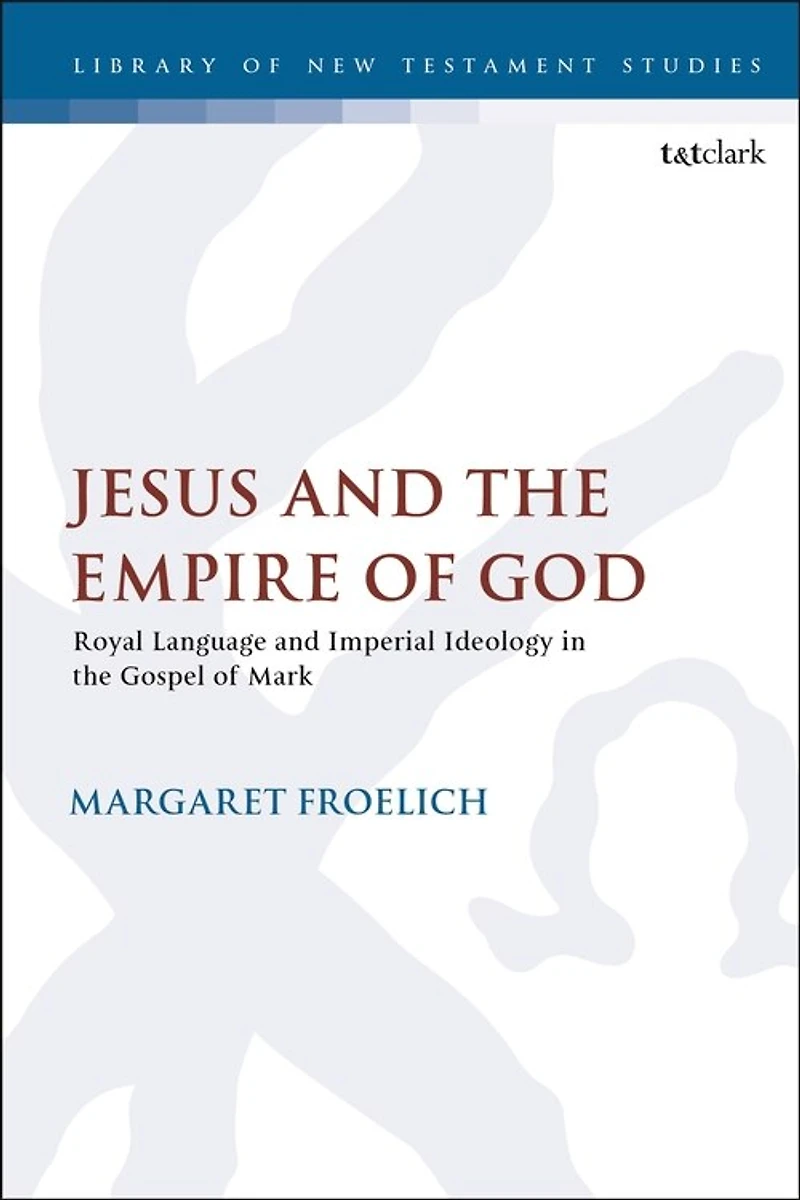
Jesus and the Empire of God: Royal Language and Imperial Ideology in the Gospel of Mark in Grande Prairie, AB
Current price: $189.95
Coles
Jesus and the Empire of God: Royal Language and Imperial Ideology in the Gospel of Mark in Grande Prairie, AB
Current price: $189.95
Loading Inventory...
Size: Hardcover
*Product information and pricing may vary - to confirm current pricing, availability, shipping, and return information please contact Coles. In the event of a pricing discrepancy, the retailer's price will apply.
Margaret Froelich examines the Gospel of Mark using political and empire-critical methodologies, following postcolonial thinkers in perceiving a far more ambivalent message than previous pacifistic interpretations of the text. She argues that Mark does not represent an entirely new way of thinking about empire or cosmic structures, but rather exhibits concepts and structures with which the author and his audience are already familiar in order to promote the Kingdom of God as a better version of the encroaching Roman Empire. Froelich consequently understands Mark as a response to the physical, ideological, and cultural displacement of the first Roman/Judean War. By looking to Greek, Roman, and Jewish texts to determine how first-century authors thought of conquest and expansion, Froelich situates the Gospel directly in a historical and socio-political context, rather than treating that context as a mere backdrop; concluding that the Gospel portrays the Kingdom of God as a conquering empire with Jesus as its victorious general and client king.
Margaret Froelich examines the Gospel of Mark using political and empire-critical methodologies, following postcolonial thinkers in perceiving a far more ambivalent message than previous pacifistic interpretations of the text. She argues that Mark does not represent an entirely new way of thinking about empire or cosmic structures, but rather exhibits concepts and structures with which the author and his audience are already familiar in order to promote the Kingdom of God as a better version of the encroaching Roman Empire. Froelich consequently understands Mark as a response to the physical, ideological, and cultural displacement of the first Roman/Judean War. By looking to Greek, Roman, and Jewish texts to determine how first-century authors thought of conquest and expansion, Froelich situates the Gospel directly in a historical and socio-political context, rather than treating that context as a mere backdrop; concluding that the Gospel portrays the Kingdom of God as a conquering empire with Jesus as its victorious general and client king.
You May Also Like















Find at Prairie Mall in Grande Prairie, AB
Visit at Prairie Mall in Grande Prairie, AB