


Gifting Made Simple
Give the Gift of ChoiceClick below to purchase a Prairie Mall eGift Card that can be used at participating retailers at Prairie Mall.Buy Gift CardHome
Jazz and Justice: Racism the Political Economy of Music
Coles
Loading Inventory...
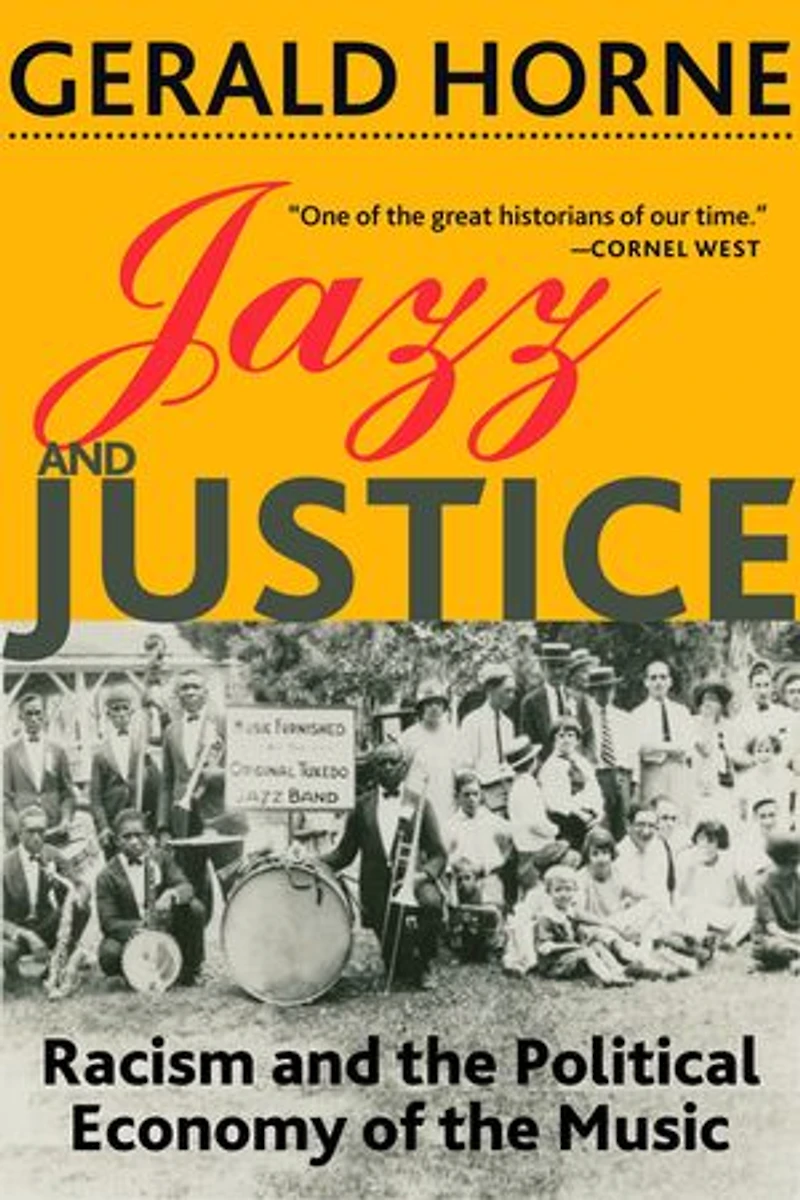
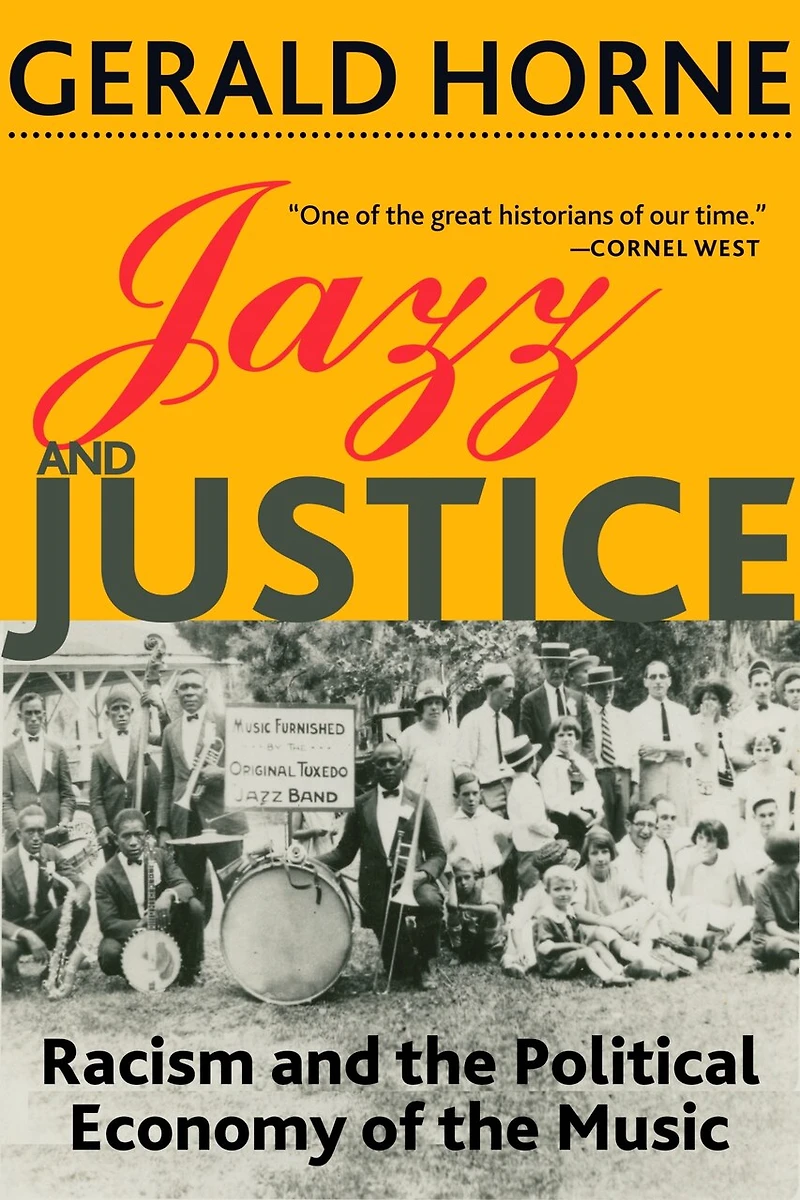
Jazz and Justice: Racism the Political Economy of Music in Grande Prairie, AB
Current price: $24.99
Original price: $31.22
Coles
Jazz and Justice: Racism the Political Economy of Music in Grande Prairie, AB
Current price: $24.99
Original price: $31.22
Loading Inventory...
Size: Kobo eBook
*Product information and pricing may vary - to confirm current pricing, availability, shipping, and return information please contact Coles. In the event of a pricing discrepancy, the retailer's price will apply.
A galvanizing history of how jazz and jazz musicians flourished despite rampant cultural exploitation
The music we call ?jazz? arose in late nineteenth century North America?most likely in New Orleans?based on the musical traditions of Africans, newly freed from slavery. Grounded in the music known as the ?blues,? which expressed the pain, sufferings, and hopes of Black folk then pulverized by Jim Crow, this new music entered the world via the instruments that had been abandoned by departing military bands after the Civil War. Jazz and Justice examines the economic, social, and political forces that shaped this music into a phenomenal US?and Black American?contribution to global arts and culture.
Horne assembles a galvanic story depicting what may have been the era?s most virulent economic?and racist?exploitation, as jazz musicians battled organized crime, the Ku Klux Klan, and other variously malignant forces dominating the nightclub scene where jazz became known. Horne pays particular attention to women artists, such as pianist Mary Lou Williams and trombonist Melba Liston, and limns the contributions of musicians with Native American roots. This is the story of a beautiful lotus, growing from the filth of the crassest form of human immiseration.
A galvanizing history of how jazz and jazz musicians flourished despite rampant cultural exploitation
The music we call ?jazz? arose in late nineteenth century North America?most likely in New Orleans?based on the musical traditions of Africans, newly freed from slavery. Grounded in the music known as the ?blues,? which expressed the pain, sufferings, and hopes of Black folk then pulverized by Jim Crow, this new music entered the world via the instruments that had been abandoned by departing military bands after the Civil War. Jazz and Justice examines the economic, social, and political forces that shaped this music into a phenomenal US?and Black American?contribution to global arts and culture.
Horne assembles a galvanic story depicting what may have been the era?s most virulent economic?and racist?exploitation, as jazz musicians battled organized crime, the Ku Klux Klan, and other variously malignant forces dominating the nightclub scene where jazz became known. Horne pays particular attention to women artists, such as pianist Mary Lou Williams and trombonist Melba Liston, and limns the contributions of musicians with Native American roots. This is the story of a beautiful lotus, growing from the filth of the crassest form of human immiseration.
You May Also Like













Find at Prairie Mall in Grande Prairie, AB
Visit at Prairie Mall in Grande Prairie, AB