


Gifting Made Simple
Give the Gift of ChoiceClick below to purchase a Prairie Mall eGift Card that can be used at participating retailers at Prairie Mall.Buy Gift CardHome
Jāmī Regional Contexts: the Reception of ʿAbd al-Raḥmān Jāmī’s Works Islamicate World, ca. 9th/15th-14th/20th Century
Coles
Loading Inventory...

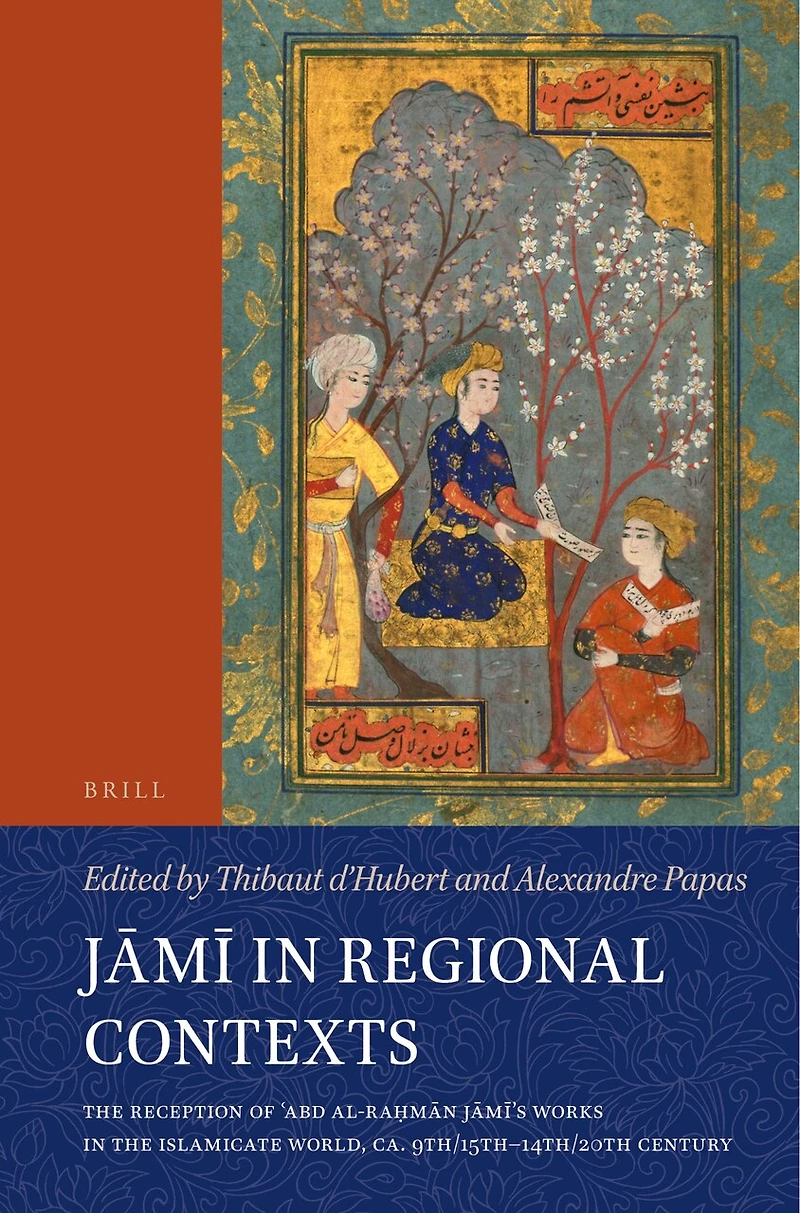
Jāmī Regional Contexts: the Reception of ʿAbd al-Raḥmān Jāmī’s Works Islamicate World, ca. 9th/15th-14th/20th Century in Grande Prairie, AB
Current price: $355.99
Coles
Jāmī Regional Contexts: the Reception of ʿAbd al-Raḥmān Jāmī’s Works Islamicate World, ca. 9th/15th-14th/20th Century in Grande Prairie, AB
Current price: $355.99
Loading Inventory...
Size: Hardcover
*Product information and pricing may vary - to confirm current pricing, availability, shipping, and return information please contact Coles. In the event of a pricing discrepancy, the retailer's price will apply.
Jāmī in Regional Contexts: The Reception of ʿAbd Al-Raḥmān Jāmī’s Works in the Islamicate World is the first attempt to present in a comprehensive manner how ʿAbd al-Raḥmān Jāmī (d. 898/1492), a most influential figure in the Persian-speaking world, reshaped the canons of Islamic mysticism, literature and poetry and how, in turn, this new canon prompted the formation of regional traditions. As a result, a renewed geography of intellectual practices emerges as well as questions surrounding authorship and authority in the making of vernacular cultures. Specialists of Persian, Arabic, Chinese, Georgian, Malay, Pashto, Sanskrit, Urdu, Turkish, and Bengali thus provide a unique connected account of the conception and reception of Jāmī’s works throughout the Eurasian continent and maritime Southeast Asia.
Jāmī in Regional Contexts: The Reception of ʿAbd Al-Raḥmān Jāmī’s Works in the Islamicate World is the first attempt to present in a comprehensive manner how ʿAbd al-Raḥmān Jāmī (d. 898/1492), a most influential figure in the Persian-speaking world, reshaped the canons of Islamic mysticism, literature and poetry and how, in turn, this new canon prompted the formation of regional traditions. As a result, a renewed geography of intellectual practices emerges as well as questions surrounding authorship and authority in the making of vernacular cultures. Specialists of Persian, Arabic, Chinese, Georgian, Malay, Pashto, Sanskrit, Urdu, Turkish, and Bengali thus provide a unique connected account of the conception and reception of Jāmī’s works throughout the Eurasian continent and maritime Southeast Asia.
You May Also Like










Find at Prairie Mall in Grande Prairie, AB
Visit at Prairie Mall in Grande Prairie, AB